Urinary Incontinence

What is Urinary Incontinence?

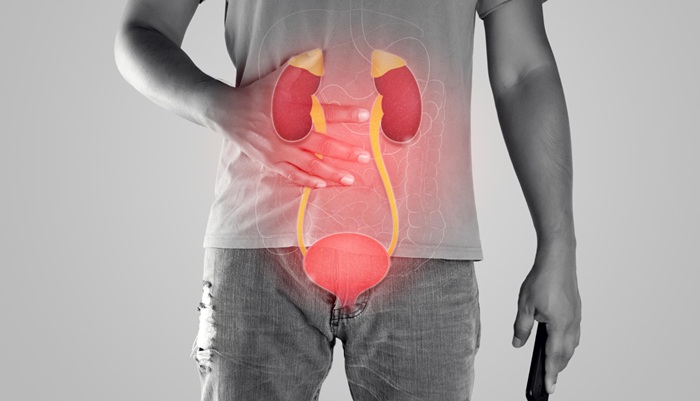
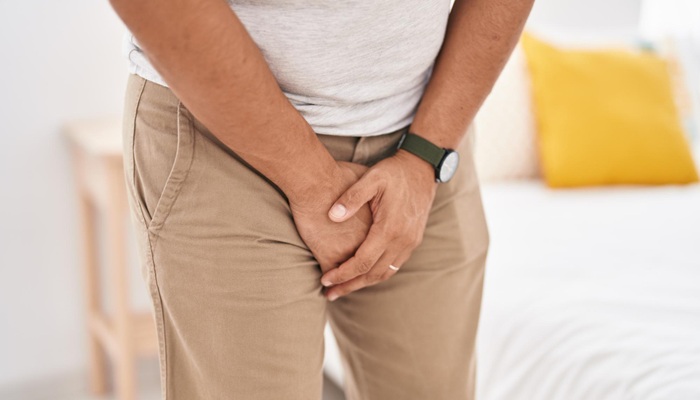
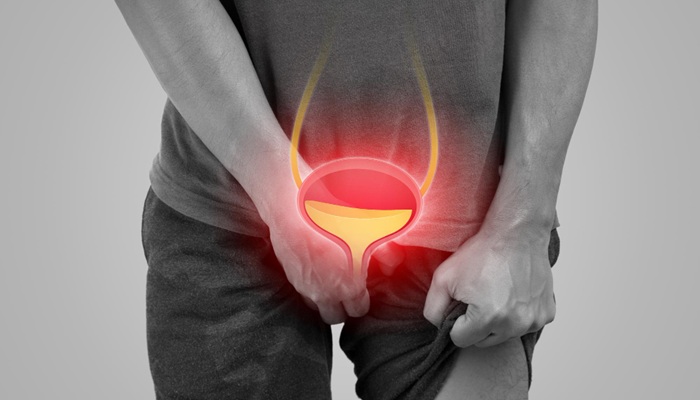
Urinary incontinence is a condition characterized by a loss of bladder control, causing frequent urination accidents. The severity of this condition varies, ranging from minor leaks when coughing or sneezing to sudden, intense urges to urinate that make it difficult to reach the toilet in time.

Symptoms of Urinary Incontinence

The main symptom of urinary incontinence is involuntary urine leakage. When and how this occurs depends on the type of incontinence:

  • Stress Incontinence: Urine leaks when pressure is applied to the bladder due to coughing, sneezing, laughing, exercising, or lifting heavy objects.
  • Urge Incontinence: A sudden, intense need to urinate is followed by involuntary urine leakage. This may lead to frequent urination, including at night.
  • Overflow Incontinence: Frequent dribbling of urine occurs because the bladder does not empty completely after urination.
  • Functional Incontinence: Physical or mental impairments prevent a person from reaching the toilet in time. For instance, severe arthritis may make it difficult to unbutton pants quickly enough.
  • Mixed Incontinence: This occurs when a person experiences more than one type of incontinence, commonly a combination of stress and urge incontinence.

Causes of Urinary Incontinence

The causes of urinary incontinence vary depending on the type. Here are some explanations:

  • Stress Incontinence: Usually caused by weakened or damaged muscles that prevent urination, such as the pelvic floor muscles and urethral sphincter.
  • Urge Incontinence: Often due to overactivity of the detrusor muscle, which controls the bladder.
  • Overflow Incontinence: Frequently triggered by a bladder blockage that prevents complete emptying.
  • Total Incontinence: Can be caused by congenital bladder issues, spinal cord injuries, or the formation of a small tunnel-like opening between the bladder and a nearby area (fistula).

Several factors may increase the risk of developing urinary incontinence, including:

  • Pregnancy and vaginal childbirth
  • Obesity (excess weight)
  • Family history of incontinence
  • Aging

Diagnosis of Urinary Incontinence

Several methods are used to diagnose urinary incontinence:

  • Bladder diary: Patients record their fluid intake, urination frequency, urine volume, and incidents of incontinence.
  • Physical examination: Doctors may check the vagina and assess pelvic floor muscle strength. For men, a rectal exam can help determine if the prostate gland is enlarged.
  • Urinalysis: This test detects signs of infection or abnormalities.
  • Blood test: Can be conducted to evaluate kidney function.
  • Postvoid residual (PVR) test: Measures the amount of urine left in the bladder after urination.
  • Pelvic ultrasound: Provides images to help detect any issues.
  • Stress test: The patient applies sudden pressure to the bladder while the doctor checks for urine leakage.
  • Urodynamic testing: Determines how much pressure the bladder and urethral sphincter can withstand.
  • Cystogram: An X-ray procedure that provides images of the bladder.
  • Cystoscopy: A thin tube with a lens is inserted into the urethra, allowing the doctor to identify any urinary tract abnormalities.

Treatment for Urinary Incontinence

Initially, doctors may recommend simple interventions to help relieve symptoms, such as:

  • Lifestyle Changes

Lifestyle modifications, such as weight loss and reducing caffeine and alcohol intake, can be advised for incontinence related to unhealthy habits.

  • Regular Exercise

Routine exercises, including pelvic floor and bladder training, can help reduce the risk of urinary leakage. Pelvic floor exercises strengthen the muscles, while bladder training teaches individuals to wait longer between the urge to urinate and actual urination.

  • Artificial Urinary Sphincter Implantation

If other methods fail to provide positive results, doctors may recommend an artificial urinary sphincter (AUS). This adjustable device helps restore natural urinary control by simulating the function of a normal sphincter, opening and closing the urethra at the patient’s discretion.

This device is primarily indicated for treating stress incontinence in men due to intrinsic sphincter deficiency, such as post-prostatectomy incontinence. The AUS is placed around the penis to close the urethra when not urinating, preventing leaks and accidental urination.

If you suffer from urinary incontinence and are interested in trying an artificial urinary sphincter, visit Mandaya Royal Hospital Puri for a consultation and installation. Our hospital also has a Urology Center equipped with modern and advanced technology to treat conditions like urinary incontinence.

Use our WhatsApp Chat feature, Book Appointment, or the Care Dokter app (available on Google Play and App Store) to facilitate visits, check queue numbers, and access complete information.


Mandaya Hospital Karawang
Realtime booking slot and instant confirmation

dr. Andika Afrianysah, Sp.U, Subsp.FFN (K), MARS

SPECIALTIES
urology, urology sub. neuro urologist
Mandaya Royal Hospital Puri
Realtime booking slot and instant confirmation
Mandaya Royal Hospital Puri
Realtime booking slot and instant confirmation
Mandaya Royal Hospital Puri
Realtime booking slot and instant confirmation
Mandaya Royal Hospital Puri
Realtime booking slot and instant confirmation
Mandaya Hospital Karawang
Realtime booking slot and instant confirmation
Mandaya Royal Hospital Puri
Realtime booking slot and instant confirmation
Mandaya Royal Hospital Puri
Realtime booking slot and instant confirmation
Mandaya Royal Hospital Puri
Realtime booking slot and instant confirmation

Articles

Sep 18, 2026

Overactive Bladder: Symptoms, Causes, and Treatment

Articles

Sep 18, 2026

Botox Injection for Overactive Bladder by dr. Andika at Mandaya Royal Hospital Puri

Articles

Sep 14, 2026

Urologist Recommendation for Prostate Laser Surgery in West Jakarta and Tangerang: dr. Andika

Articles

Sep 01, 2026

Recommended Pediatric Urology Hospital in Jakarta and Tangerang: Mandaya Royal Puri Hospital

Articles

Aug 13, 2026

Understanding Prostate Cancer Stages: From 1 to 4 and Treatment Options

Articles

Aug 11, 2026

Understanding Neurogenic Bladder: When Nerve Problems Make It Difficult to Control Urination

Articles

Aug 10, 2026

Urodynamic Testing: A Test to Find the Cause of Urinary Incontinence, Painful Urination, and Difficulty Emptying the Bladder

Articles

Aug 10, 2026

More Precise Kidney Cancer Surgery at Mandaya Hospital Puri: Tumors Can Be Removed Without Sacrificing Healthy Kidney Tissue

Articles

Aug 07, 2026

Bedwetting After a Stroke: Causes and the Doctor Who Can Help Treat It

Articles

Aug 07, 2026

Frequent Urination Due to Diabetes: Causes and the Doctor Who Can Treat It

Articles

Aug 07, 2026

Urinary Tract Infection (UTI) in Women: Causes, Symptoms, and the Doctor Who Can Treat It

Articles

Aug 03, 2026

Hypospadias (Urethral Opening Not Located at the Tip of the Penis) Treated by dr. Hendy Mirza, Sp.U(K) at Mandaya Royal Hospital Puri

Articles

Jul 08, 2026

Recommended Doctors for Urinary Problems in Jakarta and Tangerang

Articles

Jun 26, 2026

Kidney Function Down to 15%: Treatment Options You May Need

Articles

Jun 24, 2026

Advantages of the Zamenix Robot for Kidney Stone Treatment by dr. Maruto Sp.U from Mandaya Puri

Articles

Jun 22, 2026

Swollen Kidney on One Side Due to Untreated Kidney Stones: Learn the Treatment at Mandaya Royal Puri Hospital

Articles

Jun 22, 2026

Recommended Pediatric Urologist in Jakarta and Tangerang, dr. Hendy Mirza, Sp.U(K) at Mandaya Royal Puri Hospital

Articles

Jun 19, 2026

Cryptorchidism in Children: Recognize the Symptoms, Causes, and Treatment

Articles

Jun 19, 2026

Hydronephrosis in Children: Definition, Causes, Symptoms, and Treatment

Articles

May 25, 2026

Removal of a 3.3 cm Adrenal Tumor Using the da Vinci Xi Robot by dr. Hendy, Sp.U (K) at Mandaya Royal Hospital Puri

Articles

May 15, 2026

6×8 cm Kidney Tumor Removal Surgery with the da Vinci Xi Robot by Prof. dr. Chaidir Arif Mochtar, Sp.U(K), PhD at RS Mandaya Royal Puri

Articles

Apr 17, 2026

Kidney Donor Criteria Explained by Dr. dr. Maruhum Bonar Sp.PD-KGH, FINASIM at Mandaya Puri

Articles

Apr 16, 2026

4 Prostate Cancer Treatments at Mandaya Puri: From Robotic Surgery with Da Vinci Xi to Lutetium-177 Therapy

Articles

Apr 16, 2026

5 Kidney Cancer Treatments at Mandaya Puri: From Chemotherapy to Nephrectomy with the Da Vinci Xi Robot

Articles

Apr 16, 2026

Prostatectomy (Prostate Gland Removal): Purpose and Procedure

Articles

Apr 16, 2026

Understanding Nephrectomy (Kidney Removal): Purpose and Procedure

Articles

Apr 14, 2026

More Precise Prostate and Kidney Surgery with the Da Vinci Xi Robot at Mandaya

Articles

Apr 14, 2026

Mandaya Royal Hospital Puri Urology and Prostate Center with Robotic Technology

Articles

Apr 14, 2026

Prostate Cancer Screening with Robotics at Mandaya Royal Hospital Puri Urology and Prostate Center

Articles

Apr 14, 2026

Robotic-Based Prostate and Kidney Treatment Center at Mandaya Royal Hospital Puri

Articles

Apr 09, 2026

Robotic Nephrectomy with da Vinci Xi at Mandaya Royal Hospital Puri

Articles

Apr 09, 2026

Robotic Prostatectomy with da Vinci Xi at Mandaya Royal Hospital Puri

Articles

Apr 08, 2026

Bladder Stone Treatment Without Surgery at Mandaya Karawang Hospital by dr. Muhammad Baihaqy, Sp.U., FICS

Articles

Apr 08, 2026

Ureteroscopy for Kidney Stones Without Incision by dr. Baihaqy, Sp.U., FICS at Mandaya Karawang Hospital

Articles

Apr 01, 2026

Does a Kidney Transplant Donor Have to Be a Family Member?

Articles

Apr 01, 2026

Can You Live Healthily with One Kidney?

Articles

Mar 31, 2026

8 Signs of Kidney Stones and Their Treatment at Mandaya Royal Puri Hospital

Articles

Mar 30, 2026

Treating 65 cc Enlarged Prostate with Rezum Technology by dr. Maruto at Mandaya Puri Hospital

Articles

Mar 28, 2026

Experience and Story of the First Kidney Transplant Patient at Mandaya Royal Hospital Puri

Articles

Mar 10, 2026

RS Mandaya Royal Puri Successfully Performs Its First Kidney Transplant, Supported by Advanced Medical Technologies

Articles

Mar 10, 2026

The Medical Team Behind the Success of the First Kidney Transplant at RS Mandaya Royal Puri

Articles

Mar 10, 2026

The Story of a Patient Who Underwent the First Kidney Transplant at RS Mandaya Royal Puri

Articles

Mar 10, 2026

RS Mandaya Royal Puri Successfully Performs Its First Kidney Transplant

Articles

Mar 03, 2026

Kidney Disease: Which Specialist Should You See? Recommendations in West Jakarta and Tangerang

Articles

Feb 14, 2026

7 Easy Ways to Prevent Kidney Stones

Articles

Feb 14, 2026

Thulium Laser Kidney Stone Removal by dr. Maruto at RS Mandaya Puri

Articles

Feb 13, 2026

Cost of Kidney Stone Surgery with the Zamenix Robotic Arm at Mandaya Royal Puri Hospital

Articles

Feb 13, 2026

Is Laser Kidney Stone Surgery Dangerous? Discover the Zamenix Robotic Arm Technology at Mandaya Puri!

Articles

Feb 12, 2026

Are Kidney Stones Dangerous? Recognize the Possible Complications

Articles

Jan 21, 2026

Flexible Zamenix Robotic Arms Enable Incision-Free Kidney Stone Removal at Mandaya Royal Puri Hospital

Need Help? Chat with us!
Start a Conversation
Hi! Click one of our members below to chat on WhatsApp
We usually reply in a few minutes