


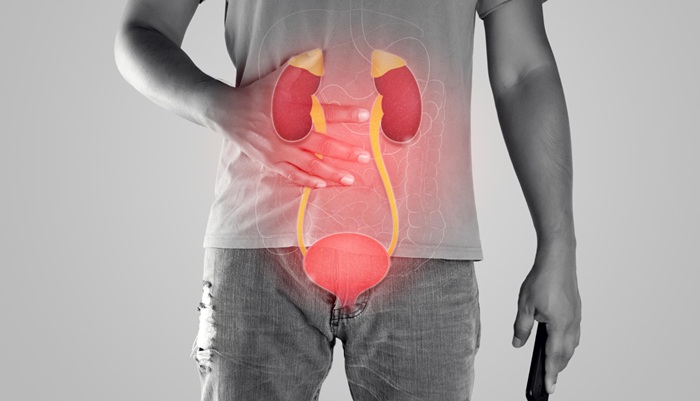
A urinary tract infection (UTI) is an infection that can affect any part of the urinary system, including the kidneys, ureters (the tubes connecting the kidneys to the bladder), bladder, and urethra (the tube through which urine leaves the body). Most UTIs affect the lower urinary tract, particularly the bladder and urethra. Women are at a higher risk of developing UTIs than men.
A UTI affecting the bladder can cause pain and discomfort during urination. However, if the infection spreads to the kidneys, it can become more serious.
UTIs are generally treated with antibiotics prescribed by a healthcare professional. There are also several measures you can take to reduce your risk of developing a UTI and help prevent recurrent infections after treatment.

Contents
Recognizing the Symptoms of a Urinary Tract Infection
A UTI can cause inflammation of the urinary tract lining, resulting in various symptoms. Common UTI symptoms include:
- Pain in the flank, abdomen, pelvis, or lower back.
- Pressure or discomfort in the lower pelvic area.
- Cloudy or strong-smelling urine.
- Frequent urination.
- Difficulty controlling urination or urinary incontinence.
- Pain or a burning sensation during urination.
- Blood in the urine.
UTIs may also cause other symptoms, such as:
- Pain in the penis.
- Severe fatigue.
- Fever and chills.
- Nausea and vomiting.
- Changes in mental status or confusion, particularly in certain circumstances.
UTI symptoms can vary from person to person, depending on which part of the urinary tract is affected. If you experience a fever, chills, flank pain, or vomiting along with UTI symptoms, seek medical attention promptly. These symptoms may indicate that the infection has spread to the kidneys.
Causes of Urinary Tract Infections to Be Aware Of
A UTI occurs when bacteria enter the urinary tract through the urethra and multiply. Although the urinary system has natural defenses that help prevent bacterial infections, bacteria can sometimes overcome these defenses and cause an infection.
Most UTIs affect the bladder and urethra. The following are two common types of urinary tract infections:
- Bladder infection (cystitis): Usually caused by Escherichia coli (E. coli), a type of bacteria commonly found in the digestive tract.
- Urethral infection (urethritis): May occur when bacteria from the digestive tract enter the urethra. It can also be caused by sexually transmitted infections, such as gonorrhea, chlamydia, and herpes.
UTIs can also recur. Recurrent UTIs are generally defined as two or more infections within six months or three or more infections within one year. This condition is more common in women.
Factors That Increase the Risk of UTIs
Several factors can increase a person’s risk of developing a UTI, including:
- Female anatomy: Women’s urethras are shorter, making it easier for bacteria to reach the bladder.
- Hormonal changes: Decreased estrogen levels during perimenopause and menopause can increase the risk of UTIs.
- Certain contraceptive methods: Diaphragms and spermicides may increase the risk of infection.
- Inadequate fluid intake: Drinking too little fluid may reduce urination frequency, allowing bacteria to multiply more easily.
- Difficulty emptying the bladder: Urine remaining in the bladder can allow bacteria to grow.
- Constipation: This condition may increase the risk of UTIs.
- Urinary tract obstruction: Kidney stones or an enlarged prostate can obstruct urine flow.
- A weakened immune system: Diabetes, certain medical conditions, or the use of immunosuppressive medications can increase the risk of infection.
- Catheter use or medical procedures: Urinary catheterization and procedures involving the urinary tract can increase the risk of bacteria entering the system.
- Congenital urinary tract abnormalities: Certain conditions can cause urine to flow backward into the ureters, increasing the risk of infection.
How Do Doctors Diagnose Urinary Tract Infections?
To diagnose a UTI, a doctor will ask about the patient’s symptoms and may examine a urine sample to detect white blood cells, red blood cells, and bacteria.
In certain cases, the doctor may also order a urine culture to identify the bacteria responsible for the infection. If UTIs recur, further examinations may be necessary to determine whether structural or functional abnormalities are present in the urinary tract. These examinations may include:
- Imaging tests: Ultrasound, CT scans, MRI, or X-rays may be used to examine the urinary tract.
- Urodynamic testing: Evaluates how well the bladder and urinary tract store and release urine.
- Cystoscopy: A procedure that allows the doctor to examine the inside of the bladder and urethra using a thin, camera-equipped instrument inserted through the urethra.
Treatment for Urinary Tract Infections
UTIs are generally treated with antibiotics prescribed by a doctor for both men and women. The type of antibiotic and duration of treatment depend on the patient’s symptoms, medical history, and overall condition.
Patients should take their antibiotics exactly as prescribed, even if their symptoms improve or disappear. This is important because the infection may not have completely cleared. Inappropriate antibiotic use can also contribute to antibiotic resistance, a condition in which bacteria become resistant to medications.
Some antibiotics that may be used to treat UTIs include:
- Nitrofurantoin.
- Sulfonamides, such as the combination of sulfamethoxazole and trimethoprim.
- Amoxicillin.
- Cephalosporins, such as cephalexin.
- Doxycycline.
- Fosfomycin.
- Quinolones, such as ciprofloxacin or levofloxacin.
The choice of antibiotic must be determined by a doctor based on the bacteria causing the infection, the severity of the condition, and the patient’s circumstances. Not all of these antibiotics are appropriate for every UTI. Patients should not take antibiotics without a prescription or use leftover antibiotics from previous treatments.
Consult a Urologist at Mandaya Royal Puri Hospital for Urinary Tract Infection Symptoms
If you have a UTI, consulting a urologist can help identify the underlying cause and determine the appropriate treatment. Mandaya Royal Puri Hospital has urologists with expertise in various areas who can help manage urinary tract disorders, including recurrent UTIs and other urological conditions.
The following urologists at Mandaya Royal Puri Hospital may be considered for consultation.
1. Prof. dr. Chaidir Arif Mochtar, Sp.U(K), PhD
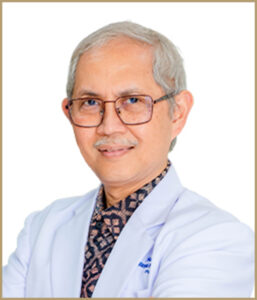
Prof. dr. Chaidir Arif Mochtar, Sp.U(K), PhD is a senior urologist and consultant in urologic oncology with experience managing a wide range of urinary system disorders. His expertise includes urinary tract cancers, kidney and prostate surgery, varicocele surgery, PCNL, urinary tract surgery, and kidney transplantation.
He also has experience performing laparoscopic kidney surgery and has completed specialized training in this technique in the Netherlands. In addition to urologic oncology, kidney transplantation is one of his areas of expertise.
Prof. dr. Chaidir Arif Mochtar, Sp.U(K), PhD is available for consultations at Mandaya Royal Puri Hospital on the following schedule:
- Monday: 16:00–18:00 WIB
- Thursday: 16:00–18:00 WIB
2. Prof. dr. Ponco Birowo, Sp.U(K), PhD
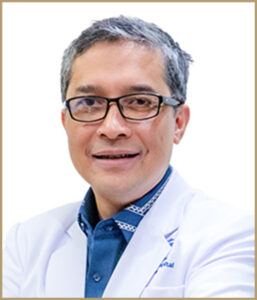
Prof. dr. Ponco Birowo, Sp.U(K), PhD is a urologist specializing in kidney transplantation and the management of complex urological conditions. He is also experienced in using robotic surgical technologies, including Zamenix and Da Vinci Xi, to support urological procedures based on each patient’s condition.
Prof. dr. Ponco Birowo, Sp.U(K), PhD is available for consultations at Mandaya Royal Puri Hospital on the following schedule:
- Tuesday: 16:00–18:00 WIB
- Thursday: 16:00–18:00 WIB
3. dr. Sigit Sholichin, SpU, FICRS
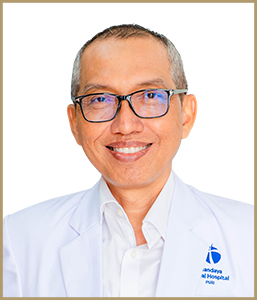
dr. Sigit Sholichin, SpU, FICRS completed his medical education at Diponegoro University and his urology specialist training at the University of Indonesia.
He manages various urological conditions and performs procedures ranging from urinary tract treatment and prostate biopsy to kidney and prostate surgery and varicocele surgery. He also offers uroflowmetry testing to help evaluate urine flow and voiding problems.
dr. Sigit Sholichin, SpU, FICRS is available for consultations at Mandaya Royal Puri Hospital on the following schedule:
- Monday: 13:30–16:00 WIB
- Wednesday: 13:30–16:00 WIB
- Saturday: 12:30–15:00 WIB
4. dr. Hendy Mirza, Sp.U(K)
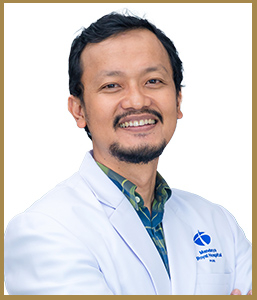
dr. Hendy Mirza, Sp.U(K) completed his medical education at the University of North Sumatra and his urology specialist training at the University of Indonesia. He further developed his expertise in pediatric urologic reconstruction and laparoscopy through fellowship training and holds certification as a pediatric urology consultant.
His services include the management of various urinary system disorders and urological procedures, such as prostate biopsy, PCNL (Percutaneous Nephrolithotomy) for kidney stones, and TURP (Transurethral Resection of the Prostate) for certain cases of enlarged prostate.
dr. Hendy Mirza, Sp.U(K) is available for consultations at Mandaya Royal Puri Hospital on the following schedule:
- Monday: 16:00–19:00 WIB
- Wednesday: 16:00–19:00 WIB
- Friday: 16:00–19:00 WIB
5. dr. Maruto Harjanggi, BSc(Hons), Sp.U, FICS

dr. Maruto Harjanggi, BSc(Hons), Sp.U, FICS graduated from the Faculty of Medicine at the University of Indonesia and earned a Bachelor of Science (Honours) degree from the Faculty of Medical Sciences at Newcastle University, United Kingdom.
He treats various urological conditions, including kidney stones and enlarged prostate, and performs procedures such as vasectomy. Patients experiencing urinary problems related to prostate conditions or other urological concerns can consult him for evaluation and appropriate treatment options.
dr. Maruto Harjanggi, BSc(Hons), Sp.U, FICS is available for consultations at Mandaya Royal Puri Hospital on the following schedule:
- Monday: 09:00–13:00 WIB
- Tuesday: 09:00–13:00 WIB
- Wednesday: 09:00–13:00 WIB
- Thursday: 09:00–13:00 WIB
- Friday: 09:00–13:00 WIB
- Saturday: 09:00–13:00 WIB
6. dr. Ima Nastiti Setyaningsih, Sp.U

dr. Ima Nastiti Setyaningsih, Sp.U is a urologist who completed both her medical education and urology specialist training at the University of Indonesia.
She manages various urinary system conditions and performs several urological procedures, including cystectomy, kidney surgery, urinary tract surgery, and TURP (Transurethral Resection of the Prostate).
dr. Ima Nastiti Setyaningsih, Sp.U is available for consultations at Mandaya Royal Puri Hospital on the following schedule:
- Tuesday: 14:00–16:00 WIB
- Thursday: 14:00–16:00 WIB
7. dr. Andika Afriansyah, Sp.U, Subsp. FFN (K), MARS
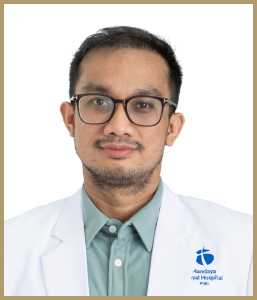
dr. Andika Afriansyah, Sp.U, Subsp. FFN (K), MARS is a urologist specializing in functional, female, and neuro-urology. He completed his general medical education and urology specialist training at the University of Indonesia before pursuing consultant training through the Indonesian Urology College.
He treats various disorders affecting urinary tract and bladder function, including urinary incontinence, voiding difficulties, overactive bladder, and recurrent UTIs. His expertise also includes bladder dysfunction associated with neurological conditions, making him a potential consultation option for patients experiencing these symptoms.
dr. Andika Afriansyah, Sp.U, Subsp. FFN (K), MARS is available for consultations at Mandaya Royal Puri Hospital on the following schedule:
- Tuesday: 16:00–20:00 WIB
- Thursday: 16:00–20:00 WIB
- Saturday: 09:00–16:00 WIB
Facilities for Patients Traveling from Other Cities and International Patients at Mandaya Royal Puri Hospital


Mandaya Royal Puri Hospital offers various support facilities designed to make visits more comfortable for patients traveling from other cities or from abroad:
- VIP transport: Pick-up services from Soekarno-Hatta International Airport, train stations, or seaports to the hospital in comfortable vehicles, accompanied by a Patient Experience Officer (PEO).
- Medical ambulance pick-up: Specialized pick-up services for patients with specific medical needs from arrival points, such as airports, train stations, or seaports. These services include medical equipment and professional healthcare personnel.
- Accommodation (Sleep Hub and apartments): Comfortable accommodation for family members accompanying patients, including facilities located on the eighth floor of Mandaya Royal Puri Hospital and nearby apartment options.
- International Patient Relations: Dedicated assistance for international patients with medical coordination, interpretation, and administrative arrangements. For information and assistance, contact 021 5092 8888 or email [email protected].
To make your visit to Mandaya Royal Puri Hospital easier, use WhatsApp Chat, Book an Appointment, or the Care Dokter app, available for download on Google Play and the App Store. These options can help you arrange appointments, check queue numbers, and access other information.
The information on this page is intended for educational purposes and provides a general overview. It does not represent the full range of medical services each doctor may perform. To determine the most appropriate treatment for your condition, we recommend consulting the relevant doctor directly.
For questions, suggestions, or further information, please contact our call center at 0811-1900-2000.

References:
- Mayo Clinic. Urinary Tract Infection (UTI): Symptoms and Causes. (https://www.mayoclinic.org/diseases-conditions/urinary-tract-infection/symptoms-causes/syc-20353447). Accessed October 13, 2026.
- Cleveland Clinic. Urinary Tract Infection (UTI): Causes, Symptoms & Treatment. (https://my.clevelandclinic.org/health/diseases/9135-urinary-tract-infections). Accessed October 13, 2026.
- Medical News Today. Everything You Should Know About Urinary Tract Infections. (https://www.medicalnewstoday.com/articles/189953#diagnosis). Accessed October 13, 2026.