


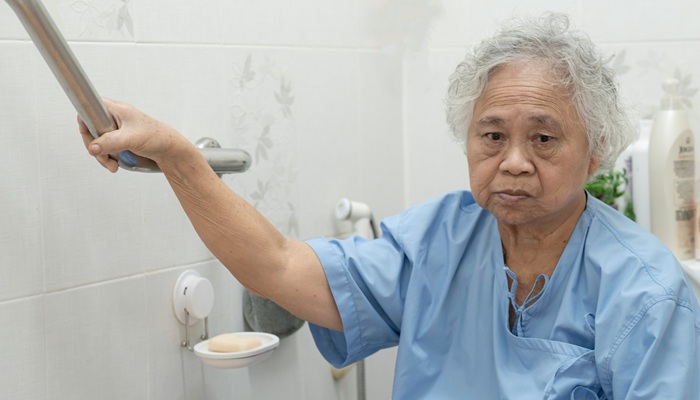
Loss of bladder control, or involuntary urination (urinary incontinence), is a common problem after a stroke. This happens because a stroke can damage the areas of the brain responsible for regulating and controlling bladder function. As a result, patients may have difficulty controlling the urge to urinate, causing urine to leak unintentionally.
In addition to urinary incontinence, a stroke can also affect bladder function in other ways, such as making it difficult to completely empty the bladder (urinary retention). This condition should not be ignored, as it may increase the risk of urinary tract infections, urinary stones, and skin irritation or breakdown caused by prolonged exposure to urine.

One of the specialists who can help manage urinary incontinence after a stroke is a urologist specializing in functional, female, and neuro-urology. At Mandaya Royal Hospital Puri, patients can consult dr. Andika Afriansyah, Sp.U, Subsp. FFN (K), MARS, who has expertise in treating urinary tract dysfunction caused by neurological disorders (neuro-urology), including urinary incontinence following a stroke.

Contents
What causes bedwetting after a stroke?
Bedwetting after a stroke generally occurs because a stroke can impair the function of the brain and nervous system that controls the bladder. In addition, physical limitations and cognitive impairment following a stroke may make it difficult for patients to control urination or reach the bathroom in time.
Some of the common causes of urinary incontinence after a stroke include:
1. Damage to the brain areas that control the bladder
A stroke can damage the parts of the brain responsible for controlling urination. As a result, communication between the brain and the bladder becomes disrupted, making it difficult to suppress the urge to urinate. This may cause involuntary urine leakage (urinary incontinence).
In some patients, a stroke may also cause difficulty emptying the bladder completely (urinary retention). Although this is often temporary, it should still be evaluated by a doctor.
2. Problems with movement, communication, and cognitive function
The physical effects of a stroke, such as muscle weakness or difficulty walking, may prevent patients from reaching the bathroom in time when they feel the urge to urinate. Consequently, urine leakage may occur before they can reach the toilet.
In addition, weakness in the hands may make it difficult to remove clothing quickly when using the bathroom. Speech disorders, such as aphasia, may prevent patients from asking for assistance, while memory and thinking problems may delay their awareness that the bladder is already full.
3. Prolonged sitting or lying down
Stroke survivors often experience reduced mobility during recovery. Spending long periods sitting or lying down may worsen bladder control problems, especially in individuals who already had mild urinary symptoms before their stroke. This can increase the likelihood of urinary incontinence during the recovery process.
Also read: 8 Causes of Bedwetting in Adults and Older Adults
Tips for managing urinary incontinence after a stroke
In addition to receiving treatment for the underlying cause, the following strategies may help reduce urinary incontinence after a stroke and make daily activities easier:
- Pay attention to your diet and fluid intake. Certain foods and beverages can make the bladder more active. Coffee, tea, caffeinated drinks, alcohol, and spicy foods may increase the urge to urinate in some people.
- Manage the timing and amount of fluids you drink. Stay well hydrated, but consider reducing fluid intake a few hours before bedtime if nighttime bedwetting is a problem. Avoid restricting fluids excessively, as this can increase the risk of dehydration.
- Wear clothing that is easy to remove. Choose practical clothing that allows you to reach the toilet more quickly when you need to urinate.
- Ensure easy access to the bathroom. If possible, arrange your home so that the bathroom is safe and easily accessible, especially if you still have difficulty walking or maintaining balance after a stroke.
If urinary incontinence persists or becomes more frequent after a stroke, consult your doctor promptly. Your doctor will determine the underlying cause and recommend the most appropriate treatment to improve bladder function and maintain your quality of life.
Also read: How to Manage Bedwetting in Older Adults
Doctor who treats urinary incontinence after a stroke at Mandaya Royal Hospital Puri

Urinary incontinence after a stroke may be managed by different specialists depending on the underlying cause. When bladder dysfunction results from neurological damage, one of the specialists involved in treatment is a urologist with subspecialty training in neuro-urology.
Neuro-urology is a subspecialty of urology that focuses on diagnosing and treating urinary tract disorders caused by diseases or abnormalities of the nervous system. This field plays an important role in managing urinary conditions such as urinary incontinence and neurogenic bladder, helping patients regain better bladder control and improve their quality of life.
At Mandaya Royal Hospital Puri, patients experiencing urinary incontinence after a stroke can consult dr. Andika Afriansyah, Sp.U, Subsp. FFN (K), MARS, a urologist specializing in functional, female, and neuro-urology. He has extensive expertise in treating urinary tract dysfunction associated with neurological disorders, including urinary incontinence and bladder dysfunction following a stroke.
dr. Andika completed his medical degree at Universitas Indonesia in 2008. He then continued his Specialist Training in Urology at the same university and completed the program in 2020. To further enhance his expertise, he completed Consultant Training in Functional, Female, and Neuro-Urology through the Indonesian College of Urology in 2022.
Areas of expertise of dr. Andika Afriansyah, Sp.U, Subsp. FFN (K), MARS
As a urologist specializing in functional, female, and neuro-urology, dr. Andika treats a variety of conditions, including:
- Urinary tract disorders in women, including recurrent urinary tract infections (UTIs).
- Voiding dysfunction, such as difficulty urinating, weak urine flow, and incomplete bladder emptying.
- Urinary incontinence (loss of bladder control) in adults and older adults.
- Bladder dysfunction caused by neurological disorders (neuro-urology), including those related to stroke, diabetes, and other neurological diseases.
- Various urinary tract disorders requiring evaluation and treatment by a urologist specializing in functional, female, and neuro-urology.
dr. Andika’s practice schedule at Mandaya Royal Hospital Puri
dr. Andika Afriansyah, Sp.U, Subsp. FFN (K), MARS is available for consultation at Mandaya Royal Hospital Puri according to the following schedule:
- Tuesday: 4:00 PM–8:00 PM
- Thursday: 4:00 PM–8:00 PM
- Saturday: 9:00 AM–4:00 PM
To make your visit to Mandaya Royal Hospital Puri more convenient, you can use the Chat via WhatsApp, Book Appointment, or Care Dokter app, which is available for download on Google Play and the App Store. These services can help you plan your visit, check queue numbers, and access other useful information.
The information provided on this page is intended for educational and general informational purposes only and does not represent the full range of medical services that may be provided by each physician. To receive treatment appropriate for your condition, please consult the relevant doctor directly.
If you have any questions, suggestions, or require further information, please contact our call center at +62 811-1900-2000.

References:
- UW Health. Bladder and Bowel Problems After a Stroke. (https://patient.uwhealth.org/healthfacts/6552). Accessed August 7, 2026.
- Stroke Association. Continence problems after stroke. (https://www.stroke.org.uk/stroke/effects/physical/continence-problems). Accessed August 7, 2026.
- American Stroke Association. Incontinence. (https://www.stroke.org/en/about-stroke/effects-of-stroke/physical-effects/incontinence). Accessed August 7, 2026.
- Shepherd Center. What Is Neurourology? (https://shepherd.org/treatment/services-clinics/urology-clinic/what-is-neurourology/). Accessed August 7, 2026.