



Breast cancer is a type of cancer that can be treated using various methods, depending on the cancer stage, tumor size, cancer cell characteristics, and the patient’s overall health. Breast cancer treatment options may include surgery to remove the tumor, chemotherapy, hormone therapy, targeted therapy, and radiation therapy, also known as radiotherapy.
Each treatment method has a different purpose and mechanism of action. Surgery, such as mastectomy and lumpectomy, removes cancerous tissue, while radiotherapy uses high-energy radiation to destroy remaining cancer cells or reduce the risk of recurrence. Doctors determine the appropriate combination of treatments based on examination results and each patient’s individual needs.

Contents
Breast Cancer Treatment Options
The following are some breast cancer treatment options that doctors may recommend based on the patient’s condition.
1. Surgery
Surgery is one of the main treatment methods for breast cancer. Its purpose is to remove the tumor and, when possible, all cancerous tissue in the targeted area. Breast cancer surgery options include:
- Mastectomy: A surgical procedure to remove the entire breast.
- Lumpectomy: A procedure to remove a breast lump along with some surrounding healthy tissue. Removing the surrounding tissue helps ensure that no microscopic cancer cells remain at the edges of the removed tissue.
- Breast reconstruction: Surgery to restore the shape of the breast after a mastectomy.
2. Radiation Therapy (Radiotherapy)
Radiation therapy or radiotherapy for breast cancer uses high-energy X-rays, protons, or other forms of radiation to destroy cancer cells or inhibit their growth. Radiotherapy is a local treatment that targets a specific area of the body. Most breast cancer radiotherapy procedures are performed on an outpatient basis, allowing patients to return home after each treatment session.
Radiotherapy is generally administered after surgery to reduce the risk of breast cancer recurrence. It may be given after a lumpectomy or, in certain circumstances, after a mastectomy. Radiotherapy can also help relieve pain and other symptoms when breast cancer has spread to other parts of the body.
3. Chemotherapy
Chemotherapy is a cancer treatment that uses medication administered through a vein (intravenously or IV) or taken orally. These medications travel through the bloodstream to reach cancer cells in different parts of the body.
Not every breast cancer patient needs chemotherapy. However, it may be recommended in several situations.
Before Surgery (Neoadjuvant Chemotherapy)
Neoadjuvant chemotherapy is administered before surgery to shrink the tumor, potentially allowing it to be removed through a less extensive surgical procedure.
After Surgery (Adjuvant Chemotherapy)
Adjuvant chemotherapy is given after surgery to destroy cancer cells that may remain or have spread to other parts of the body. These cells may be too small to detect through imaging tests or with the naked eye, but they can develop into new tumors if left untreated.
For Metastatic Breast Cancer
Chemotherapy is often one of the main treatment options when breast cancer has spread to distant organs, such as the liver or lungs. Treatment may begin soon after diagnosis or following other treatments.
4. Hormone Therapy
Hormone therapy is a cancer treatment that uses medication to block hormones from stimulating cancer cell growth. It is used for breast cancers that have hormone receptors.
5. Targeted Therapy
Targeted therapy can block the HER2 protein, which promotes cancer growth in HER2-positive (HER2+) breast cancer. Targeted therapy can also work by attacking other specific vulnerabilities in cancer cells.
6. Immunotherapy
Immunotherapy is most commonly used for triple-negative breast cancer. Immunotherapy helps the immune system recognize and attack cancer cells.
Doctors tailor treatment to each patient’s needs. Factors considered include the cancer type and stage, as well as whether the patient is receiving treatment for the first time or has experienced a recurrence of breast cancer following previous treatment.
Doctors Involved in Breast Cancer Treatment
Breast cancer treatment involves several specialists who work together to determine and implement a treatment plan tailored to the patient’s condition. The doctors involved may vary depending on the type of treatment required. The following specialists play important roles in breast cancer care:
- Surgical oncologist: Treats breast cancer through surgical procedures, such as mastectomy and lumpectomy.
- Radiation oncologist: Treats cancer using radiation therapy or radiotherapy to destroy cancer cells in specific areas of the body.
- Medical oncologist: Treats cancer using medications, including chemotherapy, hormone therapy, and immunotherapy.
- Plastic and reconstructive surgeon: Helps repair or restore the shape of the breast after cancer surgery, including through breast reconstruction procedures.
In addition to these specialists, the breast cancer care team may include nurses, psychologists, dietitians, social workers, and other healthcare professionals. This multidisciplinary approach aims to help patients receive appropriate care throughout treatment and recovery.
Breast Cancer Center at Mandaya Royal Puri Hospital
The Breast Cancer Center at Mandaya Royal Puri Hospital provides comprehensive breast cancer care, from initial examinations and diagnosis to treatment and recovery. Available treatment options include breast cancer surgery, such as mastectomy and endoscopic lumpectomy, chemotherapy, radiation therapy (radiotherapy), and other treatments based on the cancer type, stage, and the patient’s condition.
To support the diagnostic process, Mandaya Royal Puri Hospital offers various examinations, including breast ultrasound, 3D mammography, Vacuum-Assisted Breast Biopsy (VABB) to collect breast tissue samples, and Digital PET/CT scans to help evaluate the spread of cancer. These examinations provide doctors with information needed to establish a diagnosis and plan appropriate treatment for each patient.
Breast cancer care at Mandaya Royal Puri Hospital is supported by a multidisciplinary team, including surgical oncologists, medical oncologists, and radiation oncologists. Breast reconstruction services are also available from plastic and reconstructive surgeons for patients who need them. Through this integrated approach, patients can receive care ranging from diagnosis and cancer treatment to efforts to restore breast shape after surgery.
Facilities for Out-of-Town and International Patients at Mandaya Royal Puri Hospital

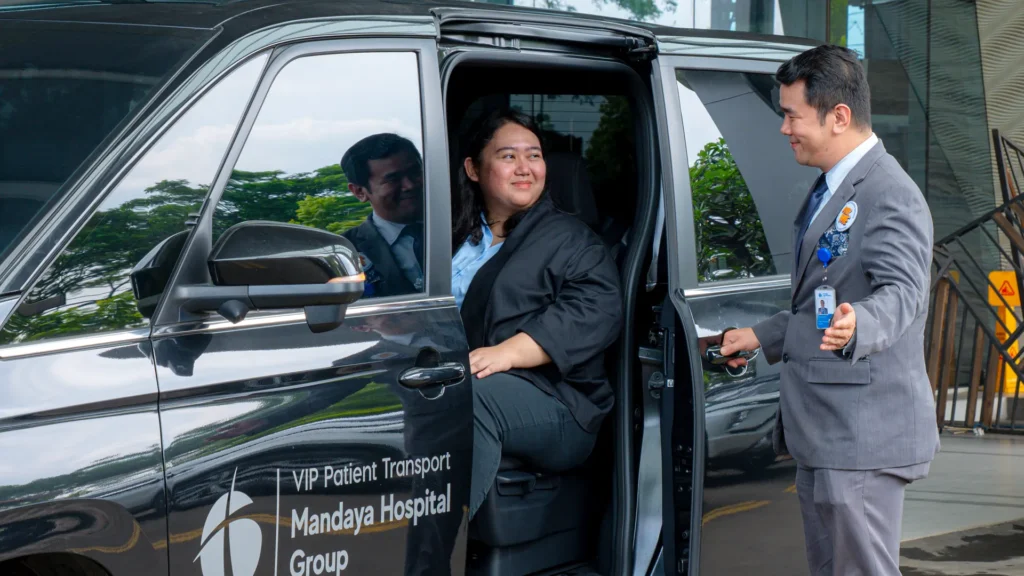
Mandaya Royal Puri Hospital offers a range of support facilities to provide additional comfort for patients traveling from other cities or from abroad:
- VIP Transportation: Pickup services from Soekarno-Hatta International Airport, train stations, or seaports to the hospital in comfortable vehicles, accompanied by a Patient Experience Officer (PEO).
- Medical Ambulance Pickup: Specialized transportation for patients with specific medical needs from arrival points, including airports, train stations, and seaports. The service includes medical equipment and assistance from professional healthcare personnel.
- Accommodation (Sleep Hub and Apartments): Comfortable accommodation for families accompanying patients. The Sleep Hub is located on the eighth floor of the Mandaya Royal Puri building, with nearby apartments also available.
- International Patient Relations: Dedicated assistance for international patients with medical coordination, interpretation, and administrative arrangements. For information and assistance from International Patient Relations, contact 021 5092 8888 or email [email protected].
To make your visit to Mandaya Royal Hospital Puri easier, use the WhatsApp Chat service, Book Appointment, or the Care Dokter app, available for download on Google Play and the App Store. These options can help you arrange visits, check queue numbers, and access other relevant information.
The information on this page is intended for educational purposes and provides a general overview. It does not represent the full range of medical services that each doctor may provide. To determine the most appropriate care for your health condition, you are advised to consult the relevant doctor directly.
If you have questions, suggestions, or need further information, please contact our call center at 0811-1900-2000.

References:
- Cleveland Clinic. Breast Cancer. https://my.clevelandclinic.org/health/diseases/3986-breast-cancer. Accessed on October 12, 2026.
- Mayo Clinic. Radiation Therapy for Breast Cancer. https://www.mayoclinic.org/tests-procedures/radiation-therapy-for-breast-cancer/about/pac-20384940. Accessed on October 12, 2026.
- American Cancer Society. Chemotherapy for Breast Cancer. https://www.cancer.org/cancer/types/breast-cancer/treatment/chemotherapy-for-breast-cancer.html. Accessed on October 12, 2026.