



Lymphedema is swelling that occurs when lymphatic fluid builds up in the body’s tissues. This fluid is rich in protein and is normally transported through the lymphatic system, a network of vessels and lymph nodes that helps drain fluid and protect the body against infection. When the lymphatic system is damaged or blocked, the fluid cannot flow properly, resulting in swelling.
One common cause of lymphedema is cancer treatment involving the removal of or damage to lymph nodes, such as mastectomy for breast cancer. In addition, injuries or blockages in the lymphatic system can also cause this condition. In some people, lymphedema can run in families or occur without a known cause.
Treatment for lymphedema can be adjusted according to the patient’s condition and severity. One option that may be considered is lymphaticovenous anastomosis (LVA), a procedure that helps redirect excess lymphatic fluid into the venous system to reduce swelling caused by lymphedema and help prevent it from recurring.

Contents
What is lymphaticovenous anastomosis (LVA) for lymphedema?
Lymphaticovenous anastomosis (LVA) is a method of redirecting excess lymphatic fluid into the venous system to help reduce swelling caused by lymphedema and prevent it from recurring. During an LVA procedure, lymphatic vessels in the affected area are connected to nearby veins. This allows lymphatic fluid to flow into the veins and return to circulation throughout the body.
The goal of LVA is to help reduce swelling, improve patient comfort, and reduce the need to use compression garments.
Read also: Treating a Swollen Arm After Breast Cancer Surgery with LVA at Mandaya Royal Puri
How is LVA performed for lymphedema?
In general, the LVA procedure for lymphedema involves the following steps:
- Creating a new pathway for lymphatic fluid: LVA is a surgical procedure that connects a lymphatic vessel to a vein. The goal is to allow lymphatic fluid to drain into the vein and bypass lymphatic channels that are no longer functioning properly.
- Performed through a small incision: The LVA procedure is performed through a small incision in the armpit area.
- Identifying the lymphatic vessels: A plastic surgeon identifies the lymphatic vessels that carry lymphatic fluid in the armpit area using a special dye injected beforehand.
- Connecting the lymphatic vessel to a vein: Once the appropriate lymphatic vessel is identified, it is connected to a nearby vein, creating a new pathway for lymphatic fluid to drain.
- Closing the incision: Once the procedure is complete, the incision is closed with dissolvable stitches. Dye staining on the upper arm may also be visible and, in some cases, may remain for several months.
- Usually does not require hospitalization: LVA is generally performed as a day procedure, so patients typically do not need to stay overnight in the hospital.
Be aware of lymphedema symptoms beyond swelling
Swelling is the most common symptom of lymphedema. It can develop gradually and may go unnoticed in its early stages, although in some cases it can appear suddenly. Other symptoms may include:
- Swelling in the arms, legs, or other parts of the body.
- One arm or leg appearing slightly different in size from the other.
- A feeling of heaviness or fullness in the arms, legs, or other affected areas.
- Clothes, rings, bracelets, or other accessories feeling tighter than usual.
- Joints feeling stiff or becoming difficult to move.
- Blood vessels or tendons in the hands and feet not being as visible or easy to feel as usual.
- Skin appearing swollen or red.
- Itchy or burning sensations in the skin.
- Skin becoming thicker than usual.
What causes lymphedema?
Lymphedema can occur due to various conditions that interfere with the function of the lymphatic system. Some possible causes include:
- Breast cancer surgery: Surgery for breast cancer may involve removing lymph nodes under the arm or may cause damage to nearby lymphatic vessels.
- Pelvic surgery: Removal of lymph nodes in the pelvic area may increase the risk of developing lymphedema.
- Radiation therapy: Radiation therapy can cause scarring and damage to the lymphatic system, interfering with lymphatic fluid flow.
- Injury or trauma: Injuries to certain parts of the body can damage lymphatic vessels located beneath the skin or deeper within the tissues.
- Infection: Infections can damage the lymphatic system and interfere with lymphatic fluid flow.
- Obesity: Excess fatty tissue can put pressure on lymph nodes and lymphatic vessels, which may obstruct lymphatic fluid flow.
- Lack of movement: Muscle activity, particularly in the legs, helps support lymphatic fluid flow. Lack of physical activity may contribute to swelling in the legs.
- Tumors: Tumors can obstruct lymphatic fluid flow, causing fluid to build up.
- Heart conditions: Certain heart conditions, including congestive heart failure, can cause fluid buildup and swelling in the legs.
- Blood vessel disorders: Chronic problems with blood vessels can affect the balance and movement of fluid in the body and contribute to swelling.
- Kidney disease: Impaired kidney function can make it difficult for the body to remove excess fluid. As a result, fluid can build up and cause swelling.
Can lymphedema be dangerous if left untreated?
Lymphedema can become a serious condition if it is not properly treated. The buildup of lymphatic fluid can increase the risk of skin infections. In certain circumstances, these infections can develop into life-threatening conditions.
Although very rare, lymphedema can also increase the risk of lymphangiosarcoma, a very rare type of skin cancer. Therefore, it is important to recognize the symptoms of lymphedema and seek appropriate treatment.
Profile and practice schedule of dr. Sara, an LVA specialist at Mandaya Royal Puri
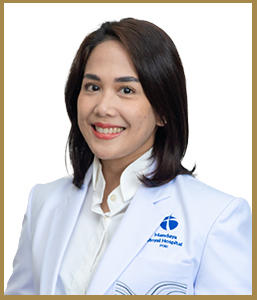
dr. Sara Ester Triatmoko, Sp.B.P.R.E., Subsp.M.O. (K) is a specialist in Plastic, Reconstructive, and Aesthetic Surgery with subspecialty expertise in microsurgery and oncoplastic surgery. She completed her medical and Plastic, Reconstructive, and Aesthetic Surgery specialist training at Universitas Indonesia, followed by further training in microsurgery and oncoplastic surgery to support the reconstruction needs of cancer patients.
Her areas of expertise include breast reconstruction following mastectomy and lymphedema treatment using the LVA technique. For breast cancer patients, LVA may be considered as one of the treatment options for lymphedema, particularly arm swelling that can occur due to impaired lymphatic fluid flow following surgery or radiation therapy.
Before determining the appropriate treatment, dr. Sara evaluates the patient’s condition to identify the most suitable technique. Consultation also helps patients understand their condition, available treatment options, and the goals of the procedure.
dr. Sara’s practice schedule at Mandaya Royal Puri
dr. Sara Ester Triatmoko, Sp.B.P.R.E., Subsp.M.O. (K) is available for consultations at Mandaya Royal Puri on:
- Tuesday: 17:00–19:30 WIB
- Thursday: 17:00–19:30 WIB
To make your visit to Mandaya Royal Hospital Puri easier, use Chat via WhatsApp, Book an Appointment, or the Care Dokter app, which can be downloaded from Google Play and the App Store. The app makes it easier to schedule visits, check your queue number, and access other information.
*The information provided on this page is intended for educational purposes and general information only and does not represent all types of medical services that may be performed by each doctor. To ensure appropriate treatment based on your health condition, consultation with the relevant doctor is recommended.
If you have any questions, suggestions, or need further information, please contact our call center at 0811-1900-2000.

References:
- Mayo Clinic. Lymphedema – Symptoms and Causes. (https://www.mayoclinic.org/diseases-conditions/lymphedema/symptoms-causes/syc-20374682). Accessed October 2, 2026.
- Northwell Health. Lymphaticovenous Anastomosis for Lymphedema. (https://www.northwell.edu/plastic-surgery/procedures/lymphaticovenous-anastomosis-for-lymphedema). Accessed October 2, 2026.
- Guy’s and St Thomas’ NHS Foundation Trust. LVA After Axillary Lymph Node Clearance. (https://www.guysandstthomas.nhs.uk/health-information/lva-axillary-lymph-node-clearance). Accessed October 2, 2026.
- Cleveland Clinic. Lymphedema. (https://my.clevelandclinic.org/health/diseases/8353-lymphedema). Accessed October 2, 2026.