


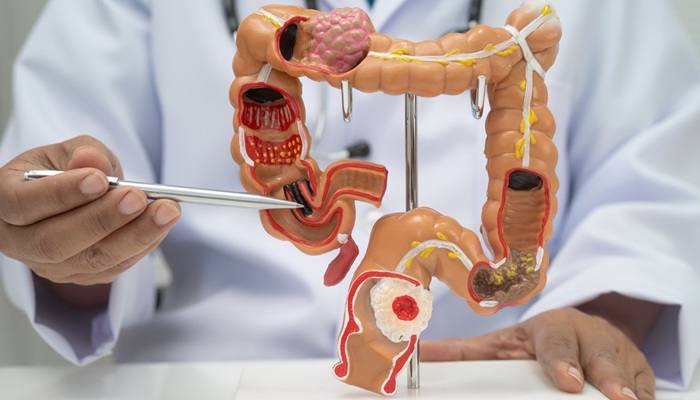
Colon cancer is a type of cancer that begins in the colon, which is part of the large intestine, when cells grow abnormally and uncontrollably. The condition often begins with polyps, which are small growths on the inner lining of the colon that generally do not cause symptoms. Most polyps do not develop into cancer, but some types can become cancerous over time. This process can take 10–15 years, so screening and polyp removal can help reduce the risk of colon cancer.
Colon cancer treatment is determined by the cancer stage, tumor location, and the patient’s overall health. Treatment options may include surgery to remove cancerous tissue, chemotherapy, radiation therapy in certain situations, and targeted therapy. Each method has different purposes and indications, so doctors determine the most appropriate approach based on examination results and how far the cancer has progressed.

Contents
Colon Cancer Treatment Options
The following are several colon cancer treatments that doctors may recommend depending on the cancer stage and the patient’s condition.
1. Surgery
Surgery is one of the main treatment methods for colon cancer that has not spread to other parts of the body. The type of procedure depends on the size, location, and progression of the cancer. Several procedures may be performed, including:
- Polypectomy: A procedure to remove precancerous or cancerous polyps in the colon.
- Colectomy: Surgery to remove the part of the colon containing cancerous tissue.
- Multivisceral resection: A complex operation to treat cancer that has grown into nearby organs. The procedure involves removing the tumor along with affected adjacent organs or structures, with the aim of removing all visible cancerous tissue.
2. Chemotherapy
Chemotherapy is a cancer treatment that uses anticancer drugs, which can be administered intravenously or taken orally. These drugs enter the bloodstream and reach different parts of the body to destroy cancer cells or inhibit their growth. Chemotherapy is commonly used to treat colon cancer and may be given at different stages of treatment.
- Neoadjuvant chemotherapy: Given before surgery, sometimes in combination with radiation therapy, to shrink the tumor and make it easier to remove. This approach is more commonly used for rectal cancer.
- Adjuvant chemotherapy: Given after surgery to destroy cancer cells that may remain or have spread to other parts of the body but are not yet detectable through imaging tests. The goal is to reduce the risk of cancer recurrence.
- Chemotherapy for advanced cancer: When cancer has spread to other organs, such as the liver, chemotherapy may help shrink tumors and relieve the problems they cause. Although it may not cure the cancer, treatment can help improve quality of life and extend survival.
3. Radiation Therapy
Radiation therapy is a cancer treatment that uses high-energy radiation, such as X-rays, to destroy cancer cells. It is used more commonly to treat rectal cancer than colon cancer. In certain situations, radiation therapy can be combined with chemotherapy to make treatment more effective. This combination is called chemoradiation.
Radiation therapy is not commonly used to treat colon cancer, but it may be considered in certain circumstances, such as:
- Before surgery: Combined with chemotherapy to help shrink the tumor and make it easier to remove.
- After surgery: To destroy cancer cells that may remain, particularly if the cancer has attached to internal organs or the lining of the abdominal cavity, making it uncertain whether all cancerous tissue was removed.
- During surgery: Radiation is delivered directly to the area where the cancer was located to destroy any cancer cells that may remain. This procedure is called intraoperative radiation therapy (IORT).
- Alongside chemotherapy: To help control the cancer in patients whose health conditions prevent them from undergoing surgery.
- Symptom relief: To help relieve symptoms caused by advanced colon cancer, such as bowel obstruction, bleeding, or pain.
- Treating cancer spread: To help control cancer that has spread to other parts of the body, such as the bones, lungs, or brain.
4. Targeted Therapy
Targeted therapy is a cancer treatment that targets specific molecules or mechanisms involved in cancer cell growth and spread. Unlike chemotherapy, targeted drugs work differently and have different side effects. They may be used alongside chemotherapy, given as a standalone treatment, or combined with other targeted drugs.
Targeted drugs enter the bloodstream and can reach different parts of the body, making them useful in treating colon cancer that has spread to other organs. The choice of targeted therapy depends on the characteristics of the cancer and the patient’s biomarker test results.
Understanding Colon Cancer Stages
One factor doctors consider when determining colon cancer treatment is the cancer stage, which describes how far the cancer has developed and spread. Colon cancer is classified into stages 0 through 4, ranging from precancerous cell changes to cancer that has spread to other organs. The stages are explained below.
- Stage 0: Abnormal or precancerous cells are found in colon polyps. These cells have not spread into the deeper tissue layers.
- Stage 1: Cancer has formed in a polyp and grown into the colon wall.
- Stage 2: Cancer has grown deeper into the colon wall or reached its outermost layer. This stage is divided into several substages based on how deeply the cancer has grown.
- Stage 3: Cancer has spread to nearby lymph nodes and may also involve the layers of the colon wall.
- Stage 4: Cancer has spread to more distant parts of the body, such as the liver, lungs, or ovaries, or to lymph nodes farther away from the colon.
How Do Doctors Diagnose and Detect Colon Cancer?
Early detection of colon cancer is important because the disease can develop without causing symptoms in its early stages. Screening can help identify cancer or precancerous polyps before they progress, allowing treatment to begin as early as possible. For this reason, colon cancer screening is recommended based on a person’s age, risk factors, and medical history, even when there are no symptoms.
To detect and confirm a diagnosis of colon cancer, doctors may perform several of the following examinations:
- Colonoscopy: A procedure that uses a flexible tube with a camera to examine the inside of the colon. If polyps or suspicious tissue are found, the doctor may remove a polyp or take a tissue sample for further examination.
- Stool tests: Tests that detect hidden blood or certain signs that may indicate abnormalities in the colon. Abnormal results generally require further examination.
- Biopsy: A procedure in which a sample of suspicious tissue is collected and examined in a laboratory to determine whether cancer cells are present.
- Imaging tests: CT scans or other imaging examinations may be used to assess the tumor’s location and determine whether the cancer has spread to other parts of the body.
- Blood tests: Blood tests can help assess the patient’s overall health. Doctors may also measure CEA (carcinoembryonic antigen), a tumor marker that can help monitor colorectal cancer but is not sufficient to confirm a diagnosis on its own.
If you experience persistent changes in bowel habits, blood in your stool, abdominal pain, or unexplained weight loss, consult a doctor promptly. Do not wait for symptoms to appear before considering screening, especially if you have risk factors for colon cancer.
Facilities for Patients from Outside the City and International Patients at Mandaya Royal Hospital Puri


Mandaya Royal Hospital Puri provides various support services to offer additional comfort to patients traveling from other cities or countries.
- VIP transportation: A pickup service from Soekarno-Hatta International Airport, train stations, or ports to the hospital in a comfortable vehicle, accompanied by a Patient Experience Officer (PEO).
- Medical ambulance transportation: A dedicated pickup service for patients with specific medical needs from arrival points, including airports, train stations, and ports. The service is equipped with medical equipment and supported by professional healthcare personnel.
- Accommodation (Sleep Hub and apartments): Comfortable accommodation for families accompanying patients, located on the eighth floor of the Mandaya Royal Puri building, with nearby apartments also available.
- International Patient Relations: Dedicated assistance for international patients, including medical coordination, interpreter services, and administrative support. For information and assistance from International Patient Relations, contact 021 5092 8888 or email [email protected].
To make your visit to Mandaya Royal Hospital Puri easier, use the WhatsApp chat feature, book an appointment, or download the Care Dokter app from Google Play or the App Store to manage visits, check queue numbers, and access other useful information.
The information on this page is provided for educational purposes and as a general overview. It does not represent the full range of medical services that each doctor may perform. To ensure that you receive care appropriate to your health condition, you are advised to consult the relevant doctor directly.
If you have questions, suggestions, or need further information, please contact our call center at 0811-1900-2000.

References
- Mayo Clinic. Colon Cancer: Symptoms and Causes. Accessed October 19, 2026.
- Cleveland Clinic. Colorectal (Colon) Cancer. Accessed October 19, 2026.
- American Cancer Society. Chemotherapy for Colorectal Cancer. Accessed October 19, 2026.
- American Cancer Society. Radiation Therapy for Colorectal Cancer. Accessed October 19, 2026.
- American Cancer Society. Targeted Therapy for Colorectal Cancer. Accessed October 19, 2026.