


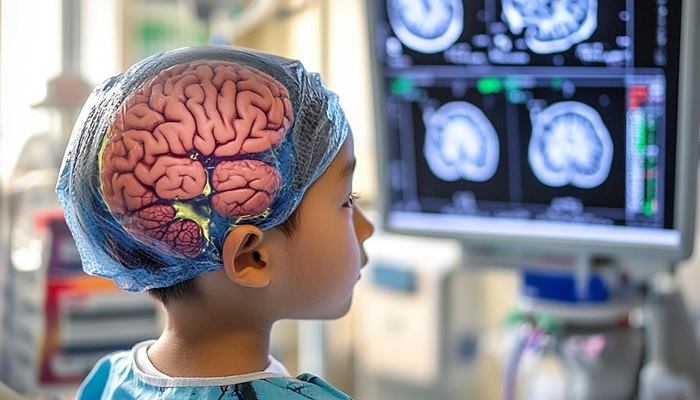
Systemic therapy is one of the treatment approaches that can be used to manage pediatric brain tumors. Unlike local therapies that target only a specific area, systemic therapy uses medications that travel through the bloodstream, allowing them to reach tumor cells throughout the body, including cancer cells that may have spread or are difficult to treat with local therapies such as surgery or radiation therapy. Systemic treatment options for pediatric brain tumors include chemotherapy, targeted therapy, and immunotherapy, with the most appropriate option determined by the type of tumor, its genetic characteristics, and the child’s overall condition.
At Mandaya Royal Hospital Puri, systemic therapy for pediatric brain tumors is provided by dr. Ludi Dhyani Rahmartani, Sp.A, Subsp. H.Onk (K), a pediatric hematology-oncology specialist. She performs a comprehensive evaluation to determine the most appropriate treatment based on the diagnosis, disease stage, diagnostic test results, and each child’s individual needs, ensuring personalized and optimal care.

Contents
Types of Systemic Therapy for Pediatric Brain Tumors
The following are some of the systemic treatment options available for pediatric brain tumors:
1. Chemotherapy
Chemotherapy is a cancer treatment that uses medications to destroy cancer cells. Chemotherapy drugs may be given orally in pill form or administered intravenously through an infusion. In certain cases, chemotherapy medication may also be placed directly into the brain tissue during surgery.
Chemotherapy can be used to treat both malignant brain tumors and benign brain tumors. In some situations, it is combined with radiation therapy to improve treatment effectiveness.
2. Targeted Therapy
Targeted therapy uses medications designed to attack specific molecules or chemicals found within tumor cells. By blocking these targets, the treatment can cause tumor cells to stop growing and eventually die.
Targeted therapy is available for certain types of malignant and benign brain tumors. Tumor cells may be tested beforehand to determine whether targeted therapy is likely to be effective for a particular patient.
3. Immunotherapy
Immunotherapy is a type of treatment that helps the body’s immune system fight cancer.
Under normal conditions, the immune system recognizes and destroys abnormal or foreign cells, including bacteria, viruses, and even cancer cells. However, tumor cells can sometimes evade detection because they closely resemble normal cells or possess characteristics that allow them to “hide” from the immune system.
Some forms of immunotherapy help the immune system recognize and target cancer cells more effectively, while others enhance the body’s overall immune response against cancer. Various immunotherapy approaches continue to be developed and studied for treating different types of cancer, including brain tumors.
Watch for the Signs and Symptoms of Pediatric Brain Tumors
The symptoms of pediatric brain tumors can vary depending on the tumor’s location, size, and growth rate. As a result, each child may experience different signs and symptoms.
Common symptoms of pediatric brain tumors include:
- Headaches that become more frequent or more severe.
- Nausea and vomiting.
- Vision changes, such as double vision. In children who are not yet able to speak, parents may notice frequent squinting or covering one eye when looking at objects.
Other possible symptoms include:
- A bulging or swollen soft spot (fontanelle) in infants.
- Changes in eye movements.
- Confusion or increased irritability.
- Balance problems.
- Hearing difficulties.
- Memory problems.
- Personality or behavioral changes.
- Seizures, especially in children with no previous history of seizures.
- Slurred or unclear speech.
- Difficulty walking.
- Difficulty swallowing.
- Weakness or facial drooping on one side of the face.
- Weakness or decreased sensation in an arm or leg.
Understanding the Role of a Pediatric Hematology-Oncology Specialist
Systemic therapy for pediatric brain tumors is typically managed by a pediatric hematology-oncology specialist.
A pediatric hematologist-oncologist is a physician with specialized training and expertise in diagnosing, treating, and managing blood disorders and cancers in children, adolescents, and young adults.
These specialists treat a wide range of conditions, including:
- Childhood cancers such as leukemia, lymphoma, brain tumors, bone tumors, and other solid tumors.
- Blood disorders affecting white blood cells, red blood cells, and platelets.
- Bleeding disorders and blood clotting disorders.
With this expertise, pediatric hematology-oncology specialists play a vital role in establishing diagnoses, developing individualized treatment plans, and monitoring treatment responses in children with cancer and blood disorders.
Pediatric Hematology-Oncology Specialist at Mandaya Royal Hospital Puri

dr. Ludi Dhyani Rahmartani, Sp.A, Subsp. H.Onk (K) is a pediatric hematology-oncology specialist with expertise in treating a wide range of pediatric blood disorders and cancers. She provides comprehensive care, from diagnosis and treatment planning to ongoing monitoring throughout the treatment process.
Dr. Ludi earned her medical degree from the University of Indonesia in 2002. She completed her Pediatric Residency at the same university in 2015 and subsequently finished her Pediatric Hematology-Oncology Subspecialty Training there in 2021.
At Mandaya Royal Hospital Puri, Dr. Ludi’s areas of expertise include:
- Thalassemia and other pediatric blood disorders.
- Pediatric brain tumors.
- Systemic cancer therapies for children, including chemotherapy, targeted therapy, and immunotherapy.
- Bone marrow transplantation.
Parents who wish to consult about blood disorders or childhood cancers, including brain tumors, can meet dr. Ludi Dhyani Rahmartani, Sp.A, Subsp. H.Onk (K) at Mandaya Royal Hospital Puri during the following clinic schedule:
- Thursday: 5:30 PM – 7:30 PM
To make your visit to Mandaya Royal Hospital Puri more convenient, you can contact us via WhatsApp, book an appointment online, or download the Care Dokter application from Google Play or the App Store to schedule appointments, monitor queue numbers, and access additional hospital information.
The information provided on this page is intended for educational purposes and general information only. It does not represent the complete range of medical services that may be provided by each physician. To receive treatment tailored to your specific condition, please consult the appropriate doctor directly.
If you have any questions, suggestions, or require additional information, please contact our call center at 0811-1900-2000.

References
- National Cancer Institute. Systemic Therapy. https://www.cancer.gov/publications/dictionaries/cancer-terms/def/systemic-therapy
- Mayo Clinic. Brain Tumor – Diagnosis and Treatment. https://www.mayoclinic.org/diseases-conditions/brain-tumor/diagnosis-treatment/drc-20350088
- UCSF Brain Tumor Center. Immunotherapy. https://braintumorcenter.ucsf.edu/treatment/experimental-diagnostics-therapies/immunotherapy
- Mayo Clinic. Pediatric Brain Tumor – Symptoms and Causes. https://www.mayoclinic.org/diseases-conditions/pediatric-brain-tumor/symptoms-causes/syc-20361694
- HealthyChildren.org. What Is a Pediatric Hematologist-Oncologist? https://www.healthychildren.org/English/family-life/health-management/pediatric-specialists/Pages/What-is-a-Pediatric-Hematologist-Oncologist.aspx