


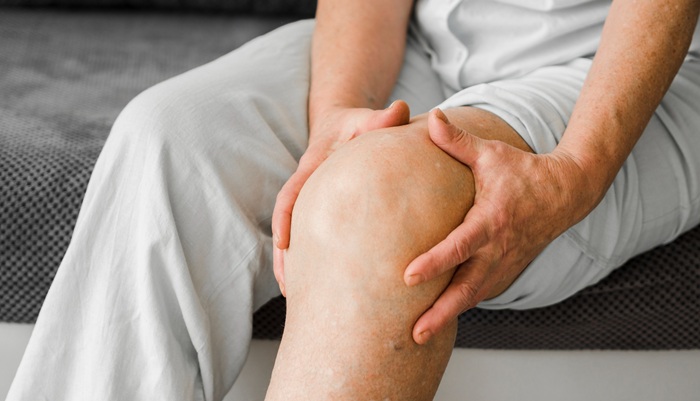
Leg swelling can affect one or both legs, ranging from the feet and ankles to the calves and thighs. This condition is generally caused by fluid buildup in body tissues (fluid retention) or inflammation resulting from damage to tissues or joints.
In some cases, leg swelling may be triggered by relatively mild conditions, such as an injury or sitting or standing for too long. However, if the swelling occurs in only one leg, it may also be associated with more serious health problems, such as circulatory disorders or blood clots. Therefore, it is important to understand the possible causes of swelling in one leg and recognize the warning signs that should not be ignored.

Contents
What Are the Causes of Swelling in One Leg?
Swelling in one leg can be caused by various conditions, ranging from blood vessel disorders and lymphatic system problems to injuries and infections. Here are some possible causes to be aware of:
1. Deep Vein Thrombosis (DVT)
Deep vein thrombosis (DVT) is a condition in which a blood clot forms in a deep vein, most commonly in the legs.
This condition requires attention because the blood clot can break loose and travel through the bloodstream to the lungs, causing a pulmonary embolism. This is a serious condition that can be life-threatening.
Some symptoms of DVT to recognize include:
- Swelling in one leg.
- Pain or tenderness in the affected leg.
- The skin around the swollen area feels warmer than usual.
- Skin discoloration, such as redness or a darker appearance.
- A feeling of heaviness or aching in the leg.
DVT requires prompt medical evaluation and treatment. Doctors usually perform tests such as a Doppler ultrasound to assess blood flow and determine whether a blood clot is present.
2. Chronic Venous Insufficiency (CVI)
Chronic venous insufficiency (CVI) is a condition in which the valves in the veins do not function properly. As a result, blood has difficulty flowing back toward the heart and instead accumulates in the veins of the legs.
This blood buildup increases pressure inside the veins, potentially causing swelling and discomfort in the legs.
Symptoms of chronic venous insufficiency include:
- Aching, pain, or a feeling of heaviness in the legs.
- Varicose veins, which appear as enlarged and twisted veins.
- Darkening of the skin on the legs.
- Thickening or changes in skin texture.
- Leg ulcers that are difficult to heal, particularly in more advanced cases.
CVI generally develops gradually and can affect quality of life if left untreated. Treatment may include compression stockings, lifestyle changes, and certain medical procedures to help improve blood flow.
3. Lymphedema
Lymphedema is swelling caused by the buildup of lymph fluid in body tissues. It occurs when the lymphatic system, a network responsible for draining lymph fluid, becomes damaged or blocked.
Lymphedema can cause swelling in one leg and may develop gradually. It can occur after surgery, cancer treatment, infections, or injuries affecting the lymph nodes. In some cases, lymphedema may also be present from birth.
Some signs of lymphedema include:
- Persistent swelling that does not improve significantly with rest.
- A feeling of heaviness, tightness, or pulling in the affected leg.
- Thickening or hardening of the skin in the swollen area.
- Recurrent infections in the affected leg.
Although lymphedema cannot always be completely cured, it can be managed through compression therapy, specialized exercises, and lymphatic drainage therapy. Early treatment is important to help reduce swelling and prevent complications.
4. Leg Injuries or Trauma
Injuries can also cause swelling in one leg. This may occur due to sprains, muscle or tendon strains, fractures, or bruising caused by an impact.
Swelling is usually a natural response to tissue damage following an injury. However, it may not become noticeable until some time after the activity or impact that caused it.
Swelling caused by an injury is generally accompanied by:
- Pain when moving the leg.
- Tenderness when touching the affected area.
- Difficulty standing or bearing weight.
- Bruising or skin discoloration.
- Redness around the injured area.
For minor injuries, such as bruises or mild sprains, initial treatment can be provided using the RICE method (Rest, Ice, Compression, Elevation). This involves resting the leg, applying a cold compress, using a compression bandage, and elevating the leg.
However, if the swelling is severe, the leg is difficult to move, or you cannot bear weight on it, seek medical attention promptly to rule out a more serious injury.
5. Skin and Soft Tissue Infections
Infections can also cause swelling in one leg. One example is cellulitis, a bacterial infection of the skin and the soft tissue beneath it.
Bacteria can enter the body through cuts, scratches, or breaks in the skin. The risk of infection may be higher in people with poor circulation or weakened immune systems.
Cellulitis requires prompt treatment because the infection can spread to surrounding tissues and may even enter the bloodstream.
Symptoms of a leg infection include:
- Redness and warmth in the affected skin.
- Swelling and pain in the affected area.
- Fever or chills.
- Rapidly spreading swelling and redness.
Cellulitis generally requires antibiotics prescribed by a doctor. If you experience these symptoms, seek medical attention promptly to prevent the infection from developing into more serious complications.
6. Peripheral Arterial Disease (PAD)
Peripheral arterial disease (PAD) is a condition in which plaque builds up inside the arteries. This buildup causes the arteries to narrow, reducing blood flow to the legs.
PAD is more commonly characterized by leg pain or cramping when walking or engaging in physical activity. In certain cases, severe circulation problems may also be accompanied by swelling.
Other symptoms that may occur with PAD include:
- Pain or cramping in the leg muscles, especially when walking.
- Pale-looking or unusually cold skin on the legs.
- Weak or reduced pulses in the feet.
- Foot or leg wounds that are difficult to heal.
PAD requires medical attention because it can increase the risk of heart attack and stroke. Doctors may perform tests to assess blood flow in the legs and determine the appropriate treatment, ranging from lifestyle changes and medication to certain medical procedures.
7. Other Possible Causes of Swelling in One Leg
In addition to the conditions above, swelling in one leg may also be caused by several other health problems, such as:
- Baker’s cyst: A fluid-filled sac that develops behind the knee. If it becomes enlarged or ruptures, it can cause pain and swelling that extends into the calf.
- Tumors: In rare cases, a tumor can press against blood vessels or lymph nodes, obstructing blood or lymph fluid flow and causing leg swelling.
- Medication side effects: Certain medications can cause fluid retention or swelling, including corticosteroids and calcium channel blockers used to treat high blood pressure.
If swelling in one leg has no clear cause, persists, or continues to worsen, consult a doctor promptly. Medical evaluation is necessary to identify the underlying cause so that appropriate treatment can be provided.
When Should You See a Doctor for Swelling in One Leg?
Swelling in one leg should not be taken lightly, especially when accompanied by other symptoms that may indicate blood vessel or heart problems. Some warning signs may even suggest that a blood clot has traveled to the lungs (pulmonary embolism) or that a serious heart condition is present.
Seek immediate medical attention if leg swelling is accompanied by any of the following symptoms:
- Chest pain or pressure.
- Difficulty breathing.
- Shortness of breath during physical activity or while lying down.
- Fainting or feeling as though you are about to lose consciousness.
- Coughing up blood.
You should also visit the emergency department if:
- One leg suddenly becomes swollen without an obvious cause.
- Swelling develops after physical trauma, such as a fall, a sports injury, or a vehicle accident.
- Only one leg is swollen, particularly if accompanied by pain, unusually cold skin, or pale discoloration.
These symptoms require prompt evaluation to identify the cause of the swelling and prevent more serious complications. If you experience chest pain, shortness of breath, fainting, or coughing up blood, go to the emergency department or contact emergency services immediately.
How to Treat Swelling in One Leg
Treatment for swelling in one leg depends on the underlying cause. Several approaches may help reduce swelling, including:
- Elevating the leg: Place your leg on a pillow so that it is positioned higher than your heart to help reduce fluid buildup.
- Compression therapy: Wear compression stockings or use specialized devices as recommended by your doctor to help improve blood and lymphatic circulation.
- Making lifestyle changes: Engage in regular light exercise, reduce salt intake, and avoid sitting or standing for prolonged periods.
- Lymphedema therapy: If swelling is caused by lymphedema, your doctor may recommend a combination of exercises, manual lymphatic drainage, skin care, and compression therapy.
- Treating the underlying cause: If swelling is caused by an infection, blood clot, or heart and blood vessel disorder, specific treatment will be needed based on your doctor’s diagnosis.
If leg swelling develops suddenly, especially when it affects only one leg, seek medical attention promptly to identify the cause and receive appropriate treatment.
Facilities for Out-of-Town and International Patients at Mandaya Royal Hospital Puri


Mandaya Royal Hospital Puri provides various support facilities to ensure greater comfort for patients traveling from other cities or countries:
- VIP Transport: A pickup service from Soekarno-Hatta International Airport, train stations, or seaports to the hospital in a comfortable vehicle, accompanied by a Patient Experience Officer (PEO).
- Medical Ambulance Pickup: A dedicated pickup service for patients with specific medical needs from arrival points, including airports, train stations, and seaports. The service is equipped with medical equipment and supported by professional healthcare personnel.
- Accommodation (Sleep Hub and Apartments): Comfortable accommodation facilities for patients’ families and companions, located on the 8th floor of the Mandaya Royal Puri building, with additional nearby apartment options.
- International Patient Relation: Dedicated assistance for international patients with medical coordination, interpretation, and administrative arrangements. For information and assistance from the International Patient Relation team, you can call 021 5092 8888 or email [email protected].
To make your visit to Mandaya Royal Hospital Puri easier, you can use the WhatsApp chat feature, Book Appointment service, or the Care Dokter app, available for download on Google Play and the App Store. These services can help you arrange appointments, check queue numbers, and access other important information.
The information on this page is provided for educational purposes and as a general overview. It does not reflect every type of medical service that may be performed by each doctor. To ensure that you receive care appropriate to your health condition, we recommend consulting directly with the relevant doctor.
If you have any questions, suggestions, or need further information, please contact our call center at 0811-1900-2000.

References:
- CV Health Clinic. 7 Possible Causes of Swelling in Only One Leg. (https://cvhealthclinic.com/news/7-possible-causes-of-swelling-in-only-one-leg/). Accessed on November 4, 2026.
- Mayo Clinic. Leg Swelling: Causes. (https://www.mayoclinic.org/symptoms/leg-swelling/basics/causes/sym-20050910). Accessed on November 4, 2026.
- Tactile Medical. Edema in One Leg: What Causes Swelling in One Leg Only? (https://tactilemedical.com/resource-hub/cellulitis-and-edema/edema-in-one-leg-what-causes-swelling-in-one-leg-only/). Accessed on November 4, 2026.