


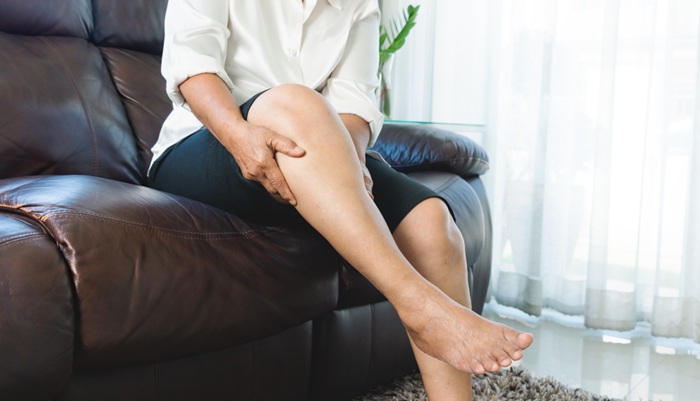
Swelling after fracture surgery is a fairly common condition during the recovery period. However, if the swelling persists for a long time or worsens, it may indicate a problem in the lymphatic system, leading to lymphedema that requires further treatment.
At the Lymphedema Center of Mandaya Puri Hospital, post-operative swelling therapy does not only focus on conventional care but is also supported by modern medical approaches, such as lymphatic bypass procedures to overcome blockages in lymph fluid flow, as well as rehabilitation using compression device technology to support healing and reduce swelling.

Contents
Why Does Swelling Occur After Fracture Surgery?
When hearing the term lymphedema, many people immediately associate it with cancer treatment. In fact, this condition can also occur after orthopedic procedures, including fracture surgery. If you experience swelling in your leg after surgery, accompanied by a feeling of heaviness or stiffness, it may not just be part of the normal recovery process—it could be lymphedema.
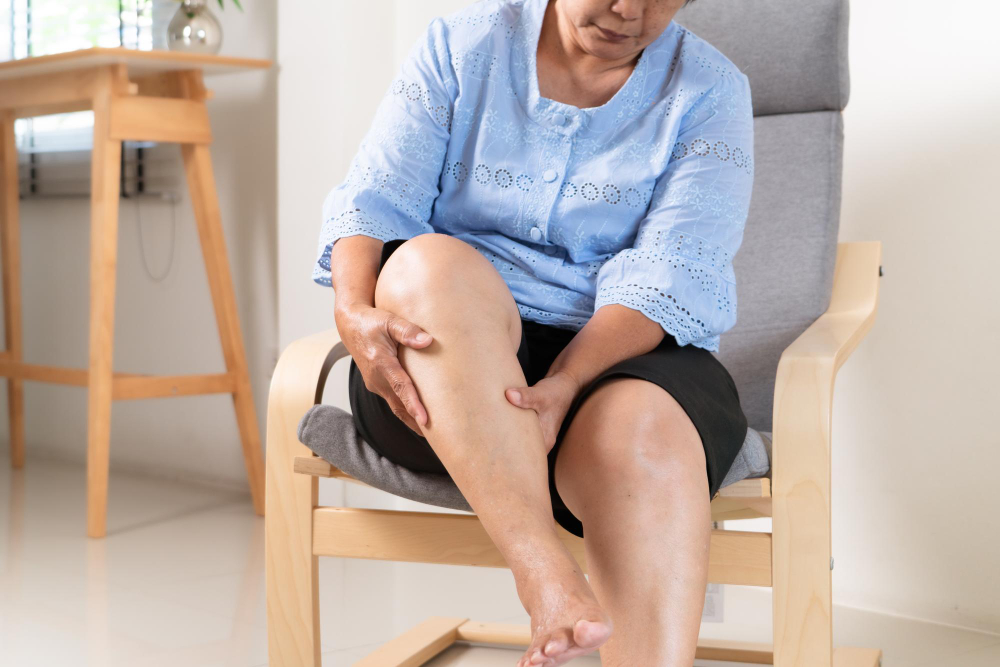
Lymphedema is a type of chronic swelling that occurs when the lymphatic system (the body’s natural “waste drainage” system) becomes slow or blocked. This condition generally affects the arms or legs but can also appear in other parts of the body.
If caused by surgery or trauma, this condition is referred to as secondary lymphedema. In orthopedic cases, lymphedema may appear weeks to months after the procedure.
Orthopedic surgery involves joints, bones, and surrounding soft tissues. Even when performed carefully, there is still a possibility that the lymphatic system may be affected.
Here are several factors that can trigger lymphedema after surgery:
1. Damage to lymphatic vessels
Procedures such as hip or knee replacement surgery can disrupt small lymphatic vessels. When these vessels are cut or compressed, lymph fluid may accumulate due to impaired flow.
2. Post-surgical inflammation
Mild swelling after surgery is normal due to inflammation. However, if inflammation persists or becomes excessive, the lymphatic system may be overwhelmed, especially in patients with pre-existing circulatory or lymphatic issues.
3. Limited mobility
During recovery, body movement is often restricted. In fact, muscle contractions play an important role in helping lymph fluid circulation. Without sufficient movement, post-operative swelling can increase, especially in the legs.
4. Scar tissue and adhesions
Scar tissue formed after surgery can press on or obstruct lymphatic pathways, particularly if the healing process is not optimal. This can make lymphedema more difficult to manage.
5. Use of a tourniquet
The use of a tourniquet during orthopedic surgery to control bleeding can temporarily restrict blood and lymph flow. If applied for a prolonged period, it may contribute to post-operative complications.
Is Your Swelling Lymphedema or Part of Normal Recovery?
Swelling after surgery is common. However, if it does not improve over time, becomes painful, or interferes with daily activities, you should consult a doctor, such as dr. Sara Ester Triatmoko, Sp.B.P.R.E., Subsp.M.O. (K), a plastic, reconstructive, and aesthetic surgeon with a subspecialty in microsurgical reconstruction and oncoplasty at the Lymphedema Center of Mandaya Royal Puri Hospital.
By consulting with dr. Sara, your condition can be properly evaluated, and the most appropriate treatment can be determined.
Here are signs of post-fracture surgery lymphedema to watch out for:
- Swelling in part or all of the arm or leg, including fingers or toes
- A feeling of heaviness or tightness
- Limited range of motion
- Recurring infections
- Hardening and thickening of the skin (fibrosis)
To confirm whether your condition is lymphedema, you can consult directly with dr. Sara at the Lymphedema Center of Mandaya Royal Puri Hospital.
Post-Fracture Swelling Therapy at Mandaya Royal Puri Hospital
Treatment of post-operative swelling at the Lymphedema Center of Mandaya Royal Puri Hospital is carried out comprehensively by a multidisciplinary team. This team consists of plastic and reconstructive surgeons with microsurgical and oncoplastic subspecialties, working together with rehabilitation medicine specialists and nurses to provide holistic care.
1. Lymphatic Bypass Procedure
One of the flagship methods for treating lymphedema at the Lymphedema Center is the lymphatic bypass procedure. This treatment is intended for patients experiencing swelling due to impaired lymphatic flow, with the goal of creating an alternative pathway so that lymph fluid can flow more smoothly.
According to dr. Sara, patients who begin to experience swelling should seek medical evaluation early to receive appropriate treatment. This procedure involves connecting lymphatic vessels to small blood vessels (venules), allowing lymph fluid to bypass the blockage.
The technique used is highly precise supermicrosurgery, performed with the assistance of the Kinevo 900 microscope, which enables detailed visualization of very small vessels.
Before the procedure, doctors perform lymphatic mapping using contrast agents to identify problematic areas. Based on these results, the optimal site for bypass is determined.
The affected lymphatic vessels are then connected to venules, creating a new pathway that allows lymph fluid to flow directly into the venous system. This can significantly reduce swelling.
This procedure is known as Lymphaticovenular Anastomosis (LVA), a minimally invasive technique aimed at treating lymphedema by redirecting lymph flow into nearby small veins.
2. Rehabilitation
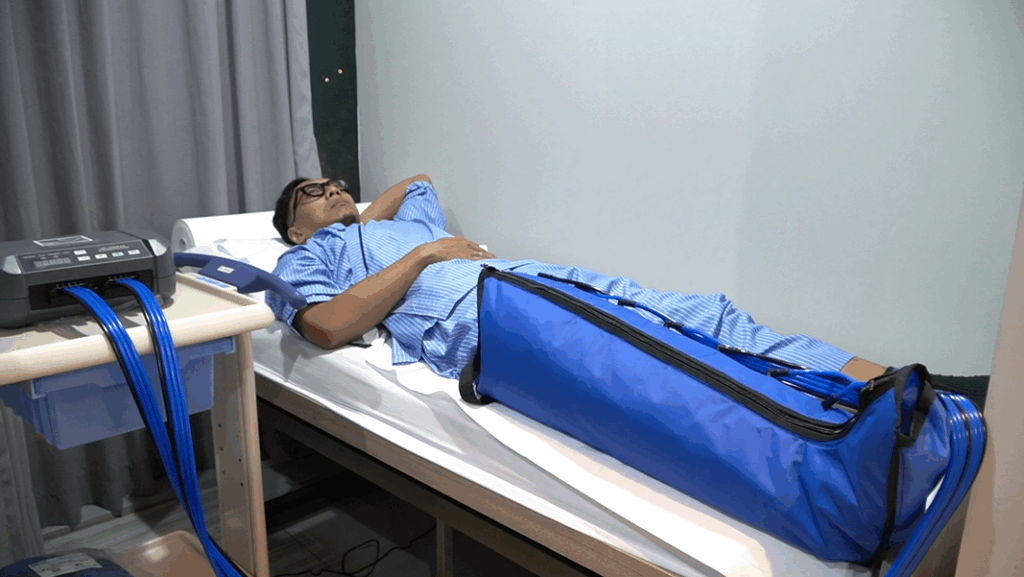
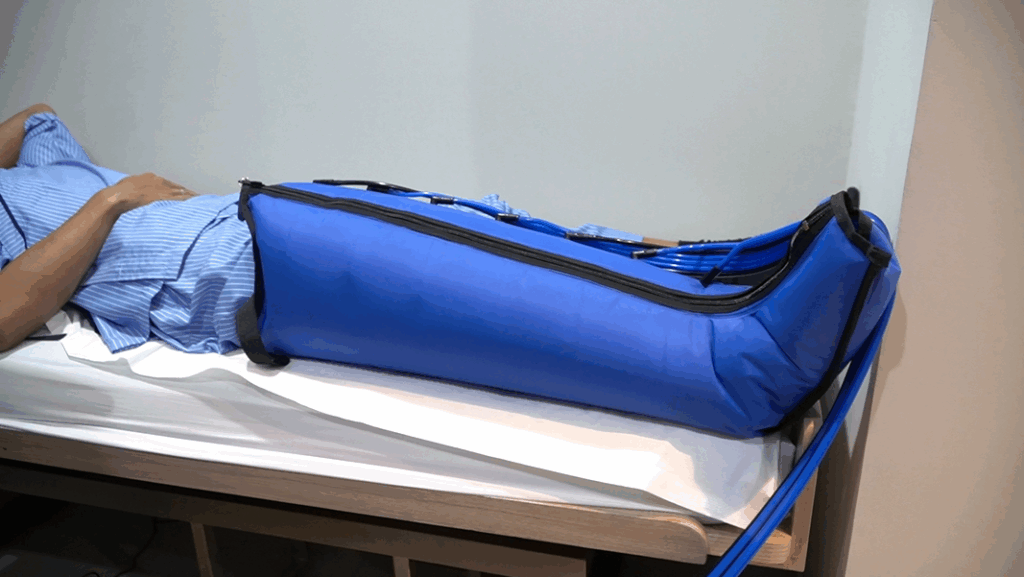
After undergoing the lymphatic bypass procedure with dr. Sara, patients can continue therapy with the rehabilitation team to optimize treatment outcomes. One of the methods used is compression devices, which are pneumatic pumps that apply alternating pressure to the affected area.
These devices are used together with special sleeves worn on the arm or leg. The pressure helps maintain lymph fluid movement through lymphatic and venous vessels while preventing fluid buildup.
In addition to reducing swelling, compression therapy can also lower the risk of lymphedema complications and support optimal recovery.
Lymphedema Center Medical Team at Mandaya Royal Puri Hospital
Lymphedema treatment at Mandaya Royal Puri Hospital is supported by an experienced multidisciplinary team:
1. dr. Sara Ester Triatmoko, Sp.B.P.R.E., Subsp.M.O. (K)
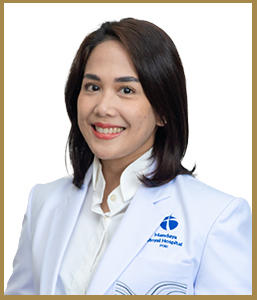
A plastic, reconstructive, and aesthetic surgeon with a subspecialty in microsurgical reconstruction and oncoplasty, dr. Sara focuses on restoring both function and form. Her expertise covers post-cancer reconstruction, trauma repair, burn management, and correction of congenital abnormalities. Through precise microsurgical techniques, she helps improve both physical structure and overall quality of life.
Practice schedule:
- Tuesday: 5:00 PM – 7:30 PM
- Thursday: 5:00 PM – 7:30 PM
2. dr. Andre Sugiyono, Sp.KFR
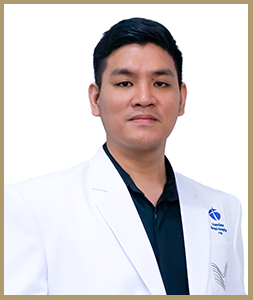
A Physical Medicine and Rehabilitation specialist trained at Atma Jaya Catholic University and the University of Indonesia, with expertise in electrotherapy, physiotherapy, hydrotherapy, and post-stroke rehabilitation.
Practice schedule:
- Monday–Friday: 8:30 AM – 3:30 PM
- Saturday: 2:30 PM – 7:00 PM
3. dr. Eugene Nathania, Sp.KFR
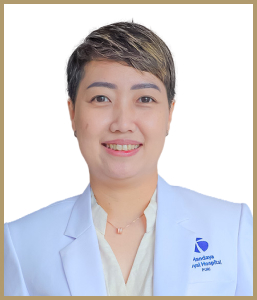
A Physical Medicine and Rehabilitation specialist from the University of Indonesia, experienced in obstetric rehabilitation, taping, manual therapy, dry needling, and musculoskeletal pain management.
Practice schedule:
- Monday–Saturday: 8:00 AM – 2:00 PM
4. dr. Johanes Putra, Sp.KFR

A Physical Medicine and Rehabilitation specialist trained at Atma Jaya University and the University of Indonesia, with expertise in musculoskeletal rehabilitation and interventional pain management.
Practice schedule:
- Monday–Friday: 2:30 PM – 8:00 PM
- Saturday: 8:00 AM – 2:00 PM
In addition to specialist doctors, lymphedema care at Mandaya Royal Puri Hospital is also supported by trained and experienced nursing staff to ensure integrated and optimal patient care.
What Happens If Lymphedema Is Left Untreated?
Possible complications include:
- Skin infections (cellulitis), characterized by swelling, redness, pain, and warmth
- Sepsis, a severe and potentially life-threatening infection
- Leakage of lymph fluid through the skin or blister formation
- Thickened and hardened skin (similar to elephant skin)
- Soft tissue cancer (rare, in severe untreated cases)
To make your visit easier, patients can use WhatsApp Chat, Book Appointment, or the Care Dokter app available on Google Play and the App Store. These services allow patients to schedule consultations, check queue numbers, and access important hospital information.
The information provided on this page is for educational purposes and general overview only, and may not represent all medical services available. For appropriate treatment, direct consultation with a doctor is recommended.
If you have questions, suggestions, or need further information, please contact our call center at 0811-1900-2000.