


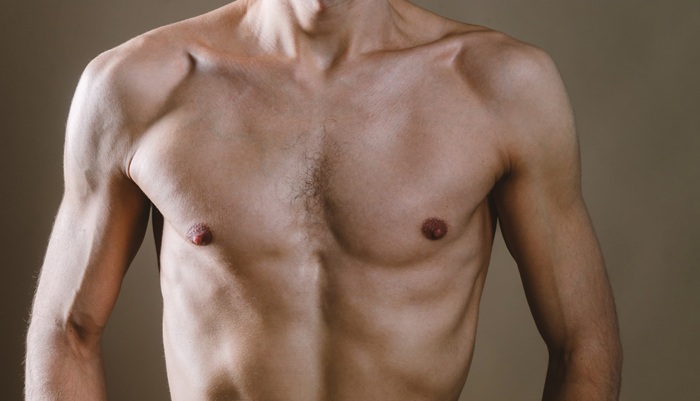
Sunken chest, or pectus excavatum, is a congenital condition characterized by the inward growth of the breastbone (sternum), causing the middle of the chest to appear sunken. This condition can create a significant indentation in the chest wall, involving four to five ribs on each side.
Pectus excavatum is also known as sunken chest or funnel chest. This deformity can reduce the space inside the chest cavity, potentially affecting heart and lung function.
Pectus excavatum is a congenital condition, meaning it is present at birth. However, it generally becomes more noticeable during early adolescence. The condition can be corrected through minimally invasive surgery or conventional open surgery.

Contents
What Causes Sunken Chest or Pectus Excavatum?
The exact cause of pectus excavatum is not yet known. However, some experts suspect that the condition is associated with abnormalities in connective tissue, particularly the cartilage connecting the breastbone to the ribs.
Abnormal cartilage growth is thought to cause the breastbone to develop inward. Genetic factors may also play a role in the development of this condition.
Several factors that may increase a person’s risk of developing pectus excavatum include:
- Having a family history of pectus excavatum.
- Having connective tissue disorders, such as Marfan syndrome, Ehlers-Danlos syndrome, or osteogenesis imperfecta.
- Having certain genetic conditions, such as Noonan syndrome or Turner syndrome.
Symptoms of Sunken Chest: More Than Just a Cosmetic Concern
Pectus excavatum does not only affect the appearance of the chest but can also cause physical and psychological problems. The severity of symptoms may vary from person to person, depending on the condition and depth of the chest indentation.
Physical symptoms may include:
- Shortness of breath, especially during exercise or physical activity.
- Lower stamina compared to people of the same age.
- Feeling tired easily.
- Chest pain.
- Irregular heartbeat.
- Heart palpitations.
Meanwhile, psychological symptoms may include:
- Feeling embarrassed or self-conscious about the appearance of the chest.
- Low self-esteem.
- Clinical depression.
What Are the Risks of Leaving Pectus Excavatum Untreated?
In some cases, pectus excavatum can lead to serious complications affecting heart function, lung function, and mental health.
1. Heart and Lung Problems
If the indentation in the breastbone is deep enough, the lungs may not have sufficient space to expand optimally. The condition can also compress the heart and even push it toward the left side, potentially interfering with its ability to pump blood.
As a result, individuals with pectus excavatum may experience several symptoms, including:
- Reduced ability to exercise or perform physical activities.
- Shortness of breath.
- Rapid heartbeat.
- Chest pain or pressure.
2. Low Self-Confidence Due to Physical Appearance
Many people with pectus excavatum also tend to have a forward-leaning posture. In addition, the lower ribs may appear more prominent, while the shoulders tend to round forward.
These changes in chest shape can cause emotional distress because individuals may feel less confident about their appearance. Some people even avoid activities that expose their chest, such as swimming, or choose to wear certain types of clothing to conceal the chest indentation.
Treating Pectus Excavatum with the NUSS Procedure at Mandaya Royal Puri

dr. Wirya Ayu Graha, Sp.BTKV, Subsp. JD(K), a thoracic, cardiac, and vascular surgeon specializing in adult cardiac surgery at Mandaya Royal Hospital Puri, is qualified to perform the NUSS procedure. This is a minimally invasive surgical technique used to correct pectus excavatum, a condition in which the breastbone curves inward. The procedure involves inserting a specially designed metal bar into the chest cavity to lift the sunken breastbone and restore it to a more normal position.
One of the advantages of the NUSS procedure at Mandaya Royal Hospital Puri is the use of the Da Vinci Xi robotic system. This technology helps doctors separate the chest wall from surrounding tissues, including areas close to the heart and lungs. With enhanced visualization, doctors can monitor the chest cavity, identify potential bleeding, and minimize the risk of injury to vital organs during the procedure.
In addition to surgical precision, managing postoperative pain is also an important consideration. For this purpose, doctors may use a method called cryoneurolysis, a technique that temporarily deactivates the nerves responsible for transmitting pain signals in the area where the metal bar is placed. The pain-relieving effects of this method can last approximately 2–3 months.
In the next stage, the doctor inserts two metal bars to lift the sunken breastbone. This procedure aims to improve the shape of the chest cavity and bring it closer to a normal appearance.
Patients who wish to consult about pectus excavatum or other conditions related to thoracic, cardiac, and vascular surgery can schedule an appointment with dr. Wirya at Mandaya Royal Hospital Puri according to the following practice schedule:
- Tuesday: 4:30 PM–8:00 PM (WIB)
- Thursday: 4:30 PM–8:00 PM (WIB)
- Saturday: 10:00 AM–1:00 PM (WIB)
Facilities for Out-of-Town and International Patients at Mandaya Royal Hospital Puri

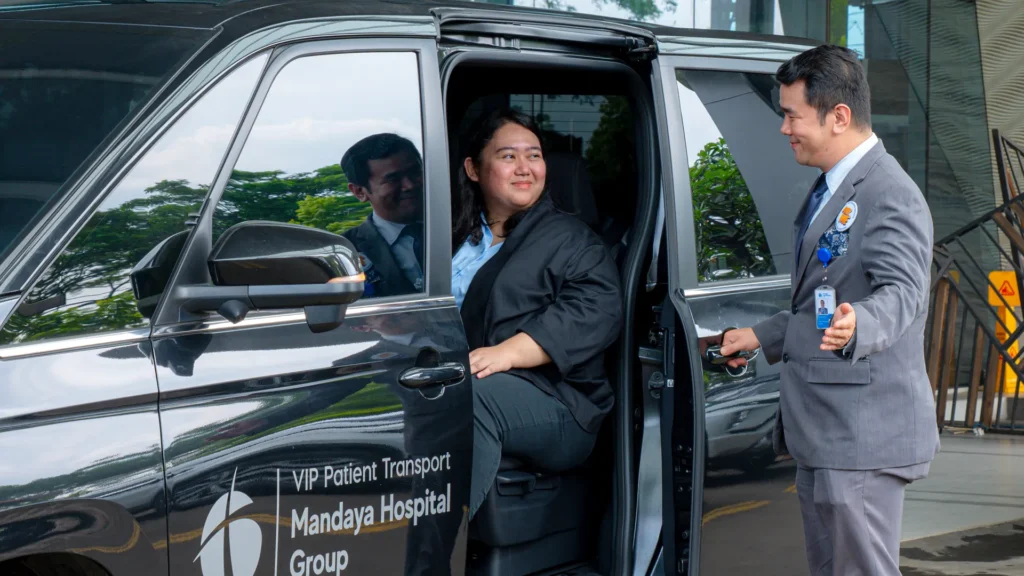
Mandaya Royal Hospital Puri provides various supporting facilities to ensure extra comfort for patients traveling from other cities or overseas:
- VIP Transport: A pick-up service from Soekarno-Hatta International Airport, train stations, or seaports to the hospital using comfortable vehicles accompanied by a Patient Experience Officer (PEO).
- Medical Ambulance Pick-Up: A dedicated pick-up service for patients with specific medical conditions from arrival points (airports, train stations, or seaports), equipped with medical equipment and accompanied by professional healthcare personnel.
- Accommodation (Sleep Hub & Apartments): Comfortable accommodation facilities for patients’ families, located directly on the 8th floor of the Mandaya Royal Puri building, as well as nearby apartment options.
- International Patient Relation: Dedicated assistance for international patients, covering medical coordination, interpretation services, and administrative arrangements. For information and assistance from the International Patient Relation team, please contact 021 5092 8888 or email [email protected].
To make your visit to Mandaya Royal Hospital Puri more convenient, you can use the WhatsApp Chat feature, Book Appointment service, or the Care Dokter application, available for download on Google Play and the App Store. These services make it easier to arrange visits, check queue numbers, and access other important information.
The information provided on this page is intended for educational purposes and general reference only. It does not represent the full range of medical services that each doctor may perform. To ensure that you receive treatment appropriate to your health condition, we recommend consulting directly with the relevant doctor.
If you have any questions, suggestions, or require further information, please contact our call center at 0811-1900-2000.

References:
- Mayo Clinic. Pectus Excavatum – Symptoms and Causes. (https://www.mayoclinic.org/diseases-conditions/pectus-excavatum/symptoms-causes/syc-20355483). Accessed November 26, 2026.
- Cleveland Clinic. Pectus Excavatum: Symptoms, Causes & Treatment. (https://my.clevelandclinic.org/health/diseases/17328-pectus-excavatum). Accessed November 26, 2026.