


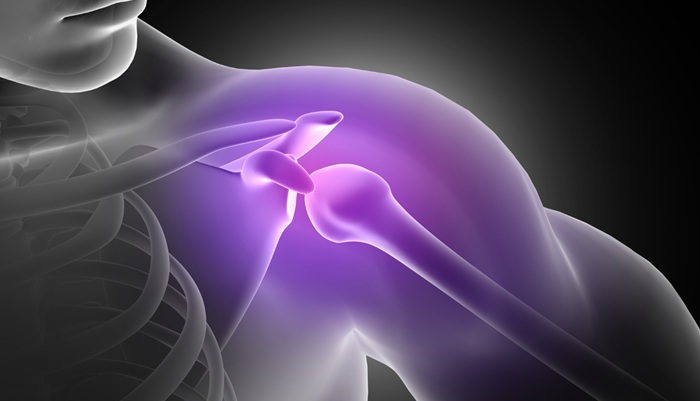
A shoulder dislocation is an injury that occurs when the upper arm bone comes out of the cup-shaped socket in the shoulder blade. This condition can result from an impact, a fall, or sports involving arm and shoulder movements, such as padel, basketball, soccer, or weightlifting. The shoulder is the most flexible joint in the body, making it more susceptible to dislocation.
If you suspect a shoulder dislocation, seek medical attention immediately. Most people can regain normal shoulder function within a few weeks, depending on the severity of the injury and the treatment received. However, after experiencing a shoulder dislocation, the risk of recurrent dislocations increases.

Contents
Types of Shoulder Dislocations
Shoulder dislocations can be classified according to how far the bones in the joint have shifted from their normal positions:
- Complete dislocation: The bones in the joint become completely separated and move out of their normal positions.
- Subluxation: A partial dislocation in which the bones in the joint shift from their normal positions but remain in partial contact with each other.
What Are the Symptoms of a Shoulder Dislocation?
Symptoms of a shoulder dislocation can vary depending on the severity of the injury. Common symptoms include:
- Severe shoulder pain.
- Shoulder weakness.
- Difficulty moving the arm or an inability to move it.
- A visibly deformed shoulder or one that appears out of its normal position.
- Swelling.
- Bruising or skin discoloration.
- Muscle spasms.
- Numbness, tingling, or weakness in the arm, hand, or fingers.
Causes and Risk Factors of Shoulder Dislocation
A shoulder dislocation can occur when a force or impact is strong enough to push the shoulder joint out of its normal position. Common causes include:
- Falls, particularly when landing on the arm or shoulder.
- Motor vehicle accidents.
- Sports injuries, especially in sports involving physical contact or sudden arm movements.
Anyone can experience a shoulder dislocation. However, certain groups have a higher risk, including:
- Athletes who participate in contact sports.
- Men.
- People aged 15–30.
- People who have previously experienced a shoulder dislocation, as a previous dislocation can increase the risk of recurrence.
Read also: 8 Types of Sports Injuries to Watch Out For and How They Are Treated
Treatment for Shoulder Dislocation
If you suspect a shoulder dislocation, there are several steps you can take while waiting for medical treatment. Apply an ice pack or a bag of frozen vegetables wrapped in a towel to the shoulder for no more than 20 minutes every 2–3 hours to help relieve pain and swelling. Support the injured arm with an arm sling or towel to keep it stable. You may also take paracetamol for pain relief according to the dosage instructions on the packaging. Do not attempt to put the shoulder back into place yourself, and seek medical attention immediately.
1. Reduction of the Dislocated Shoulder
The primary treatment for a shoulder dislocation is to return the upper arm bone to its normal position inside the shoulder socket. A doctor performs this procedure by carefully moving and guiding the bone back into the correct position. To reduce pain and make the patient more comfortable during the procedure, the doctor may administer a local anesthetic to numb the shoulder area or provide a sedative as needed.
Do not attempt to reposition the shoulder yourself or ask an untrained person to do so. Doing this may worsen the injury and damage the tissues surrounding the joint. While waiting for medical treatment, keep the shoulder stable, support the injured arm, and avoid forcing the shoulder to move.
2. Shoulder Immobilization
After the shoulder bone has been returned to its normal position, the doctor may recommend additional care to support recovery, including shoulder immobilization.
Patients may need to wear an arm sling or splint to keep the shoulder stable and reduce stress on the joint during healing. The doctor may also recommend applying ice several times a day and performing gentle exercises to prevent shoulder stiffness.
The sling is generally used for several weeks, depending on the severity and nature of the injury.
3. Medication
Doctors may prescribe medication to help relieve pain and inflammation. Over-the-counter pain relievers should be used according to the instructions on the packaging and should not be taken for more than 10 consecutive days without consulting a doctor.
4. Rest and Activity Restrictions
During recovery, patients should avoid physical activities that involve the shoulder or place stress on the injured joint. The activities that need to be restricted and the appropriate time to return to sports should be determined according to the doctor’s recommendations.
5. Physical Therapy
Physical therapy helps restore shoulder strength, flexibility, and range of motion after an injury. Exercises typically begin with gentle movements to reduce stiffness, followed by gradual stretching and muscle-strengthening exercises. A physical therapy program may last several months, depending on the severity of the injury and the patient’s recovery progress. Strengthening exercises can also help reduce the risk of recurrent shoulder dislocations.
Does a Shoulder Dislocation Require Surgery?
Most shoulder dislocations do not require surgery. However, a doctor may recommend surgery if:
- Other tissues are damaged: The injury that caused the dislocation also damages the tissues surrounding the shoulder joint.
- Closed reduction is unsuccessful: The shoulder bone cannot be returned to its normal position through a closed reduction procedure.
- Repeated dislocations occur: The same shoulder dislocates repeatedly, requiring surgery to repair or tighten the ligaments that help stabilize the joint.
The type of surgery will depend on the severity of the injury and the patient’s condition.
How Long Does Recovery From a Shoulder Dislocation Take?
Recovery from a shoulder dislocation generally takes several months. Patients usually need to limit shoulder movement for several weeks before beginning physical therapy to help restore joint strength and range of motion.
The timing of a return to daily activities, including sports, should depend on recovery progress and the doctor’s recommendations. Returning to sports or physical training too soon, before the shoulder has fully recovered, can increase the risk of another injury, including a recurrent dislocation.
Sports Injury Specialist at Mandaya Royal Puri Hospital: dr. Venansius Herry P.S., Sp.OT, CF-Sports Injury, AIFO-K, CIPS, FIPP
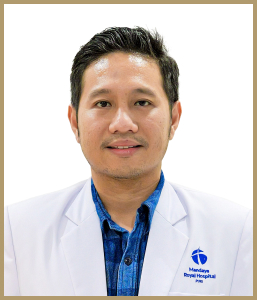
If you have a sports injury, such as a shoulder dislocation, and require treatment, dr. Venansius Herry Perdana Suryanta, Sp.OT, CF-Sports Injury, AIFO-K, CIPS, FIPP is one of the doctors you can consult at Mandaya Royal Puri Hospital. He is an orthopedic and traumatology specialist with expertise in managing various injuries caused by sports and physical activities, including ligament, tendon, muscle, and joint injuries, as well as fractures.
In addition to his CF-Sports Injury certification, dr. Venansius holds the AIFO-K credential (Consultant in Exercise Physiology). This expertise supports an approach to injury management that includes prevention and rehabilitation, helping patients gradually return to their activities according to their physical condition. He also holds CIPS (Certified Interventional Pain Sonologist) and FIPP (Fellow of Interventional Pain Practice) certifications, which relate to expertise in pain management through ultrasound-guided interventional procedures.
Regarding his education, dr. Venansius completed his general medical and orthopedic and traumatology specialist training at the Faculty of Medicine, Padjadjaran University. He also participated in the Overseas Orthopaedic Training Program at Semmelweis University in Budapest, Hungary, to further develop his knowledge and skills in orthopedics.
dr. Venansius Herry Perdana Suryanta, Sp.OT, CF-Sports Injury, AIFO-K, CIPS, FIPP, sees patients at Mandaya Royal Puri Hospital according to the following schedule:
- Tuesday: 10:00–12:00 WIB
- Wednesday: 16:00–20:00 WIB
- Friday: 16:00–20:00 WIB
- Saturday: 16:00–20:00 WIB
Facilities for Out-of-Town and International Patients at Mandaya Royal Puri Hospital

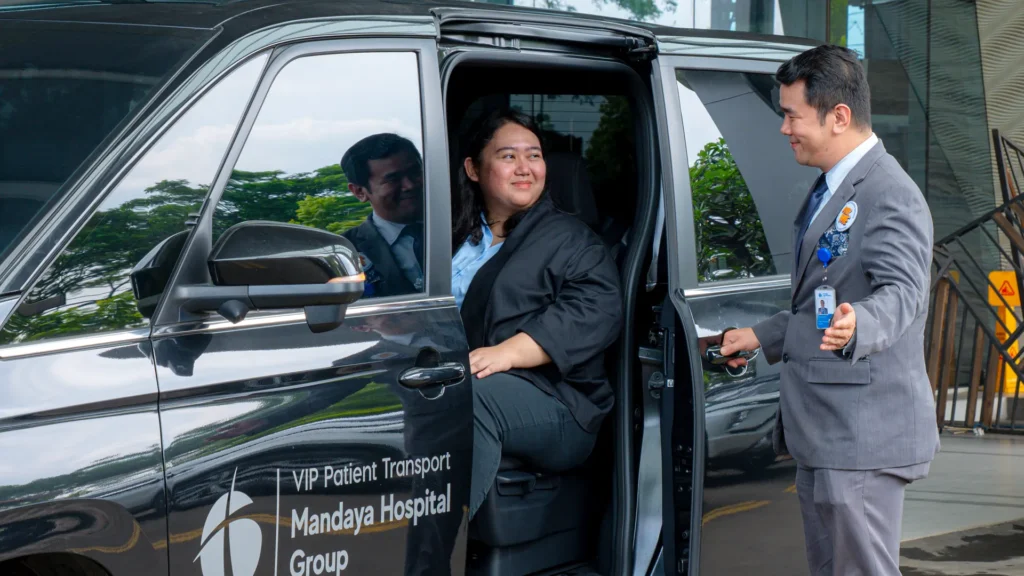
Mandaya Royal Hospital Puri provides various support facilities to make visits more comfortable for patients traveling from other cities or countries:
- VIP transport: Pick-up services from Soekarno-Hatta International Airport, train stations, or seaports to the hospital in comfortable vehicles, accompanied by the Patient Experience Officer (PEO) team.
- Medical ambulance pick-up: Specialized transportation for patients with specific medical needs from arrival points, such as airports, train stations, or seaports. The service includes medical equipment and support from professional healthcare personnel.
- Accommodation (Sleep Hub and apartments): Comfortable accommodation for family members accompanying patients, located on the eighth floor of the Mandaya Royal Puri building, with additional options at nearby apartments.
- International Patient Relation: Dedicated assistance for international patients with medical coordination, interpretation, and administrative arrangements. For information and assistance, contact 021 5092 8888 or email [email protected].
To make your visit to Mandaya Royal Hospital Puri easier, use the WhatsApp chat service, Book Appointment, or the Care Dokter app, available for download on Google Play and the App Store. These services can help you arrange visits, check queue numbers, and access other information.
The information on this page is provided for educational purposes and as a general overview. It may not reflect every medical service that each doctor can perform. To determine the most appropriate treatment for your health condition, we recommend consulting the relevant doctor directly.
If you have any questions, suggestions, or need further information, please contact our call center at 0811-1900-2000.

References:
- Mayo Clinic. Dislocated Shoulder: Symptoms and Causes. (https://www.mayoclinic.org/diseases-conditions/dislocated-shoulder/symptoms-causes/syc-20371715). Accessed October 13, 2026.
- Cleveland Clinic. Dislocated Shoulder: Causes, Treatment & Prevention. (https://my.clevelandclinic.org/health/diseases/17746-dislocated-shoulder). Accessed October 13, 2026.
- NHS. Dislocated Shoulder. (https://www.nhs.uk/conditions/dislocated-shoulder/). Accessed October 13, 2026.