


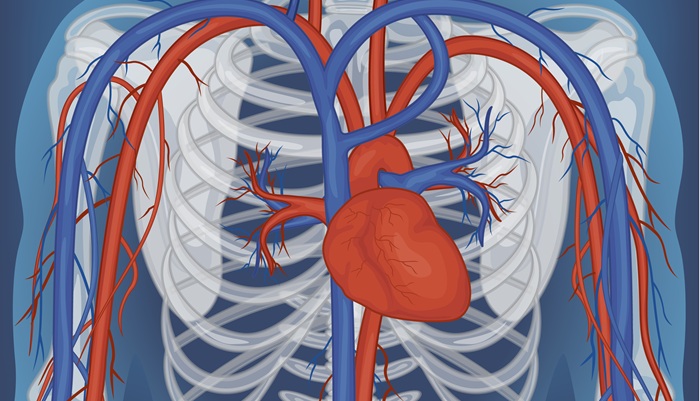
The aorta is the largest artery in the human body. It carries oxygen-rich blood from the heart to the rest of the body and extends from the heart down into the abdomen. As the body’s main artery, the aorta plays a crucial role in ensuring that all organs receive the oxygen and nutrients they need.
The signs and symptoms of an aortic aneurysm are often difficult to recognize because the condition usually does not cause any symptoms in its early stages. An aortic aneurysm develops when a weakened section of the aortic wall bulges outward under the pressure of blood flowing through the artery. As the aneurysm enlarges, it may eventually rupture, causing severe internal bleeding that can be life-threatening and requires emergency medical attention.

If you are looking for an experienced doctor to treat an aortic aneurysm, Mandaya Royal Hospital Puri is home to dr. Wirya A. Graha, Sp.BTKV, Subsp. JD(K), a consultant adult cardiovascular, thoracic, and vascular surgeon. He specializes in the diagnosis and treatment of diseases affecting the major blood vessels, including aortic aneurysms, and develops individualized treatment plans based on each patient’s condition.

Contents
Signs and Symptoms of an Aortic Aneurysm to Watch For
In many cases, people with an aortic aneurysm are unaware they have the condition because it often causes no symptoms until the aneurysm has enlarged significantly or ruptures.
When an aortic aneurysm ruptures, it becomes a medical emergency that requires immediate treatment at a hospital. A ruptured aneurysm can cause massive internal bleeding that may be life-threatening.
Symptoms of a ruptured aortic aneurysm may appear suddenly and include:
- Dizziness or feeling lightheaded, as if about to faint.
- A rapid or racing heartbeat.
- Sudden, severe pain in the chest, abdomen, or back.
Detecting an aortic aneurysm before it ruptures offers the best chance for successful treatment. As the aneurysm grows larger, some people may begin to experience symptoms such as:
- Shortness of breath or difficulty breathing.
- Feeling full after eating only a small amount of food.
- Pain in the area where the aneurysm is developing, such as the neck, chest, back, or abdomen.
- Difficulty or pain when swallowing.
- Swelling of the arms, neck, or face.
Complications of an Untreated Aortic Aneurysm
If left untreated, an aortic aneurysm can lead to several serious and potentially life-threatening complications, including:
- Aortic dissection, which occurs when one or more layers of the aortic wall tear. This condition can disrupt blood flow to vital organs and requires immediate medical attention.
- Aortic aneurysm rupture, which happens when the bulging section of the aorta tears open, causing severe internal bleeding. A ruptured aneurysm is a medical emergency that can be fatal if not treated promptly.
In general, the larger the aneurysm and the faster it grows, the greater the risk of rupture. For this reason, an aortic aneurysm should be detected and treated as early as possible before serious complications develop.
Can an Aortic Aneurysm Be Detected?
Yes. An aortic aneurysm can often be detected before it causes any symptoms. In many cases, it is discovered incidentally during a routine medical check-up or while undergoing imaging tests for another health condition.
If a person has risk factors for developing an aortic aneurysm—such as older age, high blood pressure, a history of smoking, or a family history of aneurysms—their doctor may recommend additional screening tests. Imaging studies are also advised if a patient develops symptoms that may suggest an aortic aneurysm.
To confirm the diagnosis, doctors may recommend one or more of the following imaging tests:
- CT scan, to evaluate the size, location, and characteristics of the aneurysm in detail.
- CT angiography (CTA) or MR angiography (MRA), which use contrast dye to produce detailed images of the blood vessels, allowing the aneurysm to be visualized more clearly.
- Ultrasound, particularly for detecting abdominal aortic aneurysms (AAA). This examination is quick, painless, and is often used as an initial screening test.
Based on the imaging results, the doctor can assess the size of the aneurysm, monitor its growth over time, and determine the most appropriate treatment strategy to reduce the risk of complications such as aortic dissection or aneurysm rupture.