


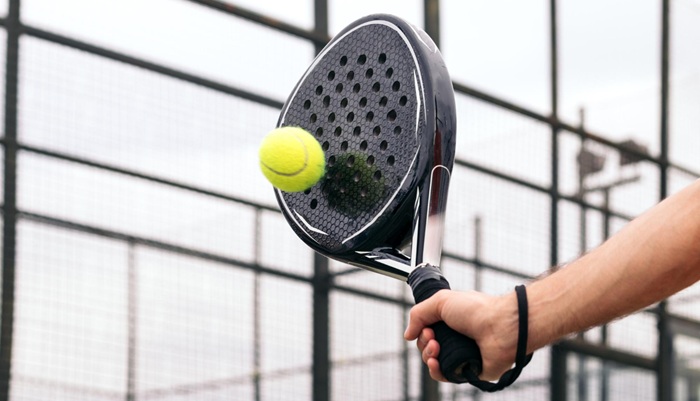
The growing number of padel courts in major cities across Indonesia reflects the increasing enthusiasm for this sport. No longer just a trend, padel has become a popular lifestyle choice that combines exercise, recreation, and social interaction in one game. However, behind its popularity are injury risks that players should be aware of. Rapid movements, sudden changes in direction, and repetitive strokes can put strain on muscles and joints, especially when not accompanied by good physical conditioning and proper playing techniques.
dr. Andre Sugiyono, Sp.KFR, a physical medicine and rehabilitation specialist, explains common padel-related injuries and how to prevent them.

Contents
Padel-Related Injuries and How to Prevent Them: Insights from dr. Andre, Sp.KFR
One injury to watch out for is shoulder injury, particularly involving the rotator cuff muscles and tendons, which help stabilize the shoulder and facilitate joint movement. These injuries can occur due to repetitive overhead movements, such as when performing a smash, bandeja, or vibora.
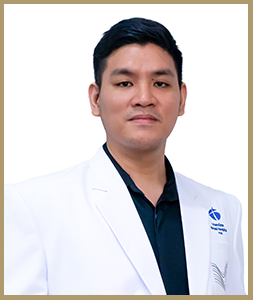
dr. Andre Sugiyono, Sp.KFR, a physical medicine and rehabilitation specialist at Mandaya Royal Hospital Puri, explains that repetitive movements and improper techniques can increase the risk of injury among padel players.
“These injuries can occur due to repetitive overhead movements, such as when performing a smash, bandeja, or vibora. When performed with improper technique, excessive intensity, or muscles that are not adequately prepared, these movements can cause tendon inflammation (tendinopathy) and even rotator cuff tendon tears,” he said.
To help reduce the risk of injury, dr. Andre recommends performing 10–15 minutes of dynamic warm-up exercises before playing, regularly strengthening the shoulder and shoulder blade muscles, and gradually increasing training intensity. If shoulder pain keeps recurring, interferes with daily activities, or is accompanied by weakness when lifting the arm, a medical examination is necessary to identify the cause and determine appropriate treatment.
“It is important to remember that playing padel regularly does not necessarily mean your shoulder muscles are strong enough. Repetitive ball-striking movements can actually increase the risk of injury if they are not supported by appropriate strengthening exercises. Specific strengthening exercises are needed to help reduce the risk of injury,” emphasized dr. Andre.
Rehabilitation Facilities at Mandaya Royal Hospital Puri

If you experience a sports-related injury, including one caused by padel, or need rehabilitation after surgery or a stroke, Mandaya Royal Hospital Puri provides medical rehabilitation services supported by modern facilities to help restore movement and improve patients’ quality of life.
The following are some of the available medical rehabilitation facilities:
- Waiting Lounge Rehabilitation Center: A comfortable waiting area for patients and their families before or after therapy.
- Hydrotherapy Pool: A therapeutic pool to help improve muscle strength, joint flexibility, and balance.
- Indoor Exercise Track: An indoor training track for practicing walking, balance, and endurance.
- Ergocycle and Treadmill: Exercise equipment to support physical fitness, cardiovascular endurance, and movement coordination.
- Examination Room: An examination room for evaluating patients’ conditions and monitoring their rehabilitation progress.
- Therapy Room: A dedicated space for physiotherapy, occupational therapy, and other rehabilitation treatments based on patients’ needs.
- Virtual Reality: Oculus–Rewellio technology to support movement training, dexterity, and pain management in stroke patients.
- ICU Rehabilitation: Rehabilitation services during intensive care, supported by Philips Cough Assist, Tilting Table, and MOTOmed Letto2 Leg/Arm Cycle equipment.
- Comprehensive Monitored Cardiovascular Training: Cardiovascular exercise using an indoor track, ergocycle, and treadmill, with cardiovascular monitoring through Polar OH1 and Teams.
Advanced Laser & Shockwave Rehab Center at Mandaya Puri: Modern Medical Rehabilitation Technology
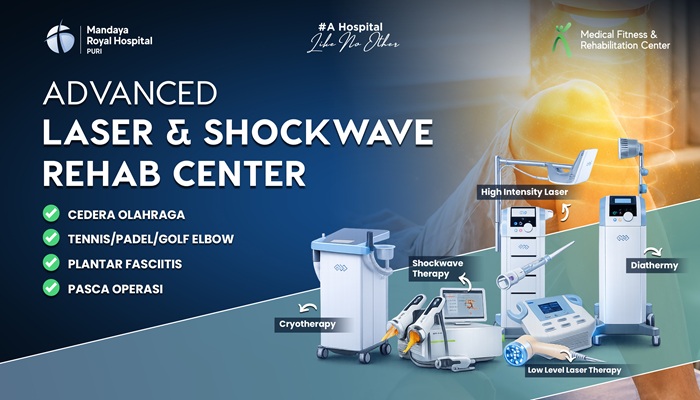
If you experience sports injuries, muscle and joint pain, or need recovery support after strenuous physical activity, Mandaya’s Advanced Laser & Shockwave Rehab Center offers various rehabilitation technologies to help relieve pain and support the restoration of body function according to patients’ medical needs.
The following technologies and facilities are available, along with their functions:
- Low Level Laser Therapy (LLLT): Low-intensity laser therapy that may help relieve pain and inflammation and support tissue recovery.
- High Intensity Laser Therapy (HILT): High-intensity laser therapy that may help reduce pain and improve function and range of motion in musculoskeletal conditions.
- Shockwave Therapy: Shockwave treatment that may help reduce pain and stimulate tissue recovery, including in tendons and ligaments.
- Diathermy: A therapy that uses energy to generate heat in body tissues, helping relax muscles and improve blood circulation in the treated area.
- Cryotherapy: Cold therapy that may help relieve pain and reduce inflammation after an injury or strenuous physical activity.
Read also: [Wrist Sprains from Padel: Symptoms and How to Treat Them]
Physical Medicine and Rehabilitation Specialists at Mandaya Royal Hospital Puri
In addition to comprehensive medical rehabilitation facilities, Mandaya Royal Hospital Puri is supported by a team of experienced physical medicine and rehabilitation specialists, including:
1. dr. Andre Sugiyono, Sp.KFR
One of the physical medicine and rehabilitation specialists you can consult at Mandaya Royal Hospital Puri is dr. Andre Sugiyono, Sp.KFR.
dr. Andre completed his general medical education at Atma Jaya Catholic University of Indonesia before pursuing specialist training in Physical Medicine and Rehabilitation at the University of Indonesia.
His areas of expertise include various medical rehabilitation services, such as:
- Electrotherapy
- Physiotherapy
- Hydrotherapy
- Post-stroke rehabilitation
dr. Andre Sugiyono, Sp.KFR, sees patients at Mandaya Royal Hospital Puri according to the following schedule:
- Monday: 08:30–15:30 WIB
- Tuesday: 08:30–15:30 WIB
- Wednesday: 08:30–15:30 WIB
- Thursday: 08:30–15:30 WIB
- Friday: 08:30–15:30 WIB
- Saturday: 14:30–19:00 WIB
2. dr. Eugene Nathania, Sp.KFR
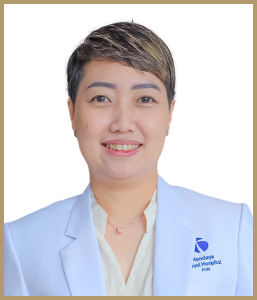
dr. Eugene Nathania, Sp.KFR, is a physical medicine and rehabilitation specialist who completed both her general medical education and specialist training at the University of Indonesia.
Her areas of expertise include various rehabilitation fields, such as obstetric rehabilitation, manual therapy, taping, and dry needling. She also treats musculoskeletal pain and helps patients restore movement and mobility.
dr. Eugene Nathania, Sp.KFR, sees patients at Mandaya Royal Hospital Puri according to the following schedule:
- Monday: 08:00–14:00 WIB
- Tuesday: 08:00–14:00 WIB
- Wednesday: 08:00–14:00 WIB
- Thursday: 08:00–14:00 WIB
- Friday: 08:00–14:00 WIB
- Saturday: 08:00–14:00 WIB
3. dr. Johanes Putra, Sp.KFR

Another physical medicine and rehabilitation specialist at Mandaya Royal Hospital Puri is dr. Johanes Putra, Sp.KFR.
He completed his general medical education at Atma Jaya Catholic University of Indonesia and subsequently earned his specialist qualification in Physical Medicine and Rehabilitation from the University of Indonesia.
His clinical focus includes musculoskeletal disorders affecting the muscles, bones, and joints. He is also trained in interventional pain management to help relieve pain and improve patients’ quality of life.
dr. Johanes Putra, Sp.KFR, sees patients at Mandaya Royal Hospital Puri according to the following schedule:
- Monday: 14:30–20:00 WIB
- Tuesday: 14:30–20:00 WIB
- Wednesday: 14:30–20:00 WIB
- Thursday: 14:30–20:00 WIB
- Friday: 14:30–20:00 WIB
- Saturday: 08:00–14:00 WIB
Facilities for Patients from Outside the City and International Patients at Mandaya Royal Hospital Puri
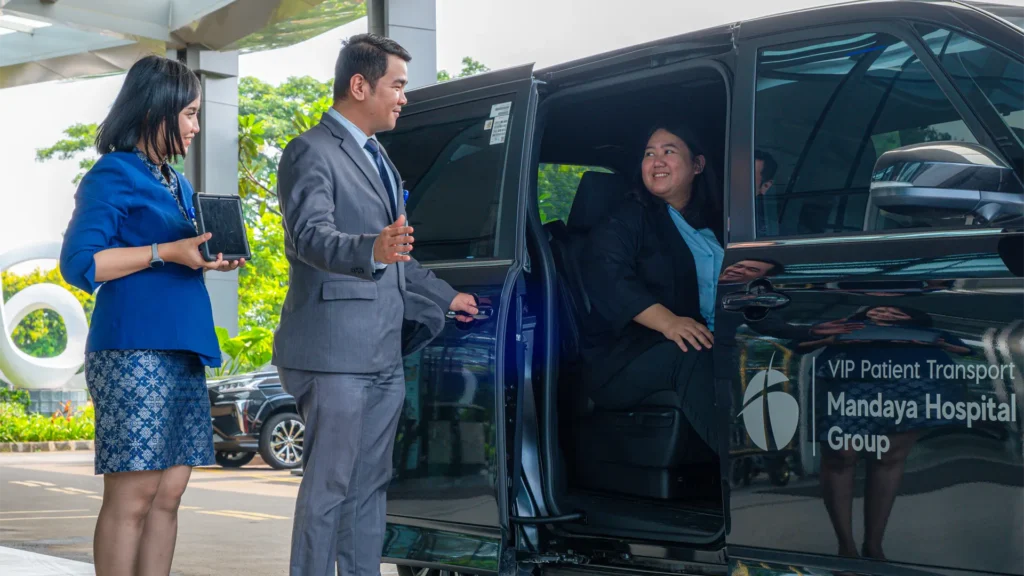
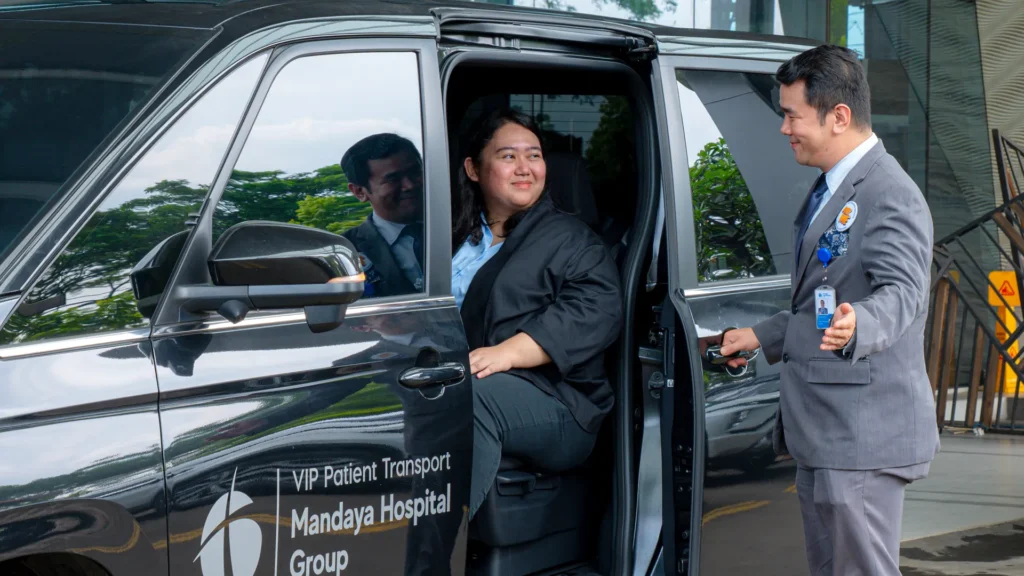
Mandaya Royal Hospital Puri provides various support services to offer additional comfort to patients traveling from other cities or countries.
- VIP transportation: A pickup service from Soekarno-Hatta International Airport, train stations, or ports to the hospital in a comfortable vehicle, accompanied by a Patient Experience Officer (PEO).
- Medical ambulance transportation: A dedicated pickup service for patients with specific medical needs from arrival points, including airports, train stations, and ports. The service is equipped with medical equipment and supported by professional healthcare personnel.
- Accommodation (Sleep Hub and apartments): Comfortable accommodation for families accompanying patients, located on the eighth floor of the Mandaya Royal Puri building, with nearby apartments also available.
- International Patient Relations: Dedicated assistance for international patients, including medical coordination, interpreter services, and administrative support. For information and assistance from International Patient Relations, contact 021 5092 8888 or email [email protected].
To make your visit to Mandaya Royal Hospital Puri easier, use the WhatsApp chat feature, book an appointment, or download the Care Dokter app from Google Play or the App Store to manage visits, check queue numbers, and access other useful information.
The information on this page is provided for educational purposes and as a general overview. It does not represent the full range of medical services that each doctor may perform. To ensure that you receive care appropriate to your health condition, you are advised to consult the relevant doctor directly.
If you have questions, suggestions, or need further information, please contact our call center at 0811-1900-2000.