



Hemophilia in children is a bleeding disorder that causes the body to take longer to stop bleeding. Normally, the body naturally forms a blood clot when an injury occurs. This process involves several important components, including clotting factor proteins, von Willebrand factor, and platelets, which work together to stop bleeding.
In children with hemophilia, the body does not produce enough of one of the blood clotting factors. As a result, bleeding may last longer, including bleeding into the muscles or joints following an injury. In more severe cases, bleeding may even occur spontaneously without any apparent injury or trauma.

Contents
Types of Hemophilia
In general, hemophilia is divided into three types based on which clotting factor is deficient or not produced in sufficient amounts:
1. Hemophilia A
Hemophilia A is the most common type of hemophilia. It occurs when the body has insufficient levels of clotting factor VIII (factor 8). Approximately 9 out of 10 people with hemophilia have this type.
2. Hemophilia B
Hemophilia B occurs when the body lacks sufficient levels of clotting factor IX (factor 9).
3. Hemophilia C
Hemophilia C is a less common type of hemophilia. It is associated with a deficiency of clotting factor XI (factor 11).
What Are the Symptoms of Hemophilia in Children?
Symptoms of hemophilia in children can vary depending on the severity of the condition and the level of clotting factors in the body. In mild cases, bleeding usually occurs only after a serious injury, surgery, or tooth extraction. In contrast, children with severe hemophilia may experience bleeding following minor everyday activities or even without any apparent injury.
Some symptoms of hemophilia in children that parents should watch for include:
- Easy bruising: Bruises may appear even after minor bumps or injuries. Sometimes, blood can collect beneath the skin, causing swelling known as a hematoma.
- Frequent bleeding: Children may experience nosebleeds or bleeding in the mouth and gums following minor injuries. Bleeding gums while brushing their teeth should also be monitored.
- Joint bleeding: Blood collecting inside a joint can cause pain, swelling, and difficulty moving the affected limb. Repeated episodes may eventually lead to joint damage.
- Muscle bleeding: Bleeding within the muscles can cause pain, redness, and swelling due to blood accumulation.
- Bleeding in the brain: This may occur following a head injury or spontaneously. Symptoms can include headaches, vomiting, vision problems, and neurological disturbances. Brain bleeding is a serious complication that requires immediate medical attention.
- Blood in the urine or stool: Bleeding may also occur in the urinary tract or digestive system.
- Prolonged bleeding after circumcision: In baby boys with severe hemophilia, bleeding following circumcision may last longer than usual.
Hemophilia symptoms can sometimes resemble those of other medical conditions. Therefore, parents should consult a doctor if their child frequently develops bruises or experiences bleeding that is difficult to stop. A medical evaluation is important to establish an accurate diagnosis.
Causes of Hemophilia in Children
Hemophilia in children is generally caused by changes or mutations in the genes responsible for producing blood clotting factor VIII or IX. These genetic changes prevent the body from producing sufficient amounts of the required clotting factors, disrupting the normal blood-clotting process.
The condition is usually inherited from parents through the X chromosome. Females have two X chromosomes (XX), while males have one X chromosome and one Y chromosome (XY). Because the genes responsible for hemophilia are located on the X chromosome, boys are at a higher risk of developing hemophilia if they inherit an affected gene from their mother.
Meanwhile, females who carry an affected hemophilia gene on one of their X chromosomes are generally referred to as carriers. They can pass the affected gene on to either their sons or daughters. Although most female carriers do not experience severe hemophilia, some may have lower clotting factor levels and develop mild to moderate bleeding symptoms.
However, not all cases of hemophilia are inherited. Approximately one-third of cases result from new genetic changes (spontaneous mutations) that occur without any family history of hemophilia. This means that a child can still develop hemophilia even if neither parent has a history of blood clotting disorders.
How Is Hemophilia in Children Treated?
Treatment for hemophilia in children aims to prevent recurrent bleeding and reduce the risk of complications, particularly bleeding in the joints and brain. Treatment methods are tailored to the child’s age, overall health, symptoms, and the severity of the condition.
Doctors will generally refer the child to a hematologist, a specialist trained to diagnose and treat blood disorders. Treatment options for hemophilia in children may include:
- Clotting factor replacement therapy: Children may receive factor VIII or IX concentrates through an intravenous infusion. This treatment replaces the deficient clotting factor to help control or prevent bleeding.
- Joint surgery and rehabilitation: If a child experiences recurrent joint bleeding, surgery or temporary immobilization may be necessary to restrict joint movement. Following treatment, physiotherapy and specific exercises may help strengthen the muscles surrounding the affected joint.
- Blood transfusions: If a child experiences significant blood loss, doctors may recommend a blood transfusion to replace the lost blood.
With appropriate treatment and regular medical monitoring, children with hemophilia can continue their daily activities more safely while reducing the risk of bleeding complications.
Pediatric Hematology-Oncology Consultants at Mandaya Royal Hospital Puri
Hemophilia in children is a blood disorder that requires medical evaluation and regular monitoring. To help establish an accurate diagnosis and determine the appropriate treatment, parents can consult a pediatric hematology-oncology specialist.
At Mandaya Royal Hospital Puri, patients can consult doctors with expertise in managing various blood disorders and childhood cancers, including hemophilia, anemia, thalassemia, leukemia, and solid tumors.
1. dr. Ludi Dhyani Rahmartani, Sp.A, Subsp. H.Onk (K)
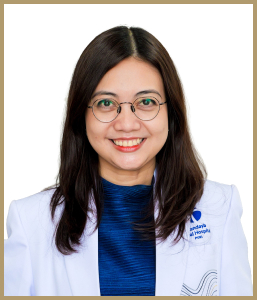
dr. Ludi Dhyani Rahmartani, Sp.A, Subsp. H.Onk (K) is a pediatric hematology-oncology consultant at Mandaya Royal Hospital Puri. She has expertise in managing various blood disorders and childhood cancers, including leukemia, thalassemia, brain tumors, and other types of pediatric cancer.
She is also experienced in evaluating patients’ conditions, determining treatment plans, and monitoring children’s progress throughout their treatment.
dr. Ludi completed her general medical education at the University of Indonesia in 2002. She then pursued her pediatric specialist training at the same university, graduating in 2015. She subsequently completed her pediatric hematology-oncology subspecialty training in 2021.
Some of the conditions and medical treatments within dr. Ludi’s areas of expertise include:
- Managing various blood disorders in children, including thalassemia and other hematological conditions.
- Treating leukemia and various types of childhood cancer.
- Providing cancer treatments such as chemotherapy, targeted therapy, and immunotherapy.
- Managing brain tumors and other solid tumors.
- Performing bone marrow transplants.
dr. Ludi Dhyani Rahmartani, Sp.A, Subsp. H.Onk (K) is available for consultations at Mandaya Royal Hospital Puri on:
- Thursday: 5:30 PM–7:30 PM (WIB).
2. dr. Fatimah Saidah, Sp.A, Subsp. H.Onk. (K)
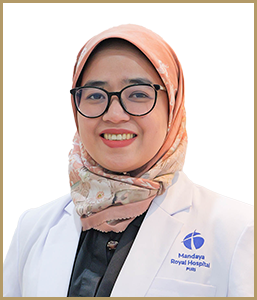
dr. Fatimah Saidah, Sp.A, Subsp. H.Onk. (K) is a pediatric hematology-oncology consultant at Mandaya Royal Hospital Puri who treats various blood disorders and childhood cancers. Her areas of expertise include conditions such as anemia, thalassemia, blood cancers, and solid tumors, including brain tumors.
In providing treatment, dr. Fatimah is experienced in systemic therapies, such as chemotherapy, as well as bone marrow transplantation when medically indicated. Each treatment plan is tailored to the child’s specific condition and overall health.
Some of dr. Fatimah’s areas of expertise include:
- Evaluating and treating various blood disorders in children, including anemia and thalassemia.
- Treating blood cancers through chemotherapy and bone marrow transplantation when medically indicated.
- Managing various types of childhood cancer and solid tumors, including brain tumors.
dr. Fatimah Saidah, Sp.A, Subsp. H.Onk. (K) is available for consultations at Mandaya Royal Hospital Puri on:
- Monday: 5:00 PM–7:00 PM (WIB).
- Wednesday: 5:00 PM–7:00 PM (WIB).
- Friday: 5:00 PM–7:00 PM (WIB).
Facilities for Out-of-Town and International Patients at Mandaya Royal Hospital Puri

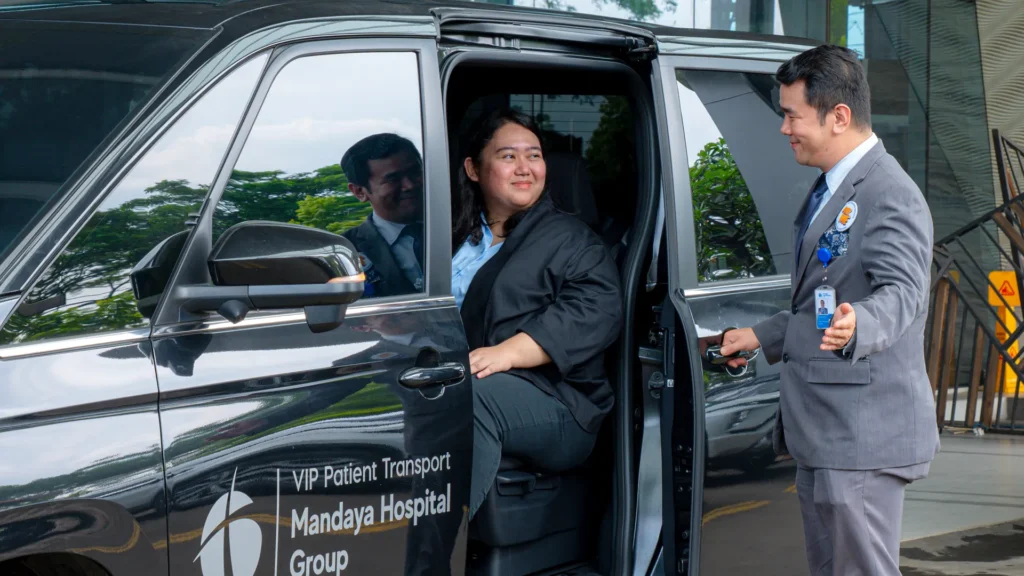
Mandaya Royal Hospital Puri provides a range of supporting facilities to ensure greater comfort for patients traveling from other cities or countries:
- VIP Transportation: A pickup service from Soekarno-Hatta International Airport, train stations, or seaports to the hospital using comfortable vehicles accompanied by a Patient Experience Officer (PEO).
- Medical Ambulance Pickup: A dedicated pickup service for patients with specific medical needs from their arrival point (airport, train station, or seaport). The service is equipped with medical equipment and accompanied by professional healthcare personnel.
- Accommodation (Sleep Hub and Apartments): Comfortable accommodation for families accompanying patients. The Sleep Hub is located on the 8th floor of the Mandaya Royal Puri building, with additional apartment options available nearby.
- International Patient Relations: Dedicated assistance for international patients, including medical coordination, interpreter services, and administrative support. For further information and assistance, please contact International Patient Relations at 021 5092 8888 or email [email protected].
To make your visit to Mandaya Royal Hospital Puri easier, you can use the WhatsApp Chat feature, Book Appointment service, or the Care Dokter application, available for download on Google Play and the App Store. These services allow you to arrange visits, check queue numbers, and access other important information.
The information provided on this page is intended for educational purposes and general guidance. It does not represent the full range of medical services that each doctor may provide. To determine the most appropriate treatment for your health condition, we recommend consulting the relevant doctor directly.
If you have any questions, suggestions, or require further information, please contact our call center at 0811-1900-2000.

References
- Stanford Medicine Children’s Health. Hemophilia in Children. (https://www.stanfordchildrens.org/en/topic/default?id=hemophilia-90-P02313). Accessed on October 30, 2026.
- Boston Children’s Hospital. Hemophilia. (https://www.childrenshospital.org/conditions-treatments/hemophilia). Accessed on October 30, 2026.