


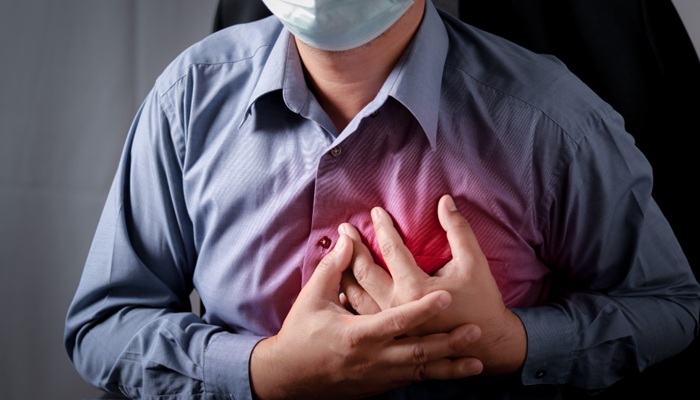
Heart valve disease refers to a group of conditions in which one or more of the heart valves do not function properly. These valves play a crucial role in ensuring that blood flows in one direction through the heart. They are made up of thin, leaflet-like tissues that open to allow blood to move forward and close to prevent it from flowing backward. When this function is impaired, blood flow becomes inefficient and the heart must work harder. Without proper treatment, this condition can reduce blood circulation throughout the body and become life-threatening.
The heart has four main valves—mitral, tricuspid, aortic, and pulmonary—each responsible for regulating blood flow between the heart chambers and into major blood vessels. The good news is that with advances in medical technology, heart valve disease can now be treated through surgery or minimally invasive procedures to repair or replace the affected valves.
At Mandaya Royal Hospital Puri, dr. Wirya A. Graha, Sp.BTKV, Subsp. JD(K) performs heart valve surgery using the Minimally Invasive Cardiac Surgery (MICS) technique, which involves a small incision of around 5 cm.

Contents
Types of Heart Valve Disease
Here are the main types of heart valve disease:
- Stenosis: Stenosis occurs when the valve tissue becomes stiff, causing the valve opening to narrow and reducing blood flow. In mild cases, it may not significantly affect heart function. However, severe narrowing forces the heart to work harder, which can strain the heart and reduce blood flow to the rest of the body.
- Regurgitation: Also known as a leaky valve, regurgitation happens when the valve does not close properly, allowing blood to flow backward. As a result, the heart must pump harder to compensate, which may reduce blood supply to the body.
- Prolapse: Prolapse typically affects the mitral valve, where the valve does not close tightly due to overly flexible leaflets. During a heartbeat, the valve may bulge back into the upper chamber (left atrium). This condition is usually harmless but can lead to regurgitation in some cases.
- Atresia: Atresia is a congenital condition in which a heart valve does not form properly and lacks a normal opening. This prevents blood from flowing through the valve effectively and is usually detected early in infancy.
Symptoms of Heart Valve Disease
Many people with heart valve disease may not experience symptoms at first. However, as the condition progresses, the heart must work harder to compensate for impaired blood flow.
Common symptoms include:
- Fatigue (often the first symptom)
- Shortness of breath, especially during physical activity
- Heart palpitations or irregular heartbeat
- Swelling in the ankles, feet, or abdomen (edema)
- Weakness or dizziness
- Rapid weight gain
- Chest pain, especially during exertion
Causes and Risk Factors of Heart Valve Disease
Heart valve disease can result from various conditions, either present at birth or developed over time. Common causes include:
- Rheumatic fever due to untreated strep throat
- Heart attack that damages heart tissue
- Advanced high blood pressure (hypertension)
- Congenital valve abnormalities
- Degeneration or calcification of valve tissue with age
- Thoracic aortic aneurysm (enlargement of the aorta)
- Heart failure
- Heart infection (infective endocarditis)
- Autoimmune diseases such as lupus
- Marfan syndrome
Risk factors that may increase the likelihood of developing heart valve disease include:
- Smoking or tobacco use
- Unhealthy diet
- Lack of physical activity
- Conditions such as diabetes or high blood pressure
- History of radiation therapy for cancer
- Use of pacemakers or implantable defibrillators (ICD)
- Male gender
- Increasing age
What Are the Complications of Untreated Heart Valve Disease?
If left untreated, heart valve disease can lead to serious complications, including:
- Heart failure
- Abnormal heart rhythms (arrhythmia)
- Blood clots
- Pulmonary hypertension
- Stroke
- Cardiac arrest
Minimally Invasive Treatment by dr. Wirya at Mandaya Hospital

dr. Wirya Ayu Graha, Sp.BTKV is a thoracic and cardiovascular surgeon specializing in adult cardiac surgery, with extensive experience in performing a wide range of heart and vascular procedures. She performs more than 600 heart surgeries annually, including over 300 minimally invasive heart surgeries, 200+ minimally invasive bypass procedures, and more than 100 minimally invasive heart valve surgeries each year. This high case volume reflects her expertise in modern surgical techniques, particularly minimally invasive approaches.
She specializes in MICS MVR (Minimally Invasive Mitral Valve Replacement), a procedure performed through a small incision of around 5 cm between the ribs without opening the breastbone. This approach helps reduce bleeding risk, minimize post-operative pain, and speed up recovery.
Advantages of MICS MVR Compared to Conventional Surgery
- Smaller incision without opening the chest: safer, less scarring, and better cosmetic results
- Faster recovery: patients can return to normal activities sooner
- Less pain and lower risk of complications
dr. Wirya A. Graha, Sp.BTKV, Subsp. JD(K) is available at Mandaya Royal Hospital Puri on:
- Tuesday: 16:30 – 19:00 WIB
- Thursday: 16:30 – 19:00 WIB
- Saturday: 10:00 – 13:00 WIB
To make your visit easier, you can use the WhatsApp Chat feature, Book Appointment service, or the Care Dokter application available on Google Play and the App Store to check queue numbers and access complete information.
The information on this page is provided for educational purposes and general overview only, and may not represent all medical services performed by each doctor. For appropriate treatment based on your condition, it is recommended to consult directly with the doctor.
If you have any questions, suggestions, or need further information, please contact our call center at 0811-1900-2000.