


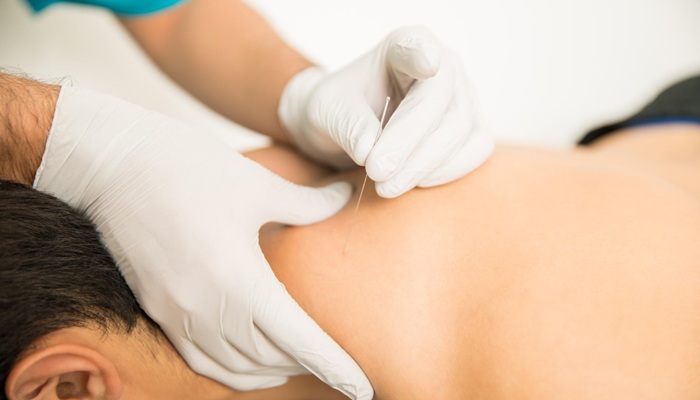
Dry needling is a therapeutic technique performed by trained healthcare professionals, such as physiotherapists, to help manage musculoskeletal pain and movement disorders. This therapy is usually part of a more comprehensive pain management program, alongside physical exercises, stretching, massage, or other therapeutic methods. During the procedure, the therapist inserts thin needles into or around myofascial trigger points in the muscles.
Myofascial trigger points are areas of muscle that feel tight, form knots, and are sensitive to touch. These points can cause pain in the same area or refer pain to other parts of the body. The term myofascial comes from myo, meaning muscle, and fascia, the thin connective tissue that surrounds muscles.
During dry needling therapy, solid needles that do not contain medication are used to stimulate trigger points in the muscles and surrounding tissues. This stimulation may help reduce muscle tension, improve blood flow, and relieve both localized and referred pain. The term dry needling is used because no medication or fluid is injected into the body, making it different from trigger point injections, which involve injecting medication.

Contents
How Does Dry Needling Work?
Dry needling works by stimulating trigger points in the muscles. The following explains what happens and how this therapy may help relieve pain:
- Muscle tension caused by overuse: When muscles are overused, muscle fibers may experience impaired blood supply, limiting the oxygen and nutrients needed for them to return to their normal resting state.
- Pain and increased sensitivity: These changes may trigger chemical changes in the tissues surrounding the trigger points and increase nerve sensitivity. As a result, the affected muscles may feel painful, sore, or sensitive to touch.
- Stimulation with thin needles: The therapist inserts a needle into the trigger point to stimulate the muscle tissue. This stimulation is thought to help improve local blood flow and reduce tension in the affected area.
- Muscle twitch response: The therapist may move the needle slightly to trigger a brief muscle contraction or twitch. This response indicates that the muscle is reacting to needle stimulation, although it does not always need to occur for the therapy to be beneficial.
- Helping relieve pain: Needle stimulation may also affect nerve activity and the body’s pain control mechanisms, including the release of endorphins, natural substances that help reduce pain.
The results of dry needling therapy may vary from person to person. Some patients experience improvements in pain and range of motion after one session, while others may require several sessions depending on their condition and the healthcare professional’s evaluation.
What Are the Benefits of Dry Needling Therapy?
Dry needling therapy may help relieve pain and improve range of motion. It may be used as part of a treatment plan for various conditions, including:
- Joint disorders or pain.
- Spinal disc disorders.
- Tendinitis, or inflammation of the tendons.
- Migraines and tension-type headaches.
- Jaw and oral disorders, such as temporomandibular joint (TMJ) disorders.
- Whiplash, a neck injury caused by sudden movement.
- Repetitive motion disorders, such as carpal tunnel syndrome.
- Spinal disorders.
- Pelvic pain.
- Nighttime muscle cramps.
- Phantom limb pain, a painful sensation in a body part that has been amputated.
- Postherpetic neuralgia, nerve pain that may occur as a complication of shingles.
The use of dry needling therapy should be tailored to each patient’s condition and needs. A doctor or trained healthcare professional will first evaluate the patient to determine whether this therapy is appropriate as part of their treatment plan.
Who Should Avoid Dry Needling Therapy?
Dry needling therapy is not suitable for everyone. Children under 12 are generally not recommended to undergo this procedure because it may cause discomfort or pain. Less invasive treatment options may be considered first.
In addition, the following groups should consult a doctor before undergoing dry needling therapy:
- Pregnant women: To ensure that the therapy is safe for their pregnancy and individual condition.
- People who have difficulty understanding the procedure: Understanding the procedure and providing informed consent are essential before treatment.
- People with an excessive fear of needles (trypanophobia): The procedure may cause anxiety in these individuals.
- People with weakened immune systems: The risk of infection and their overall health condition need to be considered.
- People who have recently undergone surgery: The timing and safety of therapy should be adjusted according to the recovery process.
- People taking blood-thinning medication: Their risk of bleeding or bruising needs to be assessed.
Consulting a doctor or trained healthcare professional before undergoing treatment is essential to ensure that the procedure is appropriate for the patient’s health condition and that its potential benefits outweigh the risks.
Dry Needling vs. Acupuncture: What Is the Difference?
Dry needling and acupuncture both involve inserting thin needles into the skin to help address certain conditions. However, there are several key differences between the two:
- Treatment goals: Dry needling focuses on managing muscle pain and movement disorders by stimulating trigger points. Acupuncture, on the other hand, is part of traditional Chinese medicine and aims to balance the body’s energy flow according to its principles.
- How they work: Dry needling targets trigger points in tight or painful muscles. Acupuncture uses needles at specific points along meridians, based on the principles of traditional Chinese medicine.
- Number of needles: Dry needling generally uses fewer needles, while acupuncture may involve several needles during a single session.
- Conditions treated: Dry needling is primarily used for musculoskeletal and neuromuscular complaints. Acupuncture is used for a wide range of conditions, including pain, headaches, fatigue, sleep disorders, anxiety, and others.
- Additional techniques: Dry needling may sometimes be combined with electrical stimulation to help stimulate muscle contraction and relaxation. Acupuncture may also involve needle manipulation, depending on the technique used.
Both treatments may be incorporated into a more comprehensive care plan. The choice of therapy should be based on the patient’s condition, needs, and the results of a healthcare professional’s evaluation.
Dry Needling Therapy at Mandaya Royal Hospital Puri
Mandaya Royal Hospital Puri provides medical rehabilitation services to help patients manage various muscle and joint complaints, including pain and movement disorders. Dry needling is one of the therapeutic methods that may be used when medically indicated.
The medical rehabilitation services at Mandaya Royal Hospital Puri are provided by specialists in physical medicine and rehabilitation who are trained in various therapeutic methods, including dry needling, laser therapy, and shockwave therapy.
Before determining the appropriate type of therapy, the doctor will evaluate the patient’s condition to ensure that the treatment is tailored to their specific complaints and individual needs.
Facilities for Out-of-Town and International Patients at Mandaya Royal Hospital Puri

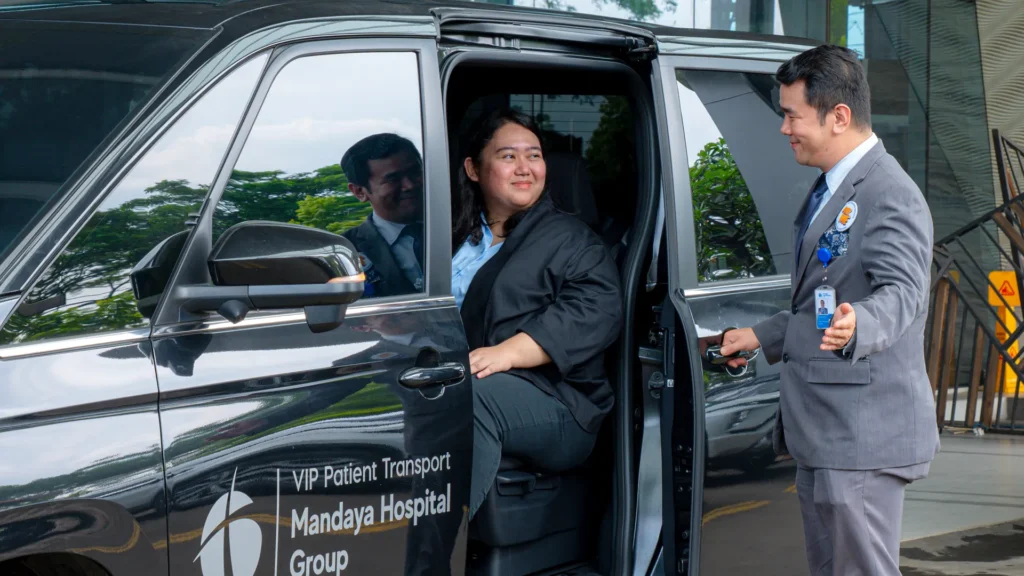
Mandaya Royal Hospital Puri offers a range of supporting facilities to provide additional comfort for patients traveling from other cities or overseas:
- VIP Transport: A pick-up service from Soekarno-Hatta International Airport, train stations, or seaports to the hospital in a comfortable vehicle, accompanied by a Patient Experience Officer (PEO).
- Medical Ambulance Pick-Up: A dedicated pick-up service for patients with specific medical needs from arrival points, including airports, train stations, and seaports. The service is equipped with medical equipment and supported by professional healthcare personnel.
- Accommodation (Sleep Hub & Apartments): Comfortable accommodation for families accompanying patients. The Sleep Hub is located on the eighth floor of the Mandaya Royal Hospital Puri building, with nearby apartment options also available.
- International Patient Relations: Dedicated assistance for international patients, including medical coordination, interpreter services, and administrative support. For information and assistance from International Patient Relations, call 021 5092 8888 or email [email protected].
To make your visit to Mandaya Royal Hospital Puri easier, use the WhatsApp chat feature, Book Appointment, or the Care Dokter application, available for download on Google Play and the App Store. These options help you manage appointments, check queue numbers, and access other relevant information.
The information on this page is intended for educational purposes and provides a general overview. It does not represent the full range of medical services that each doctor may perform. To ensure that you receive care appropriate to your health condition, we recommend consulting the relevant doctor directly.
If you have any questions, suggestions, or need further information, please contact our call center at 0811-1900-2000.

References:
- Cleveland Clinic. Dry Needling. (https://my.clevelandclinic.org/health/treatments/16542-dry-needling). Accessed on October 21, 2026.
- Mayo Clinic Health System. On Pins and Needles: Just What Is Dry Needling? (https://www.mayoclinichealthsystem.org/hometown-health/speaking-of-health/on-pins-and-needles-just-what-is-dry-needling). Accessed on October 21, 2026.