


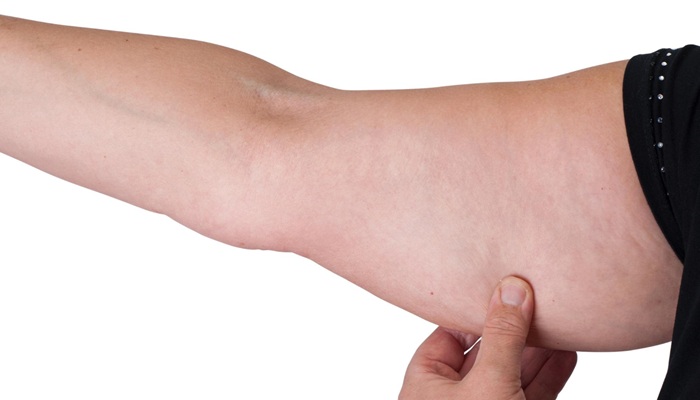
Lymphedema is a condition characterized by swelling in certain parts of the body due to a problem with the lymphatic system. This system collects excess fluid, proteins, and waste products from cells and tissues before returning them to the bloodstream. When the lymphatic system does not function properly, fluid can accumulate in body tissues, causing swelling, most commonly in the arms and legs, although other areas of the body can also be affected.
Lymphedema can develop after certain surgical procedures, as a result of specific medical conditions, due to genetic abnormalities, or even without a known cause. Symptoms can range from mild swelling and discomfort to more severe swelling accompanied by pain and various skin problems, including infections and wounds. Although lymphedema cannot be completely cured, it can be managed with treatment to reduce swelling and prevent further complications.
Even if it initially causes only mild swelling, lymphedema should never be taken lightly or left untreated. Over time, the condition can progress and lead to various serious complications that affect a person’s health and quality of life. So, what are the potential dangers of leaving lymphedema untreated?

Contents
What Are the Complications of Untreated Lymphedema?
The following are some complications that may develop when lymphedema is left untreated:
1. Skin infection (cellulitis)
One of the most common complications of lymphedema is a skin infection known as cellulitis. The buildup of lymph fluid in body tissues can create an environment that encourages bacterial growth, increasing the risk of infection.
Even a small cut or scratch can provide an entry point for bacteria and trigger an infection. Symptoms may include redness or skin discoloration, warmth, pain, and worsening swelling.
In addition, fungal infections between the toes can cause cracked skin, creating another possible entry point for bacteria. Anyone experiencing these symptoms should seek medical attention promptly. A doctor may prescribe antibiotics to treat the infection.
2. Sepsis caused by the spread of infection into the bloodstream
A skin infection caused by lymphedema that is not treated promptly can develop into a more serious complication called sepsis. This condition occurs when an infection spreads into the bloodstream and triggers an excessive response from the body’s immune system.
Sepsis is a life-threatening medical emergency that requires immediate treatment. Therefore, skin infections such as cellulitis should never be ignored, especially in people with lymphedema.
3. Lymph fluid leaking through the skin
In advanced cases of lymphedema, swelling can cause lymph fluid to leak through the skin’s surface. This condition may also be accompanied by fluid-filled blisters in the affected area.
Persistent lymph fluid leakage can leave the skin continuously wet, requiring special skin care to maintain its condition and prevent further complications, including infection.
4. Thickened and hardened skin
Long-standing and worsening lymphedema can also cause changes in skin texture. Continuous lymph fluid accumulation may trigger tissue changes, causing the skin to become thicker and harder.
These changes can make the affected area feel stiff and uncomfortable. In addition, skin with structural changes requires special attention to prevent further skin problems.
5. Soft tissue cancer associated with chronic lymphedema
Although extremely rare, severe untreated lymphedema may increase the risk of developing certain types of soft tissue cancer. One example is lymphangiosarcoma, a rare cancer that originates in the cells of the lymphatic vessels.
This complication is generally associated with chronic lymphedema that persists for a long time. Although the risk is low, it is one of the reasons why lymphedema should be recognized and treated early.
What Causes Lymphedema?
Based on its underlying cause, lymphedema is classified into two types: primary and secondary lymphedema. Both conditions cause lymph fluid to accumulate due to problems with the lymphatic system, but they have different underlying causes.
1. Primary lymphedema
Primary lymphedema is a rare condition caused by inherited or congenital abnormalities that affect the development of the lymphatic system. As a result, the lymphatic vessels or channels may not develop or function properly.
Swelling caused by primary lymphedema can appear at different stages of life, depending on the underlying condition:
- At birth or during infancy: One example is Milroy’s disease, a congenital condition that causes lymphedema from birth.
- During puberty up to age 35: Meige disease, also known as lymphedema praecox, can trigger swelling during puberty or pregnancy.
- After age 35: Lymphedema tarda is a type of primary lymphedema that develops later in life and generally causes swelling in the legs.
2. Secondary lymphedema
Unlike primary lymphedema, secondary lymphedema develops due to damage or disruption to a lymphatic system that previously developed normally. Several factors can trigger this condition, including surgery, injury or trauma, and radiation therapy.
One group at risk of developing secondary lymphedema is patients undergoing breast cancer treatment. This is because surgery or radiation therapy may damage or remove lymph nodes, disrupting the normal flow of lymph fluid.
However, not every breast cancer patient who undergoes treatment will develop lymphedema. The risk depends on the type and extent of treatment received.
Lymphedema Treatment at Mandaya Royal Hospital Puri
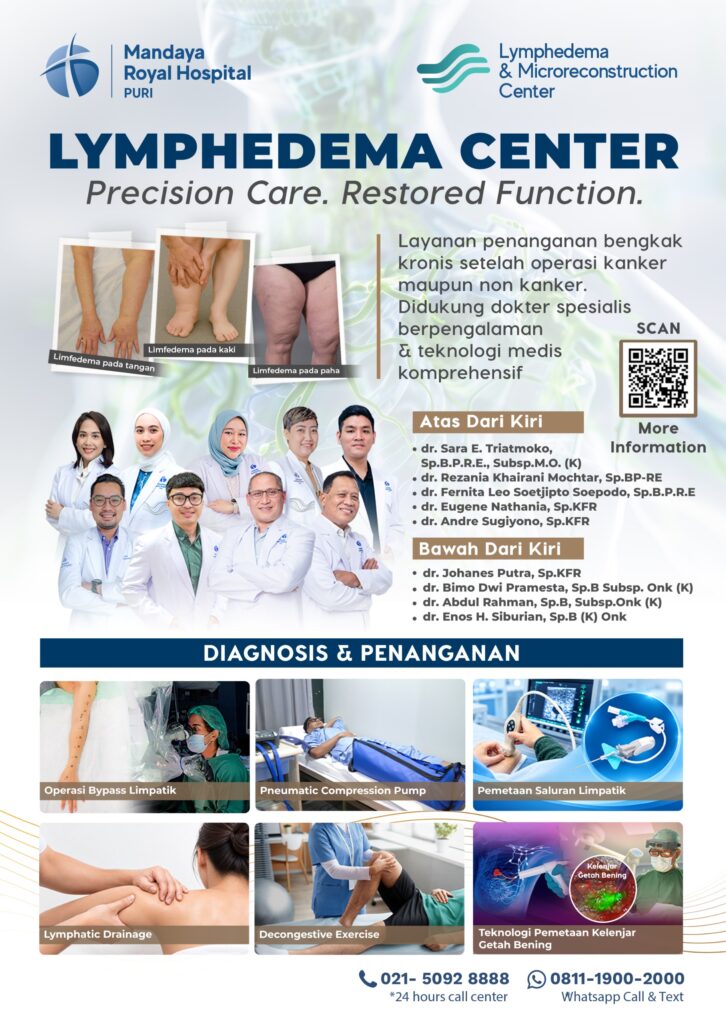
To manage lymphedema, the Lymphedema Center at Mandaya Royal Hospital Puri offers various treatment options tailored to each patient’s condition, ranging from microsurgical procedures to rehabilitation. The available treatment options include:
1. Lymphaticovenular Anastomosis (LVA) or lymphatic bypass
Lymphaticovenular Anastomosis (LVA) is a microsurgical procedure that connects lymphatic vessels to small veins. This procedure aims to create an alternative pathway for lymph fluid to flow into the bloodstream, thereby reducing fluid buildup in body tissues.
2. Lymph node transplantation
Lymph node transplantation is a procedure that involves transferring healthy lymph nodes from another part of the body to an area affected by lymphedema. The procedure aims to help restore lymphatic fluid flow in the affected area.
3. Rehabilitation using compression devices
Compression therapy uses compression devices to help reduce swelling caused by lymph fluid accumulation. This therapy is part of lymphedema rehabilitation and helps manage symptoms while improving patient comfort.
4. Manual lymph drainage (MLD)
Manual lymph drainage (MLD) is a specialized massage technique that uses gentle, directed movements to help move lymph fluid toward lymphatic pathways that are still functioning.
At Mandaya Royal Hospital Puri, MLD services are provided by certified physiotherapists to ensure that the treatment is tailored to each patient’s condition and needs.
Doctors Specializing in Lymphedema Treatment at Mandaya Royal Hospital Puri
The Lymphedema Center at Mandaya Royal Hospital Puri is supported by a multidisciplinary medical team with expertise in lymphedema management, ranging from microsurgery to medical rehabilitation. This collaboration helps ensure that patients receive comprehensive care tailored to their individual conditions and needs.
The following doctors are part of the lymphedema treatment team at Mandaya Royal Hospital Puri:
1. dr. Sara Ester Triatmoko, Sp.BPRE, Subsp.MO (K)
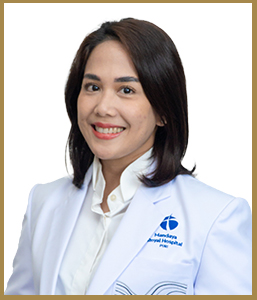
dr. Sara Ester Triatmoko is a plastic, reconstructive, and aesthetic surgeon with subspecialty expertise in microsurgical reconstruction and oncoplastic surgery. She is experienced in various reconstructive procedures to restore body function and appearance, including post-cancer reconstruction, tissue repair following injuries, burn treatment, and correction of congenital abnormalities.
dr. Sara Ester Triatmoko, Sp.BPRE, Subsp.MO (K) is available at Mandaya Royal Hospital Puri on:
- Tuesday: 17:00–19:30 WIB
- Thursday: 17:00–19:30 WIB
2. dr. Andre Sugiyono, Sp.KFR
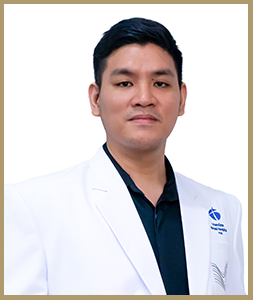
dr. Andre Sugiyono is a Physical Medicine and Rehabilitation specialist with experience in various programs aimed at restoring body function. His areas of expertise include electrotherapy, physiotherapy, hydrotherapy, and post-stroke rehabilitation.
dr. Andre Sugiyono, Sp.KFR is available at Mandaya Royal Hospital Puri on:
- Monday: 08:30–15:30 WIB
- Tuesday: 08:30–15:30 WIB
- Wednesday: 08:30–15:30 WIB
- Thursday: 08:30–15:30 WIB
- Friday: 08:30–15:30 WIB
- Saturday: 14:30–19:00 WIB
3. dr. Eugene Nathania, Sp.KFR
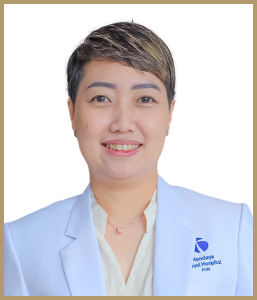
dr. Eugene Nathania is a Physical Medicine and Rehabilitation specialist who graduated from the University of Indonesia. Her expertise includes manual therapy, obstetric rehabilitation, taping techniques, and dry needling. She also specializes in managing musculoskeletal pain and helping patients restore mobility and physical function.
dr. Eugene Nathania, Sp.KFR is available at Mandaya Royal Hospital Puri on:
- Monday: 08:00–14:00 WIB
- Tuesday: 08:00–14:00 WIB
- Wednesday: 08:00–14:00 WIB
- Thursday: 08:00–14:00 WIB
- Friday: 08:00–14:00 WIB
- Saturday: 08:00–14:00 WIB
4. dr. Johanes Putra, Sp.KFR

dr. Johanes Putra is a Physical Medicine and Rehabilitation specialist with expertise in musculoskeletal rehabilitation, particularly conditions affecting the muscles, bones, and joints. He is also skilled in interventional pain management procedures to help relieve patients’ symptoms.
dr. Johanes Putra, Sp.KFR is available at Mandaya Royal Hospital Puri on:
- Monday: 14:30–20:00 WIB
- Tuesday: 14:30–20:00 WIB
- Wednesday: 14:30–20:00 WIB
- Thursday: 14:30–20:00 WIB
- Friday: 14:30–20:00 WIB
- Saturday: 08:00–14:00 WIB
Through collaboration between plastic and reconstructive surgeons and rehabilitation medicine specialists, the Lymphedema Center at Mandaya Royal Hospital Puri provides a multidisciplinary approach to treatment. Patient care is also supported by trained and experienced nurses who help address patients’ needs throughout their lymphedema treatment.
Facilities for Out-of-Town and International Patients at Mandaya Royal Hospital Puri
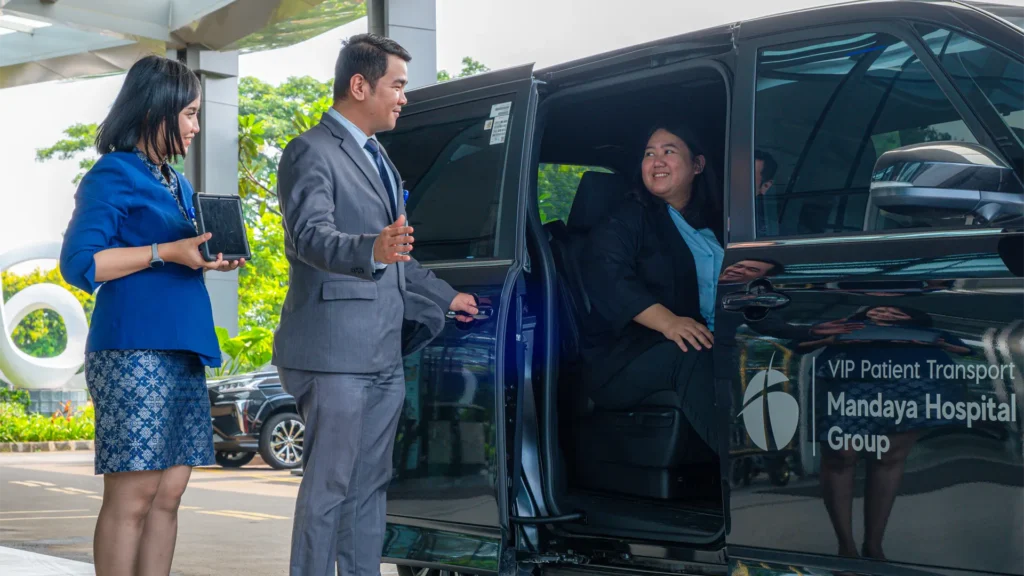
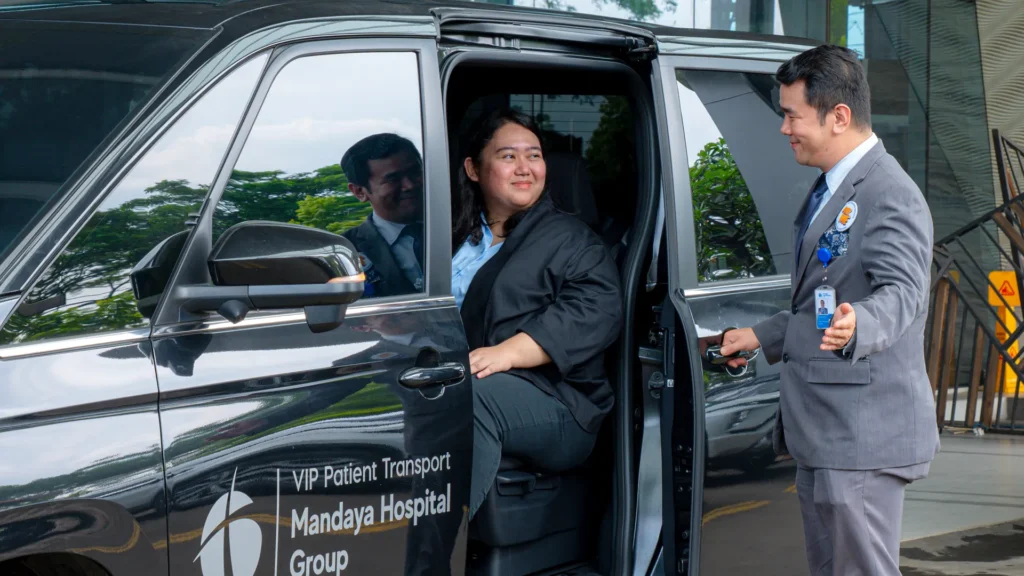
Mandaya Royal Hospital Puri provides various support services to ensure a more comfortable experience for patients traveling from other cities or countries:
- VIP transportation: A pickup service from Soekarno-Hatta International Airport, train stations, or seaports to the hospital in a comfortable vehicle, accompanied by a Patient Experience Officer (PEO).
- Medical ambulance pickup: A dedicated pickup service for patients with specific medical conditions from arrival points (airports, train stations, or seaports). The ambulance is equipped with medical equipment and accompanied by professional healthcare personnel.
- Accommodation (Sleep Hub and apartments): Comfortable accommodation for patients’ family members and companions, located on the 8th floor of the Mandaya Royal Puri building, as well as nearby apartment options.
- International Patient Relation: Dedicated assistance for international patients, including medical coordination, interpreter services, and administrative support. For information and assistance from the International Patient Relation team, please call 021 5092 8888 or email [email protected].
To make your visit to Mandaya Royal Hospital Puri more convenient, you can use the WhatsApp chat feature, Book Appointment service, or the Care Dokter application, available for download on Google Play and the App Store. These services allow you to arrange visits, check queue numbers, and access other important information.
The information on this page is provided for educational purposes and as a general overview. It may not cover all medical services that each doctor is qualified to perform. To ensure that you receive treatment appropriate to your health condition, we recommend consulting the relevant doctor directly.
For questions, suggestions, or further information, please contact our call center at 0811-1900-2000.

References:
- Mayo Clinic. Lymphedema – Symptoms and Causes. (https://www.mayoclinic.org/diseases-conditions/lymphedema/symptoms-causes/syc-20374682). Accessed on November 13, 2026.
- Cleveland Clinic. Lymphedema. (https://my.clevelandclinic.org/health/diseases/8353-lymphedema). Accessed on November 13, 2026.