



Uterine fibroids, also known as leiomyomas, are growths made up of muscle and connective tissue that develop in or around the uterus. They are relatively common among women and are generally benign, meaning they are not cancerous. However, fibroids can cause various symptoms, such as pelvic pain, heavy or irregular menstrual bleeding, although some women may not experience any symptoms at all.
So, can uterine fibroids cause miscarriage during pregnancy? The answer depends on the size, number, and location of the fibroids within the uterus. In certain cases, fibroids can affect pregnancy, potentially increasing the risk of miscarriage and interfering with fetal growth. To learn more about how fibroids may affect pregnancy, read the explanation from dr. Edward Tony Ngantung, Sp.OG, FESICOG, an obstetrician and gynecologist at Mandaya Royal Puri Hospital.

Contents
Can Uterine Fibroids Cause Miscarriage?
Can uterine fibroids cause miscarriage? According to dr. Edward, the risk depends on the size, location, and number of fibroids a patient has. Not all fibroids interfere with pregnancy, but certain types and locations may increase the risk of complications.
For example, fibroids that grow near the endometrium, or the inner lining of the uterus, may interfere with implantation, the process in which an embryo attaches to the uterine wall. This can affect fertility and increase the risk of miscarriage, particularly during the first trimester.
Fibroids may also interfere with fetal growth during pregnancy. The potential risks and effects vary from one patient to another, depending on the size, location, and number of fibroids. Therefore, an examination by an obstetrician and gynecologist is important to assess the fibroids and monitor the pregnancy.
Is Pregnancy with Uterine Fibroids Considered High-Risk?
Having uterine fibroids during pregnancy does not necessarily mean that a woman will have a high-risk pregnancy. The risk of complications depends on the type, size, and location of the fibroids, as well as the symptoms they cause. In fact, not every fibroid needs to be removed before a woman plans to become pregnant.
Submucosal fibroids, which develop beneath the endometrial lining or protrude into the uterine cavity, are among the types most strongly associated with an increased risk of pregnancy complications. Their presence can affect the embryo’s ability to implant and develop inside the uterus.
In addition to increasing the risk of miscarriage, certain fibroids may contribute to several pregnancy complications, including:
- Restricted fetal growth: Large fibroids can occupy space inside the uterus, limiting the room available for the fetus to grow and develop.
- Preterm labor: Large fibroids may affect the uterine environment and trigger contractions before 37 weeks of pregnancy.
- Fetal malpresentation: Fibroids can affect the position of the fetus inside the uterus, potentially resulting in a breech position. This may increase the likelihood of requiring a cesarean delivery.
Large intramural fibroids, which develop within the muscular wall of the uterus, may also pose similar risks. However, these complications do not necessarily occur in every pregnant woman with fibroids.
Can Uterine Fibroids Increase in Size During Pregnancy?
During pregnancy, the body undergoes significant hormonal changes, particularly during the first trimester. Increased hormone levels may stimulate fibroid growth, potentially causing some fibroids to increase in size during pregnancy.
However, changes in fibroid size do not occur in every woman. Some fibroids may remain the same size, while others may grow without causing significant symptoms. Many women with uterine fibroids also have healthy pregnancies without experiencing complications.
Some women only discover that they have uterine fibroids when they undergo an ultrasound examination during early pregnancy.
What Symptoms of Uterine Fibroids Should You Watch for During Pregnancy?
Some women with uterine fibroids do not experience any symptoms. However, when fibroids cause discomfort during pregnancy, the following symptoms may occur:
- Abdominal pain or discomfort.
- A feeling of pressure in the pelvic area.
- Constipation or difficulty passing stools.
- Increased frequency of urination.
- Lower back pain.
- Vaginal spotting or light bleeding.
In certain cases, an enlarging fibroid may develop red degeneration. This condition occurs when the fibroid’s growth exceeds its blood supply, causing changes or damage to part of the tissue. Red degeneration can cause significant abdominal pain.
In addition to abdominal pain, red degeneration may also cause abdominal swelling, nausea, vomiting, fever, and an increased heart rate. Pregnant women experiencing these symptoms should seek medical attention promptly to identify the underlying cause and receive appropriate treatment that considers the safety of both mother and baby.
Fibroid Treatment at Mandaya Royal Puri Hospital with HIFU: A Non-Surgical, Incision-Free Approach
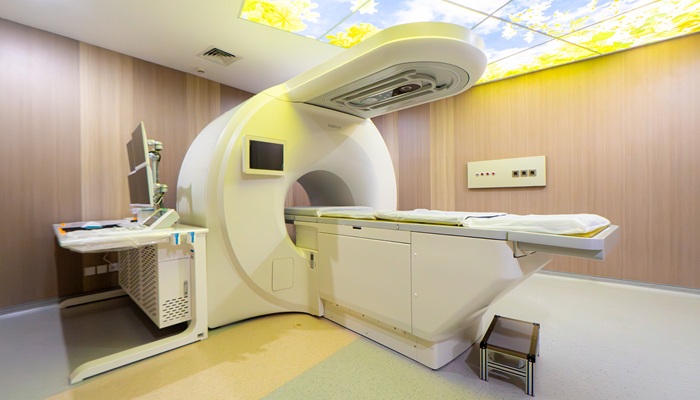
High-Intensity Focused Ultrasound, or HIFU, is a non-invasive medical procedure that uses highly focused, high-intensity ultrasound waves to treat targeted tissue, including uterine fibroids or benign tumors of the uterus.
Unlike conventional ultrasound examinations, which use sound waves to produce images of organs and body tissues, HIFU uses ultrasound energy to generate heat within the targeted tissue. This energy can damage fibroid tissue without requiring surgical incisions.
The way HIFU works can be compared to a magnifying glass focusing sunlight onto a single point. During the procedure, ultrasound waves are directed and concentrated on the fibroid tissue. The accumulated energy raises the tissue temperature to a level that can damage the fibroid cells.
In general, HIFU works through the following steps:
- Ultrasound waves are directed toward the fibroid. The doctor identifies the location of the fibroid to be treated and directs high-intensity ultrasound waves toward that area.
- The ultrasound energy is focused on the fibroid tissue. The waves are concentrated at a specific target point, allowing energy to accumulate within the tissue being treated.
- The fibroid tissue temperature increases. The focused energy generates heat within the fibroid until it reaches a temperature capable of damaging the cells.
- The fibroid tissue is damaged and gradually shrinks. The heating process causes the fibroid tissue to undergo ablation or tissue damage. Following treatment, the targeted tissue undergoes changes and gradually shrinks.
One of the advantages of HIFU technology is that ultrasound waves can pass through layers of body tissue without requiring incisions in the skin or uterus. The heat is concentrated within the predetermined fibroid area, helping minimize its impact on the surrounding healthy tissue.
During the procedure, doctors use imaging guidance, such as ultrasound or Magnetic Resonance Imaging (MRI), to identify the location of the fibroid and monitor the treatment process.
What Are the Advantages of HIFU for Treating Uterine Fibroids?
HIFU offers several advantages as a treatment option for patients with uterine fibroids who meet the appropriate medical criteria. This procedure uses focused ultrasound energy to damage fibroid tissue without requiring a hysterectomy or surgical incisions.
Some of the advantages of HIFU include:
1. No Surgical Incisions Required
HIFU is a non-invasive procedure, meaning doctors do not need to make incisions in the abdomen or uterus to reach the fibroid tissue. The procedure also does not use radiation.
2. Targeted Treatment of Fibroid Tissue
Ultrasound energy is focused on the fibroid tissue being treated. This approach helps protect the surrounding healthy tissue from the effects of heat.
3. Relatively Shorter Recovery Time
HIFU can generally be performed as an outpatient procedure, meaning patients do not always need to stay in the hospital. Recovery time may also be shorter compared with certain surgical procedures, although this depends on each patient’s individual condition.
Despite these advantages, HIFU is not suitable for every patient with uterine fibroids. The suitability of the procedure depends on the size, number, and location of the fibroids, as well as the patient’s overall health. Therefore, an examination and consultation with an obstetrician and gynecologist are necessary to determine the most appropriate treatment option.
Profile and Consultation Schedule of dr. Edward Tony Ngantung, Sp.OG, FESICOG, an Obstetrician and Gynecologist at Mandaya Royal Puri Hospital
dr. Edward Tony Ngantung, Sp.OG, FESICOG, is an obstetrician and gynecologist who treats a wide range of women’s reproductive health conditions, from pre-pregnancy care to various gynecological disorders. He also has experience in both vaginal and cesarean deliveries and is one of the obstetricians and gynecologists at Mandaya Royal Puri Hospital certified in HIFU for uterine fibroid treatment.
dr. Edward is also trusted by public figures, celebrities, and national athletes to assist them during important childbirth moments. Among the couples who have entrusted their deliveries to him are Indonesian badminton player Anthony Sinisuka Ginting and Mitzi Abigail, badminton athlete Jonatan Christie and Shanju, as well as popular content creators Nex Carlos and Vienesca Laurencia.
dr. Edward Tony Ngantung, Sp.OG, FESICOG, is available for consultations at Mandaya Royal Puri Hospital on the following schedule:
- Monday: 2:00 PM–4:30 PM
- Tuesday: 11:00 AM–2:00 PM
- Wednesday: 5:00 PM–8:00 PM
- Thursday: 5:00 PM–8:00 PM
- Friday: 10:00 AM–2:00 PM
- Saturday: 9:00 AM–1:00 PM
Facilities for Patients Traveling from Other Cities and International Patients at Mandaya Royal Puri Hospital


Mandaya Royal Hospital Puri provides various supporting facilities to make medical visits more comfortable for patients traveling from other cities or overseas, including:
- VIP Transportation: A convenient pick-up and drop-off service from Soekarno-Hatta International Airport, train stations, or seaports to the hospital, accompanied by a Patient Experience Officer (PEO).
- Medical Ambulance Pick-Up: A specialized transportation service for patients with specific medical conditions, available from arrival points such as airports, train stations, or seaports. The service is equipped with medical equipment and accompanied by professional healthcare personnel.
- Accommodation (Sleep Hub and Apartments): Comfortable accommodation for patients’ accompanying family members. The Sleep Hub is located on the 8th floor of the Mandaya Royal Puri building, with nearby apartment options also available.
- International Patient Relations: Dedicated assistance for international patients, including medical coordination, interpreter services, and administrative support. For further information or assistance, please contact +62 21 5092 8888 or email [email protected].
To make your visit to Mandaya Royal Hospital Puri more convenient, you can use the WhatsApp chat feature, Book Appointment service, or the Care Dokter application, available for download on Google Play and the App Store. These services make it easier to arrange visits, check queue numbers, and access other important information.
The information provided on this page is intended for educational purposes and general reference. It does not represent the full range of medical services that may be performed by each doctor. To determine the most appropriate treatment for your health condition, we recommend consulting the relevant doctor directly.
For questions, suggestions, or further information, please contact our call center at +62 811-1900-2000.

References:
- Cleveland Clinic. Uterine Fibroids. (https://my.clevelandclinic.org/health/diseases/9130-uterine-fibroids). Accessed November 12, 2026.
- Cleveland Clinic. Can Fibroids Affect Your Chances of Getting Pregnant or Having a Healthy Pregnancy? (https://health.clevelandclinic.org/can-fibroids-affect-your-chances-of-getting-pregnant-or-having-a-healthy-pregnancy). Accessed November 12, 2026.
- Cleveland Clinic. HIFU (High-Intensity Focused Ultrasound). (https://my.clevelandclinic.org/health/treatments/16541-hifu-high-intensity-focused-ultrasound). Accessed November 12, 2026.