


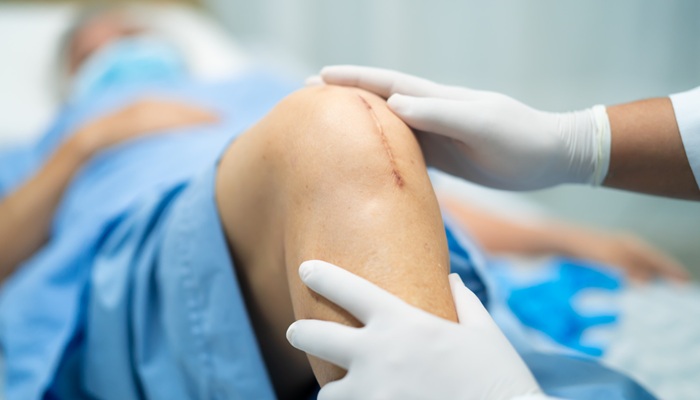
ACL surgery is a surgical procedure used to treat an injury to the anterior cruciate ligament (ACL), one of the main ligaments responsible for maintaining knee stability. This ligament connects the thighbone (femur) to the shinbone (tibia) and helps control knee movement to keep the joint stable.
ACL injuries commonly occur during sports or activities that involve sudden stops, jumping, pivoting, or quickly changing direction, such as soccer and basketball. Symptoms may include a popping sound in the knee, swelling, a feeling of instability, and pain when bearing weight.
Not all ACL injuries require surgery. Treatment depends on the severity of the injury and the patient’s condition, ranging from rest and physical therapy rehabilitation to surgery to replace the torn ligament. If surgery is necessary, it is followed by a rehabilitation program to help restore muscle strength, joint stability, and knee function.

Contents
How Is ACL Surgery Performed?
ACL surgery is generally performed using an arthroscopic or minimally invasive technique, which requires only a few small incisions around the knee. The procedure usually takes 1–3 hours, and most patients can go home on the same day.
Before surgery, patients will be asked to fast for several hours according to their doctor’s instructions. The procedure is performed under either general anesthesia (the patient is asleep during surgery) or spinal anesthesia (the patient remains conscious but cannot feel sensations from the waist down).
The following are the steps involved in arthroscopic ACL surgery:
- Examining the knee joint: The surgeon makes a small incision at the front of the knee and inserts an arthroscope, a thin tube equipped with a camera and light, to examine the ACL and check for damage to other knee tissues.
- Harvesting and placing the ligament graft: The surgeon makes several additional small incisions to replace the torn ACL with a tissue graft. This graft is usually taken from the patient’s hamstring tendon.
- Positioning and securing the graft: The graft is placed in the position of the damaged ACL and secured using screws or specialized fixation devices to keep it stable. These screws are generally left permanently inside the knee.
- Checking knee stability: The surgeon ensures that the graft is properly positioned, the ligament reconstruction is sufficiently secure, and the knee joint can move properly.
- Closing the surgical incisions: Once the procedure is complete, the surgeon closes the incisions using stitches or surgical clips and covers the surgical area with a bandage.
- Postoperative recovery: The patient is transferred to the recovery room until fully awake. The doctor may also prescribe pain medication to help reduce discomfort after surgery.
After ACL surgery, patients need to undergo physical therapy and gradual rehabilitation to restore muscle strength, joint stability, and normal movement.
What Is the Recovery Process After ACL Surgery?
Recovery after ACL surgery takes several months or longer, depending on the patient’s age, overall health, and how the body responds to the healing process. Most patients can return to their daily activities within a few months, but returning to sports may take up to a year.
For optimal recovery, patients need to follow their doctor’s recommendations and attend regular physical therapy sessions. The following are the stages of recovery after ACL surgery:
1. Recovery in the Hospital
After ACL surgery, patients are monitored before being cleared to go home. The recovery process in the hospital generally includes:
- Postoperative monitoring: Patients are placed in the recovery room and may receive pain medication to reduce discomfort.
- Learning to walk: Nurses and physical therapists help patients gradually start walking as soon as possible after surgery.
- Using assistive devices: Patients may need crutches and a knee brace to help maintain knee stability while walking.
- Care instructions: Before discharge, physical therapists provide guidance on daily activities and simple exercises that patients should perform at home.
Most patients can go home on the same day after surgery, provided their condition is stable and the medical team considers it safe.
2. Recovery at Home
After being discharged, patients must continue rehabilitation to restore muscle strength, joint stability, and knee mobility. The following are some important things to keep in mind during recovery at home:
- Performing exercises regularly: Follow the exercise program provided by your physical therapist from the early stages of recovery to help restore muscle strength and knee range of motion.
- Attending regular physical therapy sessions: Patients generally need to undergo physical therapy for several months after surgery to gradually restore knee function.
- Caring for the surgical wound: If the wound is closed with stitches or clips that need to be removed, the hospital will provide wound care instructions and a removal schedule.
- Attending follow-up appointments: Patients are usually scheduled for a follow-up examination around 2–3 weeks after surgery to evaluate healing and ensure recovery is progressing well.
Keep in mind that recovery time varies from one patient to another. Do not rush back into strenuous sports or physical activities until your doctor and physical therapist confirm that your knee is sufficiently strong and stable.
Does Every ACL Injury Require Surgery?
Not all ACL injuries need to be treated with surgery. For mild ligament tears, doctors may recommend nonsurgical treatment to relieve pain, reduce swelling, and restore knee function. Meanwhile, ACL surgery may be considered if the tear is severe, the knee is unstable, or the patient wants to return to high-intensity sports.
In addition to surgery, the following are some treatment options for ACL injuries:
1. RICE Method
During the early stages after an injury, patients are advised to avoid activities that place excessive pressure on the knee and follow the RICE method, which includes:
- Rest: Stop activities that caused the injury and avoid excessive use of the knee during recovery.
- Ice: Apply a cold compress or ice wrapped in a thin towel to the knee for approximately 15 minutes. Repeat several times a day.
- Compression: Use an elastic bandage to help reduce swelling around the knee.
- Elevation: Keep the knee and leg elevated above heart level to help reduce swelling.
2. Assistive Devices and Medication
Doctors may also recommend assistive devices and medications to relieve symptoms during recovery, such as:
- Crutches to help with walking and reduce the amount of weight placed on the knee.
- Knee braces to help maintain joint stability.
- Pain relievers, such as nonsteroidal anti-inflammatory drugs (NSAIDs) or paracetamol, as recommended by a doctor.
3. Physical Therapy
Physical therapy aims to restore muscle strength, joint stability, and knee mobility. The exercise program is tailored to the severity of the injury and each patient’s individual condition.
Can an ACL Injury Heal Without Surgery?
A completely torn ACL generally cannot reconnect or heal on its own. However, some people with mild tears may still be able to carry out their daily activities without surgery, particularly if they do not participate in sports or physical activities that place significant stress on the knee.
In contrast, patients who are physically active or want to return to high-intensity sports may need surgery to replace the torn ligament. The decision to undergo surgery should take into account the severity of the injury, knee stability, and the patient’s activity requirements.
Hip and Knee Orthopedic Specialists at Mandaya Royal Puri Hospital
If you have an ACL injury or persistent knee pain, an examination by an orthopedic specialist in hip and knee conditions is necessary to assess the extent of ligament damage and determine the most appropriate treatment, including whether ACL surgery is needed.
Mandaya Royal Puri Hospital has a team of orthopedic specialists in Hip & Knee conditions with experience treating various knee joint problems, ranging from ligament injuries and cartilage damage to conditions that require surgery.
The following are the hip and knee orthopedic specialists at Mandaya Royal Puri Hospital:
- dr. Paulus Ronald Hibono, Sp.OT (K) Hip & Knee
- dr. Ardi Setiawan, Sp.OT (K) Hip & Knee
- dr. Rahendra Pratama, Sp.OT (K) Hip & Knee
- dr. William Chandra, Sp.OT (K) Hip & Knee
The Mandaya Hip & Knee orthopedic team is available every Monday through Saturday. You can schedule a consultation to have your ACL injury evaluated, learn about available treatment options, and discuss surgery if necessary.
In addition to consultations, Mandaya provides comprehensive knee injury care, ranging from physical therapy and rehabilitation to help restore knee strength and stability to ACL surgery, depending on each patient’s condition.
With the support of modern orthopedic facilities and robotic surgery technology, Mandaya strives to provide treatment tailored to the severity of the injury and each patient’s activity requirements.
Facilities for Out-of-Town and International Patients at Mandaya Royal Puri Hospital

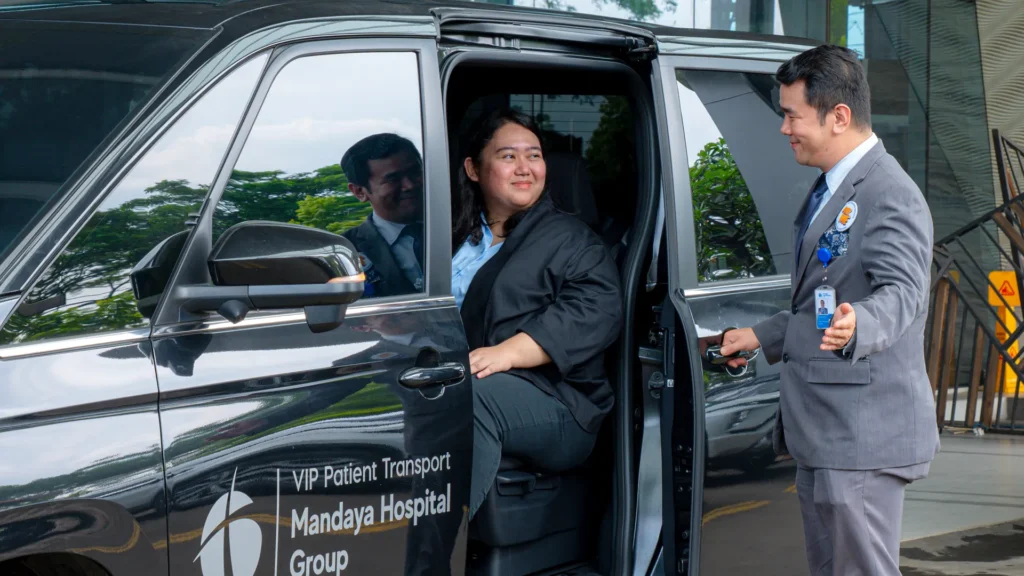
Mandaya Royal Hospital Puri provides various support facilities to ensure greater comfort for patients traveling from other cities or countries:
- VIP transport: A pickup service from Soekarno-Hatta International Airport, train stations, or seaports to the hospital in a comfortable vehicle accompanied by a Patient Experience Officer (PEO).
- Medical ambulance pickup: A dedicated pickup service for patients with specific medical needs from their arrival point (airport, train station, or seaport). The ambulance is equipped with medical equipment and accompanied by professional healthcare personnel.
- Accommodation (Sleep Hub & apartments): Comfortable accommodation for families accompanying patients, located on the 8th floor of the Mandaya Royal Puri building, with nearby apartment options also available.
- International Patient Relation: Dedicated assistance for international patients, including medical coordination, interpreter services, and administrative support. For more information and assistance, you can contact International Patient Relation at 021 5092 8888 or email [email protected].
To make your visit to Mandaya Royal Hospital Puri easier, you can use the WhatsApp Chat feature, Book Appointment service, or the Care Dokter app, available for download on Google Play and the App Store. These services allow you to manage your visit, check queue numbers, and access other important information.
The information on this page is provided for educational purposes and general reference. It does not represent the full range of medical services that each doctor may provide. To ensure that you receive treatment appropriate for your health condition, we recommend consulting directly with the relevant doctor.
If you have any questions, suggestions, or need further information, please contact our call center at 0811-1900-2000.

References
- Mayo Clinic. ACL Injury: Symptoms and Causes. (https://www.mayoclinic.org/diseases-conditions/acl-injury/symptoms-causes/syc-20350738). Accessed on November 16, 2026.
- NHS. ACL (Anterior Cruciate Ligament) Surgery: How It’s Done. (https://www.nhs.uk/tests-and-treatments/acl-anterior-cruciate-ligament-surgery/how-its-done/). Accessed on November 16, 2026.
- Cleveland Clinic. ACL Tear. (https://my.clevelandclinic.org/health/diseases/16576-acl-tear). Accessed on November 16, 2026.