


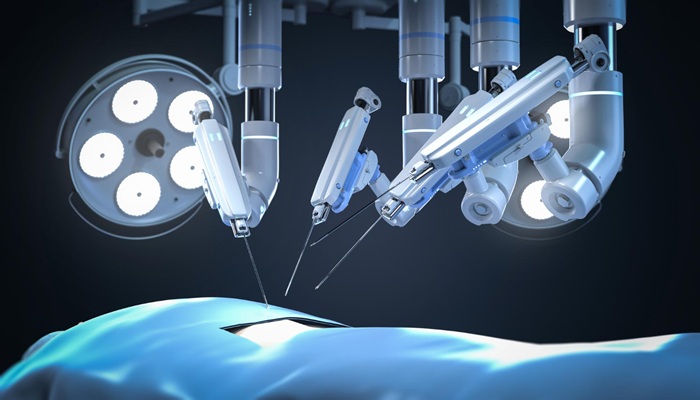
Robotic surgery is a surgical procedure that uses a robotic system to help doctors perform operations with greater precision, flexibility, and control. These procedures are often performed through small incisions, although the technology can also be used in open surgery in certain circumstances.
During the procedure, the surgeon controls robotic arms equipped with surgical instruments through a console located near the operating table. The system also features a camera that provides a magnified, high-definition, three-dimensional (3D) view of the surgical area. So, what are the purposes of robotic surgery, and what types of procedures can benefit from this technology?

Contents
The Purposes and Benefits of Robotic Surgery
Robotic surgery is performed to help doctors carry out surgical procedures that require a high degree of precision and control. With the assistance of a robotic system, surgeons can obtain a clearer view of the surgical area through magnified 3D visualization and manipulate surgical instruments with greater precision and flexibility.
This technology also enables surgeons to perform complex procedures that may be difficult to carry out using conventional surgical techniques.
Robotic surgery is often performed through small incisions, an approach known as minimally invasive surgery. This technique may offer several benefits, including:
- Reducing the risk of certain complications, such as surgical site infections.
- Reducing pain and blood loss during or after the procedure.
- Shortening hospital stays and supporting faster recovery.
- Leaving smaller, less noticeable scars.
However, the benefits may vary from patient to patient, depending on the type of surgery, overall health, and other factors. Robotic surgery is not necessarily the most appropriate option for every procedure, so doctors must determine the surgical approach that best suits each patient’s needs.
Can Robotic Surgery Allow Patients to Go Home Sooner?
Yes, robotic surgery may allow patients to go home sooner than conventional surgery, particularly when a minimally invasive approach is used. However, the length of hospital stay still depends on the type of surgery, the patient’s overall health, and whether any complications occur after the procedure.
In general, patients may experience the following during the initial recovery period:
- Getting out of bed: Patients may be able to get up and move around once the effects of anesthesia have worn off, following the medical team’s instructions.
- Resuming eating: Patients may be able to eat within a few hours after surgery, depending on the procedure and their physical condition.
- Going home sooner: For certain procedures, patients may be discharged on the same day or the following day.
Nevertheless, recovery times can vary. Doctors will evaluate each patient’s condition to ensure that it is safe to continue recovering at home.
Types of Robotic Surgery at Mandaya Royal Puri Hospital
The following are some of the robotic surgery technologies available at Mandaya Royal Puri Hospital.
1. Da Vinci Xi for Various Surgical Procedures
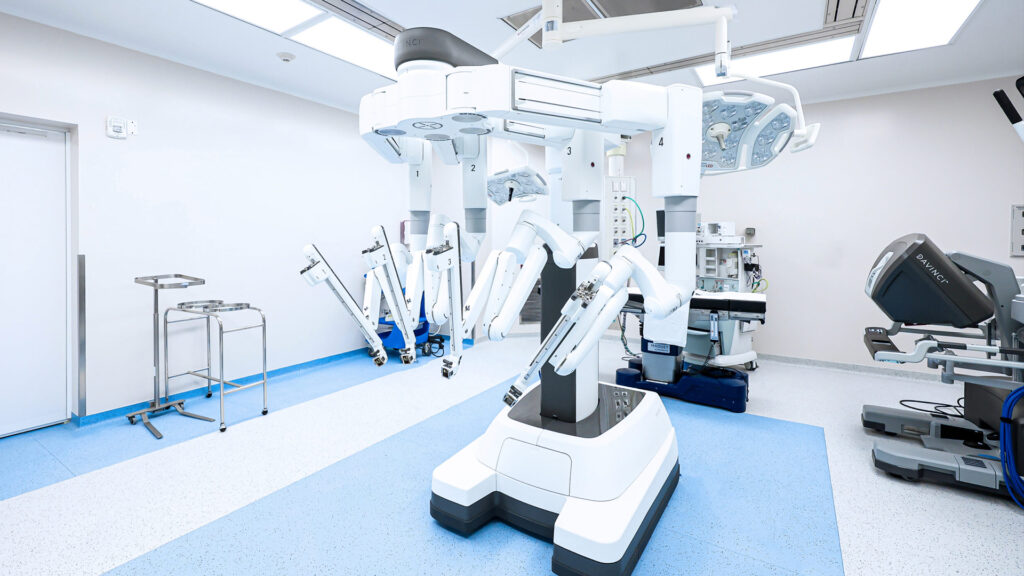
Da Vinci Xi is a robotic surgical system that helps doctors perform procedures with a high degree of precision. It features four instrument arms that are directly controlled by the surgeon through a console with high-definition 3D visualization. This enhanced view helps surgeons see organ structures and the surgical area more clearly throughout the procedure.
Each robotic arm is equipped with flexible instruments that can move similarly to a human wrist, but on a smaller scale. This flexibility allows surgeons to perform maneuvers more freely, including in narrow areas of the body or locations that may be difficult to reach using conventional surgical techniques. As a result, Da Vinci Xi can help improve precision and control during surgery.
At Mandaya Royal Puri Hospital, Da Vinci Xi is used not only for kidney tumor removal and various urological procedures but also to support surgeries in other specialties, including:
- Gynecological surgery, including hysterectomy, or surgical removal of the uterus.
- Hepatobiliary and pancreatic surgery, to treat conditions involving the liver, bile ducts, and pancreas.
- Urological surgery, to address various conditions affecting the urinary tract and male reproductive organs, including kidney transplantation.
- Colorectal surgery, involving the large intestine and rectum.
- Heart bypass surgery using the MICS technique, a minimally invasive approach to coronary artery bypass surgery.
2. Zamenix for Treating Large Kidney Stones
Zamenix is a medical robotic system specifically designed to help doctors treat kidney stones without open surgery. The technology can be used to locate, fragment, and remove kidney stones, including large stones measuring more than 2 cm in diameter.

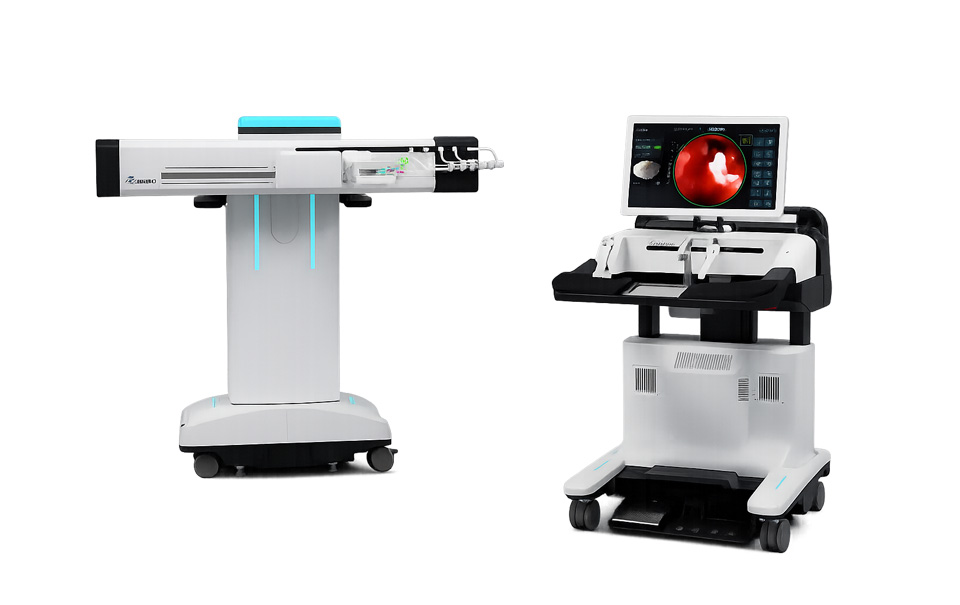
One of Zamenix’s key features is its flexible robotic arm. It can reach narrow spaces within the kidney, allowing doctors to guide instruments toward the stone more easily. Once the instrument reaches the stone, the surgeon can use a thulium laser to break it into small fragments, sometimes as fine as sand.
Very small fragments may pass naturally through the urine. Larger fragments can be retrieved using the Zamenix robotic arm, which is also equipped with a grasping mechanism. This technology helps doctors control both the fragmentation and removal of kidney stone fragments more precisely.
3. MonaLisa for More Precise Prostate Biopsies
MonaLisa is a robotic technology used to assist doctors in performing prostate biopsies with a high degree of precision. The system helps doctors accurately target areas of the prostate suspected of having abnormalities, allowing tissue samples to be collected from the intended locations.
With more precise targeting, MonaLisa may help improve the detection of prostate cancer at an early stage while reducing the risk of sampling errors.
4. CORI for More Precise Knee Replacement Surgery
The CORI Robotic Surgical System is a robotic navigation technology that helps doctors perform knee replacement surgery with a high degree of precision. It can be used for partial knee replacement, known as unicompartmental knee arthroplasty (UKA), as well as total knee replacement (TKR).
CORI uses real-time 3D mapping of the knee’s anatomy, allowing surgeons to adjust surgical planning and implant positioning based on each patient’s anatomical structure and condition. This mapping can also be performed without requiring the patient to undergo a CT scan before surgery.

The technology has undergone more than 20 years of clinical use and development and has been used in more than 120 countries. CORI is equipped with a smart surgical saw, which helps surgeons cut bone in a more controlled manner and position implants according to the patient’s knee anatomy. This approach may help improve surgical accuracy and support recovery after surgery.
In addition to knee replacement procedures, CORI can also support revision knee surgery, a procedure performed to replace part or all of a previously implanted knee prosthesis. According to information provided in Mandaya Royal Puri Hospital’s materials, CORI is the only robotic knee surgery system to have received approval from the U.S. Food and Drug Administration (FDA) for this revision knee indication.
5. 3D Brain Neuronavigation and Robotic Microscope Alignment for Brain Surgery
3D Brain Neuronavigation, combined with robotic microscope alignment, is an advanced technological combination that helps doctors perform neurosurgical procedures with a high degree of precision at Mandaya Royal Puri Hospital. The system works like a “GPS for the brain,” helping surgeons determine the location and direction of their actions more accurately during surgery.
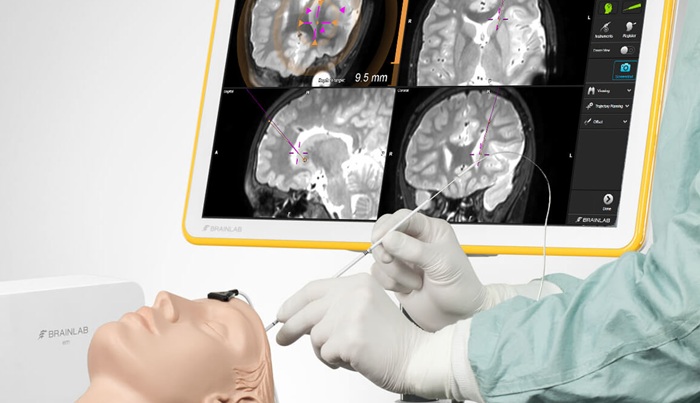
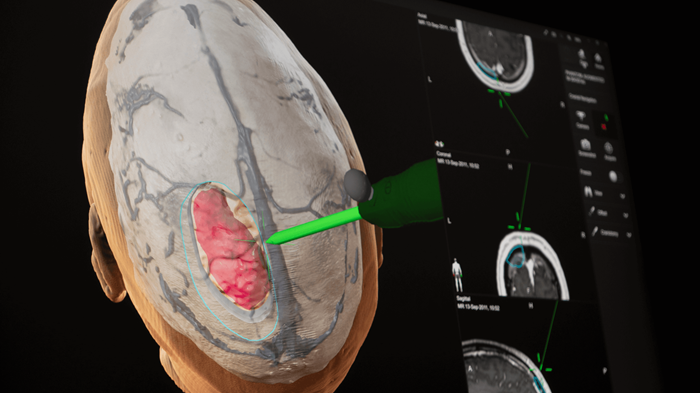
The navigation technology is integrated with an AI-powered robotic microscope, providing doctors with more detailed visual guidance when treating areas of the brain that are difficult to reach. Together, these technologies help surgeons work with greater precision and direction while supporting efforts to minimize the risk of damage to surrounding healthy brain tissue, particularly during brain tumor removal.
Facilities for Out-of-Town and International Patients at Mandaya Royal Puri Hospital


Mandaya Royal Puri Hospital provides various support services to ensure greater comfort for patients traveling from other cities or countries.
- VIP transportation: A pick-up service from Soekarno-Hatta International Airport, train stations, or ports to the hospital using comfortable vehicles, accompanied by a Patient Experience Officer (PEO).
- Medical ambulance pick-up: A dedicated pick-up service for patients with specific medical needs from their arrival point, such as an airport, train station, or port. The service includes medical equipment and assistance from professional healthcare personnel.
- Accommodation (Sleep Hub and apartments): Comfortable lodging for family members accompanying patients. The Sleep Hub is located on the eighth floor of the Mandaya Royal Puri building, with additional nearby apartment options available.
- International Patient Relations: Dedicated assistance for international patients, including medical coordination, interpreter services, and administrative support. For information and assistance, contact International Patient Relations at 021 5092 8888 or email [email protected].
To make your visit to Mandaya Royal Puri Hospital easier, use the WhatsApp chat feature, Book Appointment service, or the Care Dokter application, available for download on Google Play and the App Store. These services can help you arrange visits, check queue numbers, and access other relevant information.
The information on this page is intended for educational purposes and provides a general overview. It does not represent the full range of medical services that each doctor may perform. To determine the most appropriate treatment for your health condition, we recommend consulting the relevant doctor directly.
If you have questions, suggestions, or need further information, please contact our call center at 0811-1900-2000.

References
- Mayo Clinic. Robotic Surgery. (https://www.mayoclinic.org/tests-procedures/robotic-surgery/about/pac-20394974). Accessed October 24, 2026.
- Cleveland Clinic. Robotic Surgery. (https://my.clevelandclinic.org/health/treatments/22178-robotic-surgery). Accessed October 24, 2026.