


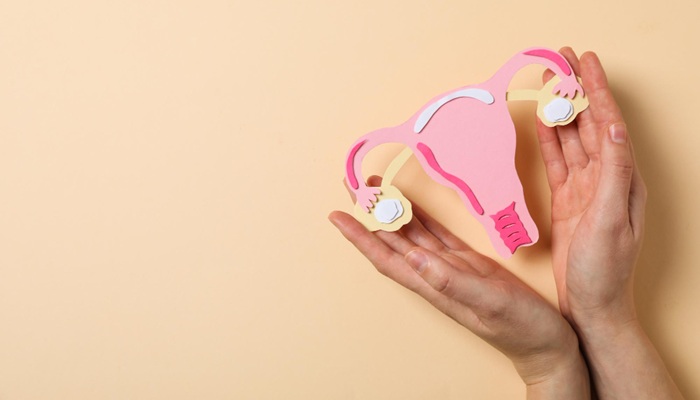
Uterine fibroids are non-cancerous tumors that grow in the wall or muscle of the uterus and are most commonly experienced by women of reproductive age. This condition can cause various symptoms, such as lower abdominal pain, heavy menstrual bleeding, a feeling of fullness in the abdomen, and even fertility problems. In managing fibroids, there are several treatment options available, ranging from medications to control symptoms, minimally invasive procedures, to surgical interventions. Doctors will determine the most suitable therapy based on the size, number, and location of the fibroids, as well as the patient’s overall health condition and future pregnancy plans.

Contents
HIFU Technology for Treating Fibroids Without Incisions and With Minimal Pain | Mandaya Royal Hospital Puri
As a hospital equipped with modern medical technology, Mandaya Royal Hospital Puri offers a non-surgical solution for uterine fibroids through High-Intensity Focused Ultrasound (HIFU) technology. This method allows fibroid tissue to be destroyed without incisions and without removing the uterus. HIFU treatment at Mandaya Royal Hospital Puri is supported by a team of obstetrics and gynecology specialists who have undergone intensive HIFU training in China, ensuring patients receive safe, targeted therapy that meets international standards.
Uterine Fibroid Treatment Options
1. Medication
Several types of medications can help relieve fibroid symptoms, including:
- Pain relievers such as paracetamol or ibuprofen to reduce discomfort.
- Iron supplements if the patient experiences anemia due to heavy bleeding.
- Hormonal contraceptives (birth control pills, injections, vaginal rings, or IUDs) to reduce menstrual bleeding and cramps.
- Certain hormonal medications (GnRH agonists) that can temporarily shrink fibroids, usually used before surgery to make the procedure easier. However, the effects are temporary and fibroids may regrow after discontinuation.
- Oral medications such as elagolix or tranexamic acid to help reduce heavy menstrual bleeding.
Before taking any medication, it is important to consult a doctor to ensure safety and suitability.
2. Surgical Removal of Fibroids
If symptoms are severe or fibroids are large, surgery may be recommended. The type of surgery depends on the size, number, and location of the fibroids, as well as the patient’s future pregnancy plans.
Myomectomy is a procedure to remove fibroids while preserving the uterus, allowing the possibility of future pregnancy. Types include:
- Hysteroscopy: Fibroids are removed through the vagina without abdominal incisions.
- Laparoscopy: Fibroids are removed through several small incisions in the abdomen.
- Laparotomy: Fibroids are removed through a larger abdominal incision.
3. Hysterectomy (Uterus Removal)
If the patient does not plan to become pregnant and experiences very heavy bleeding or large fibroids, a hysterectomy may be recommended. This procedure permanently eliminates fibroids because once the uterus is removed, fibroids cannot grow back. However, it also means the patient can no longer become pregnant.
4. Non-Surgical or Minimally Invasive Procedures
In addition to surgery, there are non-surgical options, such as:
- Uterine Fibroid Embolization (UFE): A small catheter is inserted into the blood vessels supplying the fibroid, and tiny particles are injected to block blood flow. Without blood supply, the fibroid shrinks.
- Radiofrequency Ablation (RFA): Uses heat energy to destroy fibroid tissue. It is typically effective for smaller fibroids and performed in women who have not yet reached menopause.
Each patient’s condition is unique, so the best treatment option should be discussed with a doctor. Understanding the available therapies helps patients make informed decisions based on their health needs and future plans.
Understanding HIFU Technology at Mandaya Royal Hospital Puri: Treating Fibroids Without Surgery
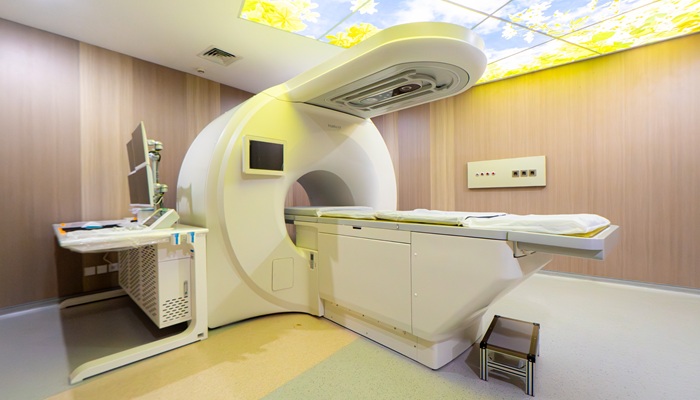
HIFU (High-Intensity Focused Ultrasound) is a modern, non-invasive treatment method that does not require surgery. This technology uses high-intensity sound waves focused on a specific point to generate heat, effectively and precisely destroying fibroid tissue.
According to dr. Gracia Merryane R.G. Rauw, Sp.OG, an obstetrics and gynecology specialist and HIFU expert at Mandaya Royal Hospital Puri:
“HIFU is a non-invasive technology that uses high-intensity sound waves to heat and destroy fibroid tissue without incisions, without radiation, and without removing the uterus.”
Compared to conventional surgery, HIFU does not require incisions, does not cause skin wounds, and does not involve radiation. The uterus is preserved, making it a suitable option for patients who wish to plan a future pregnancy.
How Is the HIFU Procedure Performed?
The HIFU procedure is carried out systematically and guided by advanced imaging technology to ensure treatment precision. The general process includes:
- The patient lies in a prone position on a special HIFU treatment table.
- The HIFU device emits ultrasound waves from beneath the body toward the fibroid location.
- The doctor first determines and maps the fibroid’s position using an integrated imaging system.
- High-intensity ultrasound waves are precisely focused on the fibroid tissue to gradually heat and destroy it without damaging surrounding healthy tissue.
- During the procedure, the patient receives mild sedation for comfort but remains conscious and able to communicate with the medical team.
- After the procedure, there are no surgical incisions or scars.
Generally, patients can return home on the same day or within about one day, with a faster recovery time compared to open surgery. Overall, the procedure is designed to be effective, low-risk, and focused on patient comfort.
Advantages of HIFU for Treating Fibroids
As a non-surgical technology, HIFU offers several advantages, including:
- No incisions
- Minimal pain
- No radiation
- Uterus preservation
- Very low risk of bleeding
- Shorter recovery time
- Faster return to daily activities
“This method is safe because it minimizes bleeding and allows patients to recover more quickly and return to their activities,” emphasized dr. Gracia.
With this non-invasive approach, patients can avoid risks commonly associated with open surgery, such as surgical wound infections and significant bleeding.
To make your visit to Mandaya Royal Hospital Puri easier and to consult about HIFU, you can use the WhatsApp Chat feature, Book Appointment service, or download the Care Dokter application on Google Play and the App Store to schedule visits, check queue numbers, and access other complete information.