


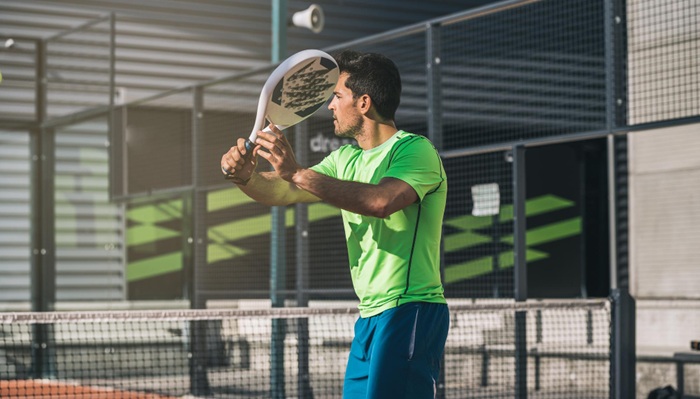
Tendinitis is an inflammation of thick, fibrous tissue known as tendons, which function to connect muscles to bones. This condition commonly causes pain and tenderness, especially when pressure is applied, and often occurs around joints.
Tendinitis can affect any tendon, but it most frequently occurs around the shoulders, elbows, wrists, knees, and heels. In padel, repetitive racket swinging motions, sudden changes in direction, and intense gripping activities can place excessive stress on the tendons. Without proper technique and adequate rest, padel players are at higher risk of developing tendinitis, which may interfere with athletic performance and daily activities.
At Mandaya Royal Hospital Puri, we are supported by an experienced orthopedic specialist who is highly skilled in treating padel-related injuries, particularly those affecting the upper extremities: dr. Jecky Chandra, M.Kes, Sp.OT (K), CIPS, AIFO-K.

Contents
Recognizing the Symptoms of Tendinitis
Symptoms of tendinitis usually appear in the area where the tendon attaches to the bone. Common symptoms include:
- Pain that feels like soreness or a dull ache, especially when moving the injured limb or joint
- Tenderness when pressure is applied
- Mild swelling in the affected area
If left untreated, tendinitis can increase the risk of tendon damage or tearing. In cases of severe or complete tendon tears, surgical intervention may be required to restore tendon function.
Causes of Tendinitis in Padel Sports
Tendinitis may occur due to a sudden injury. However, in many cases, it develops as a result of repetitive movements performed over a prolonged period. Most people experience tendinitis due to work or hobbies that require repeated use of the same motion, placing continuous stress on the tendons.
In padel, repetitive racket swings, ball strikes, and continuous gripping motions significantly increase the risk of tendinitis. Therefore, proper technique is essential, especially for those who engage in padel regularly. Incorrect movement patterns can overload the tendons and eventually trigger inflammation.
Tendinitis Treatment Options
Treatment for tendinitis depends on the severity of the condition and the patient’s overall health. Common treatment options include:
1. Medications
Medications commonly used to manage tendinitis include:
- Pain relievers. Aspirin, naproxen sodium, ibuprofen, or acetaminophen can help relieve pain caused by tendinitis. However, long-term use may cause side effects such as stomach irritation, kidney problems, or liver issues. Topical pain-relief creams or ointments may also be applied directly to the skin to reduce pain without systemic side effects.
- Steroid injections. Steroid injections around the tendon may help reduce pain and inflammation. However, this option is generally not recommended for tendinitis lasting longer than three months, as repeated injections may weaken the tendon and increase the risk of rupture.
2. Physiotherapy
Physiotherapy exercises help strengthen muscles and tendons. One effective approach for chronic tendinitis is eccentric strengthening exercises, which focus on muscle contraction while the muscle is lengthening.
3. Surgery and Other Procedures
If physiotherapy does not adequately relieve symptoms, doctors may recommend additional procedures, such as:
- Dry needling. Performed under ultrasound guidance, this procedure involves creating small punctures in the tendon using fine needles to stimulate the healing process.
- Surgery. In severe tendon injuries, particularly when the tendon detaches from the bone, surgical repair may be necessary to restore function.
Tendinitis Specialist at Mandaya Royal Hospital Puri: dr. Jecky
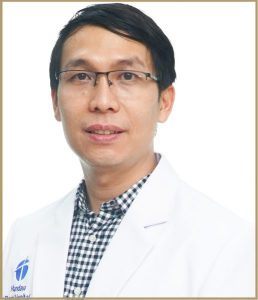
To treat padel-related injuries affecting the upper extremities—such as tendinitis of the elbow, arm, or shoulder—Mandaya Royal Hospital Puri is supported by a highly qualified orthopedic specialist, dr. Jecky Chandra, M.Kes, Sp.OT (K), CIPS, AIFO-K. With extensive experience treating sports injuries, especially those related to padel, he has a deep understanding of injury patterns commonly affecting the upper limbs.
dr. Jecky is a consultant orthopedic and traumatology specialist with a focused expertise in fingers, hands, elbows, and shoulders. He is experienced in performing advanced orthopedic procedures, including finger reattachment following traumatic amputation, as well as treating congenital conditions such as syndactyly and polydactyly. These procedures are performed using microsurgical techniques, which require high precision to restore optimal tissue structure and function.
dr. Jecky began his medical education at the Faculty of Medicine, Hasanuddin University, Makassar, followed by a Master’s degree in Health Sciences (M.Kes) and specialist training in Orthopedics and Traumatology at the same institution. To further enhance his clinical expertise, he has completed various advanced training programs, including the Comprehensive Course in Musculoskeletal Pain Intervention and Regeneration at Precursor, Universitas Padjadjaran, Bandung, and passed the National Certification Exam in Sports Physiology, earning the AIFO-K title.
His expertise was further strengthened after completing a subspecialty/consultant program in Hand, Upper Limb, and Microsurgery at Dr. Soetomo General Hospital in collaboration with Universitas Airlangga, Surabaya. Additionally, he holds an international certification from the World Institute of Pain (WIP) as a Certified Interventional Pain Sonologist (CIPS), obtained in Budapest, Hungary.
Practice Schedule of dr. Jecky – Elbow Injury Specialist at Mandaya Royal Hospital Puri
dr. Jecky Chandra, M.Kes, Sp.OT (K), CIPS, AIFO-K is available at Mandaya Royal Hospital Puri on:
- Monday: 08.00 – 12.00 WIB
- Tuesday: 08.00 – 12.00 WIB
- Wednesday: 13.00 – 17.00 WIB
- Thursday: 13.00 – 17.00 WIB
- Friday: 08.00 – 12.00 WIB
- Saturday: 17.00 – 20.00 WIB
To make your visit more convenient, you can use the WhatsApp Chat feature, Book Appointment service, or the Care Dokter application available on Google Play and the App Store to schedule visits, check queue numbers, and access complete information.