


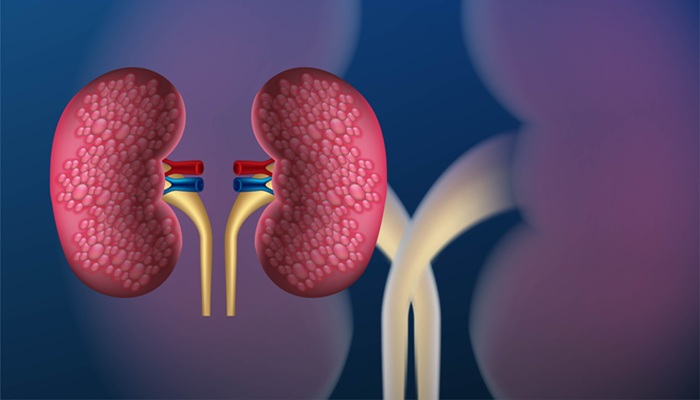
Nephrectomy is a surgical procedure performed to remove part or all of a kidney. It is most commonly carried out to treat kidney cancer or to remove non-cancerous tumors. This procedure is performed by a urologist, a specialist with expertise in the urinary tract system and male reproductive organs.
In general, nephrectomy is divided into two main types: radical nephrectomy, which involves removing the entire kidney, and partial nephrectomy, which removes only a portion of the kidney while preserving healthy, functioning tissue.
At Mandaya Royal Hospital Puri, nephrectomy can be performed using the advanced da Vinci Xi robotic surgical system, enabling highly precise and minimally invasive procedures.

Contents
Understanding the da Vinci Xi Robot for Nephrectomy
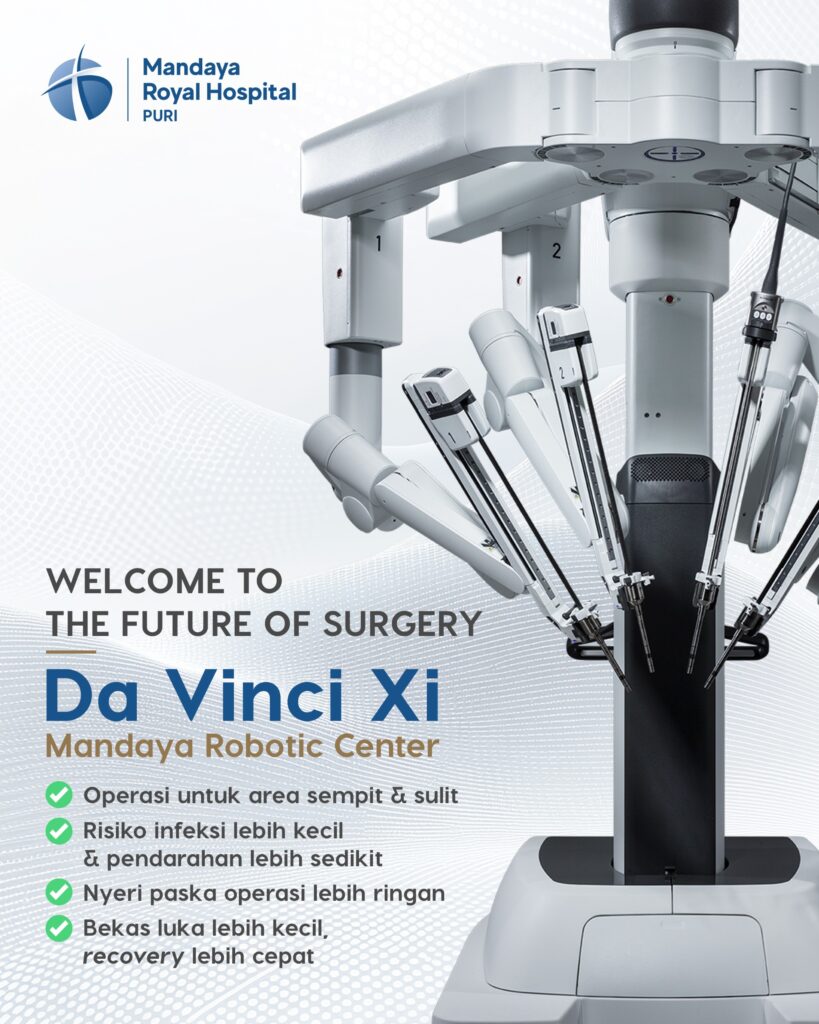
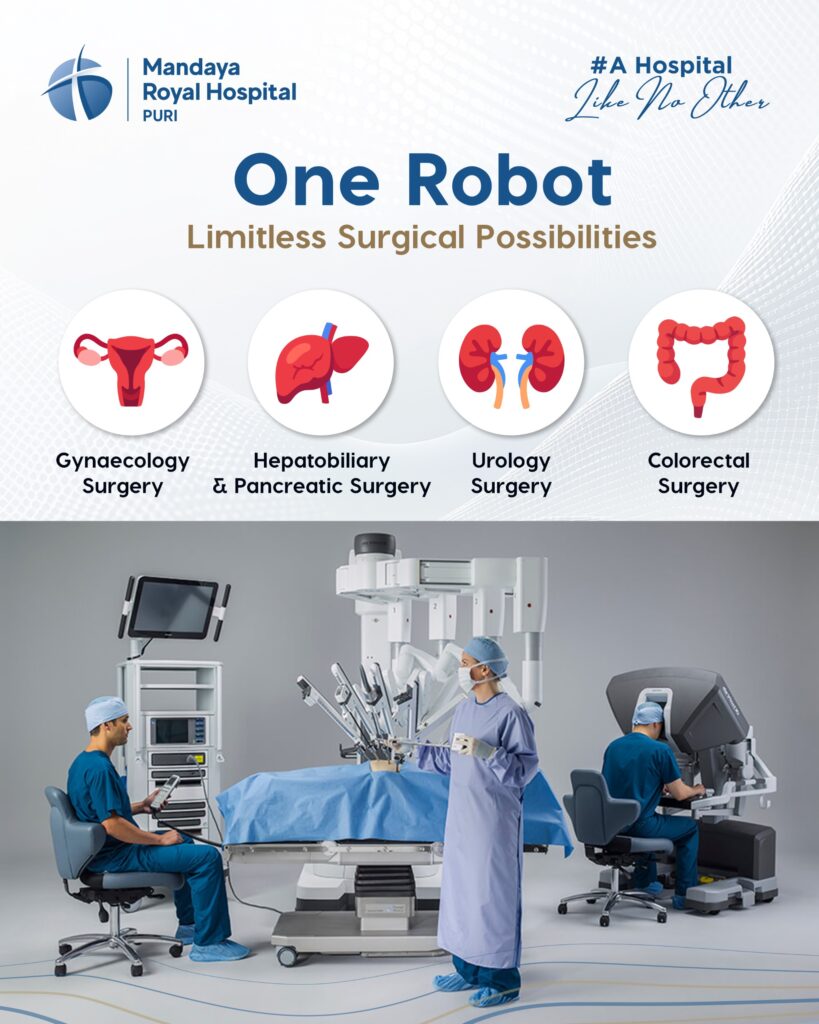
The da Vinci Xi is an advanced robotic surgical system designed to assist surgeons in performing procedures with exceptional precision. It features four robotic arms that are fully controlled by the surgeon through a dedicated console, supported by high-resolution three-dimensional (3D) visualization for clearer, sharper, and more detailed views of the body’s internal structures.
In addition, the robotic arms offer excellent flexibility and can replicate human hand movements on a smaller and more stable scale. This allows surgeons to access narrow or hard-to-reach areas more effectively, enabling more accurate and controlled procedures while supporting optimal surgical outcomes.
Surgical Procedure with the da Vinci Xi Robot
The steps involved in robotic surgery using the da Vinci Xi system may vary depending on the type of procedure. However, in general, the process includes the following stages:
- The patient is first given general anesthesia by an anesthesiologist to ensure they remain asleep throughout the procedure.
- The medical team prepares the da Vinci Xi system and positions the robotic arms near the surgical area.
- The surgeon makes several small incisions in the targeted area, depending on the type and location of the procedure.
- Miniaturized surgical instruments are inserted through these small incisions.
- The instruments are then attached to the robotic arms to enable precise movements.
- The surgeon operates the system from a dedicated console while viewing the surgical area through a high-definition 3D display.
- From this console, the surgeon controls all instrument movements. The robotic arms can move with exceptional flexibility, mimicking the human wrist, allowing access to narrow spaces with high accuracy. Importantly, all movements are fully controlled by the surgeon at all times.
- Once the procedure is complete, the instruments are removed and the small incisions are closed.
In laparoscopic nephrectomy procedures performed with robotic assistance such as the da Vinci Xi, patients benefit from minimally invasive techniques. At the same time, surgeons gain advantages including high-definition 3D visualization inside the body, the use of small instruments with a greater range of motion than the human hand, and enhanced dexterity and clarity. These features enable highly precise, accurate, and controlled movements throughout the procedure.
Advantages of da Vinci Xi Robotic Surgery at Mandaya Royal Hospital Puri
The use of the da Vinci Xi robotic system at Mandaya Royal Hospital Puri offers numerous benefits for patients, both during surgery and throughout recovery.
During surgery:
- Reduced blood loss
- Minimal tissue trauma
- Smaller incisions, resulting in a minimally invasive procedure
After surgery:
- Lower risk of complications and infection
- Reduced postoperative pain
- Smaller and more aesthetically pleasing scars
- Faster return to daily activities
- Shorter hospital stays
- Overall quicker and more optimal recovery
If you would like to learn more about robotic nephrectomy with da Vinci Xi, feel free to visit Mandaya Royal Hospital Puri and consult with our team of urology specialists.
For your convenience, you can use the WhatsApp Chat feature, Book Appointment service, or the Care Dokter app—available on Google Play and the App Store—to schedule visits, check queue numbers, and access more information.