


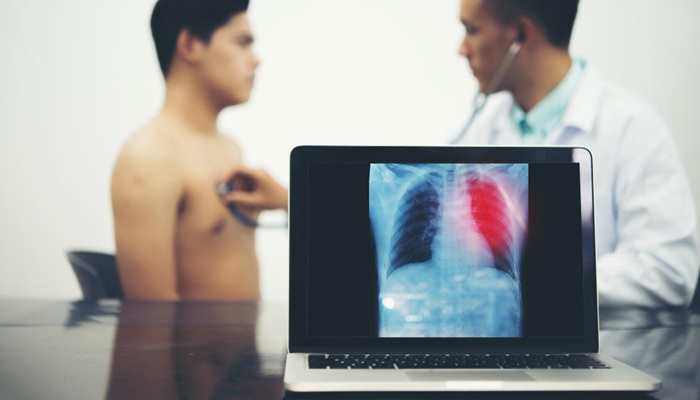
Deep Vein Thrombosis (DVT) is far more dangerous than just causing swollen legs. Its most severe complication is pulmonary embolism (PE), a condition in which a blood clot from the leg breaks loose and blocks the blood vessels in the lungs. Dr. Suci Indriani, Sp.JP (K), FIHA, a cardiovascular specialist at Mandaya Royal Hospital Puri, explains why this condition is extremely life-threatening.

“A blood clot in the leg can detach. That’s what causes another fatal condition called pulmonary embolism. Pulmonary embolism is a medical emergency,” emphasizes Dr. Suci.
A pulmonary embolism occurs when a blood clot gets stuck in the pulmonary arteries, blocking blood flow to the lungs. These clots most commonly originate in the legs and travel through the right side of the heart before reaching the lungs.

Contents
Why Is Pulmonary Embolism So Dangerous?
Dr. Suci explains clearly why PE can be fatal: “If the main pulmonary blood vessel becomes blocked because a clot from the leg travels to the lungs, imagine what happens—the blood supply to the lungs suddenly stops. And if blood cannot enter the lungs, no blood returns to the heart.”
Impact on the Heart and the Body
When blood flow to the lungs is obstructed:
- The right side of the heart dilates — it struggles to pump blood into blocked pulmonary arteries
- No blood returns to the heart — because blood cannot be oxygenated in the lungs
- The right heart can fail — due to excessive strain
- Blood pressure drops drastically — reducing blood flow to the legs, kidneys, and brain
“Lack of blood flow leads to extremely high mortality. The death rate can reach 25–65% when the clot is large and located in the main pulmonary arteries,” says Dr. Suci.
Pulmonary embolism is the third most common cause of cardiovascular death after heart attack and stroke.
Symptoms of Pulmonary Embolism to Watch Out For
According to Dr. Suci, symptoms of pulmonary embolism are often nonspecific, making them difficult to detect.
Main symptoms:
1. Sudden shortness of breath
“The main symptom is shortness of breath. But shortness of breath can be caused by many conditions — lung problems, heart disease, even kidney issues,” explains Dr. Suci.
This symptom can appear during activity or at rest.
2. Fainting
“Sometimes patients collapse immediately because blood volume suddenly drops and blood pressure falls,” she adds.
3. Hemodynamic instability
- Blood pressure drops sharply
- Reduced blood flow to vital organs
- Cold hands and feet
Other possible symptoms:
- Sharp chest pain that worsens with deep breathing
- Rapid or irregular heartbeat
- Coughing, sometimes with blood
- Lightheadedness or dizziness
- Excessive sweating
“If someone suddenly becomes short of breath, we must be suspicious. It’s not always pulmonary embolism, but it has to be considered,” says Dr. Suci.
Why Massaging a Swollen Leg Can Be Fatal
Dr. Suci gives a critical warning: “If the clot is new, it’s still soft and barely attached to the vein wall. When manipulated or massaged, it can dislodge.”
When a clot breaks loose due to massage:
- It enters the bloodstream
- Reaches the right side of the heart
- Is pushed into the pulmonary arteries
- Blocks the lung vessels
- Causes pulmonary embolism
“That’s why massaging a swollen leg without knowing the cause is extremely dangerous. It must be examined first to check whether it is DVT,” stresses Dr. Suci.
Diagnosing Pulmonary Embolism
Dr. Suci explains the diagnostic methods:
1. Echocardiography (Heart Ultrasound)
“We can see right heart enlargement, abnormal motion, and signs of increased pressure—suggesting a blockage in the pulmonary arteries.”
2. CT Scan
“CT scan clearly shows the anatomy of the pulmonary vessels and the exact location of the blood clot.” CT pulmonary angiography is the gold standard for diagnosing PE.
3. Blood Tests
- D-dimer to detect clot breakdown products
- Arterial blood gases
- Troponin and BNP
4. Ventilation/Perfusion (V/Q) Scan
Evaluates airflow and blood flow in the lungs; often used for pregnant women or patients with kidney disease.
Time Is Critical
Dr. Suci emphasizes urgency:
“Patients can die within hours. Blood flow to the lungs stops abruptly, making the mortality rate extremely high, especially with large clots that go undetected.”
“If treatment is delayed, there’s often nothing more we can do. Acute cases are typically within two weeks—but treatment must be done as soon as possible,” she explains.
The Importance of Knowing Your DVT History
“If swelling returns, especially in someone with a past history of DVT — for example during the COVID era — they must not get a massage. It needs medical evaluation,” warns Dr. Suci.
High-Risk Groups
Those who are at greater risk of pulmonary embolism include:
- Patients with active or newly diagnosed DVT
- Post-operative patients — especially hip and knee surgeries
- Cancer patients
- People with inherited clotting disorders
- Autoimmune patients
- Individuals who recently traveled long distances — especially flights longer than 3 hours
Preventing Pulmonary Embolism
The best prevention is to avoid DVT in the first place:
- Move regularly — especially after surgery or during long trips
- Avoid crossing your legs when sitting
- Wear compression stockings if at high risk
- Take prophylactic blood thinners when recommended
- Stay hydrated
- Perform leg exercises — flex toes and ankles frequently
“Don’t go straight to a massage therapist after a long flight if your legs are swollen. You must get checked first. If the swelling is due to DVT, massaging it can dislodge the clot and cause fatal pulmonary embolism.”
“Always be alert when experiencing unusual swelling, especially if it’s painful. Get it checked first — a small mistake can lead to fatal consequences.”
Pulmonary embolism is a highly dangerous and life-threatening complication of DVT. Recognizing early symptoms and seeking timely treatment are crucial to saving lives. If you experience sudden shortness of breath, especially with a history of leg swelling or DVT risk factors, seek emergency medical help immediately.
Mandaya Royal Hospital Puri — Dr. Suci Indriani, Sp.JP (K), FIHA, Cardiologist, Vascular Medicine & Interventional Cardiology Consultant
Clinic Hours:
- Monday: 17:00 – 20:00 WIB
- Friday: 17:00 – 20:00 WIB
To make your visit easier, use the Chat via WhatsApp feature, Book Appointment service, or the Care Dokter app available on Google Play and the App Store to manage queue numbers and access complete visitor information.