


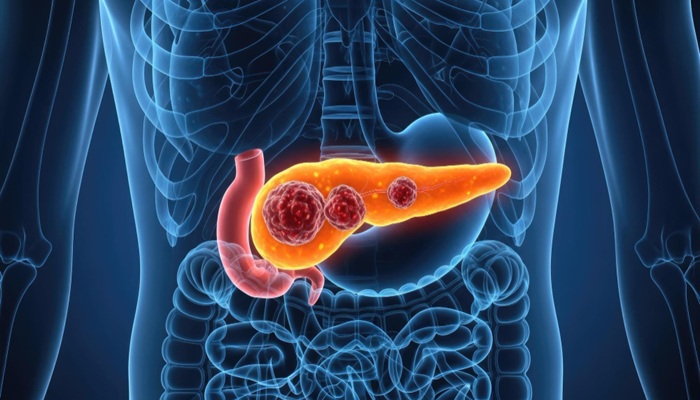
Pancreatic cancer is a condition where abnormal cells in the pancreas grow uncontrollably and form malignant tumors. This disease is often difficult to detect early because the symptoms are usually non-specific, such as abdominal pain radiating to the back, unexplained weight loss, nausea, and yellowing of the skin and eyes (jaundice). Treatment options vary depending on the stage and condition of the patient, and may include surgery, chemotherapy, radiation therapy, and immunotherapy.
At Mandaya Royal Puri Hospital, HIFU (High-Intensity Focused Ultrasound) is available as a modern treatment option for pancreatic cancer. This method uses high-intensity sound waves focused directly on the tumor, helping to destroy cancer cells without open surgery or radiation, while offering a more comfortable alternative for patients.

Contents
Types of pancreatic cancer treatment at Mandaya Royal Puri Hospital
The following are some treatment options that may be recommended based on the patient’s condition:
1. Surgery
Surgery can potentially cure pancreatic cancer, but not all patients are eligible. It is usually performed when the cancer has not spread to other organs. If the tumor is large or involves nearby blood vessels, doctors may start with other treatments such as chemotherapy before considering surgery.
Types of pancreatic cancer surgery include:
- Whipple procedure: Removal of the head of the pancreas along with part of the small intestine, bile duct, and sometimes part of the stomach and lymph nodes.
- Distal pancreatectomy: Removal of the body and tail of the pancreas, often including the spleen.
- Total pancreatectomy: Removal of the entire pancreas, requiring lifelong enzyme and hormone replacement therapy.
- Vascular surgery: A more complex procedure when cancer involves nearby blood vessels.
Each surgery carries risks such as bleeding, infection, and temporary digestive issues. Recovery may take several days in the hospital and weeks at home.
2. Chemotherapy
Chemotherapy uses drugs to kill cancer cells. These can be given through an IV or taken orally. It may be used before surgery, after surgery, or as the main treatment when surgery is not possible. In advanced cases, chemotherapy helps control the disease and relieve symptoms such as pain.
3. Radiation therapy
Radiation therapy uses high-energy beams to destroy cancer cells. It can be performed before or after surgery and is often combined with chemotherapy. If surgery is not an option, this combination may help shrink the tumor. Radiation also helps relieve symptoms such as pain.
4. Immunotherapy
Immunotherapy helps the body’s immune system recognize and fight cancer cells. It is usually used in specific cases, particularly when the cancer has certain genetic characteristics that respond to this treatment.
HIFU for pancreatic cancer at Mandaya Royal Puri Hospital
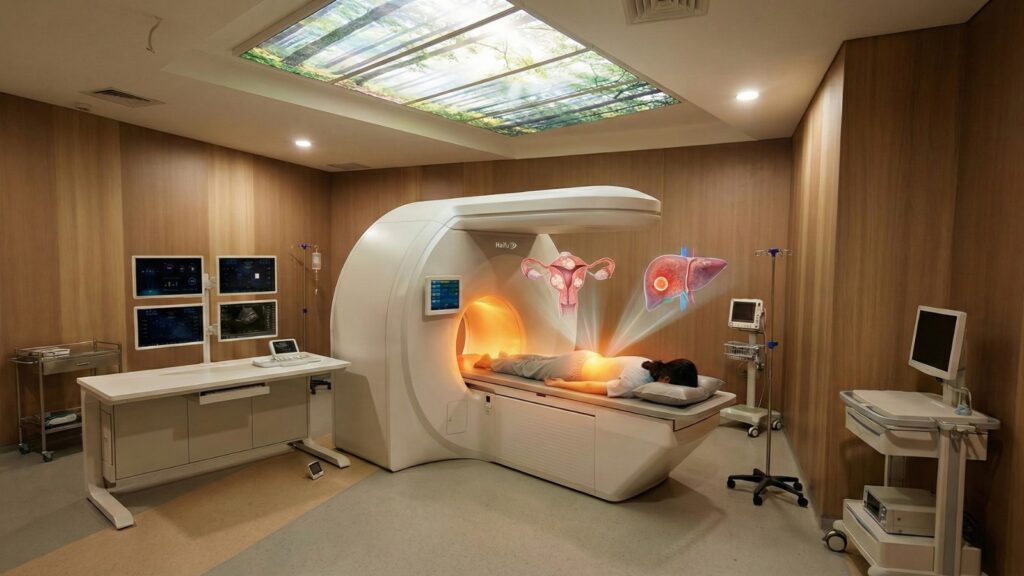
HIFU (High-Intensity Focused Ultrasound) is a non-invasive method that uses high-energy ultrasound waves to destroy tumor tissue without surgery. The energy is precisely focused on a specific area to generate heat that damages cancer cells. At Mandaya Royal Puri Hospital, HIFU is offered as a modern treatment option for pancreatic cancer, including advanced stages, with a more minimally invasive approach and relatively lower risk of complications compared to surgery.
How HIFU works
- Precise tumor targeting: Ultrasound waves are directed at the tumor using imaging guidance for accuracy.
- High temperature at the focal point: Concentrated energy increases the temperature significantly at the targeted area.
- Thermal ablation of cancer cells: The heat destroys cancer cells, and over time, the damaged tissue shrinks, reducing tumor size.
When can HIFU be considered?
HIFU may be an option in the following conditions:
- Locally advanced pancreatic cancer that has spread around the pancreas but not to distant organs
- Tumors that cannot be surgically removed due to location or patient condition
- Patients with limited treatment options, especially in advanced stages
- Patients experiencing severe pain caused by the tumor
- Patients needing tumor size control, as HIFU can help shrink tumors gradually
Advantages of HIFU for pancreatic cancer
- Non-invasive (no incision or surgery required)
- Lower risk and generally more comfortable for patients
- Helps significantly reduce pain, including in advanced cancer
- Potential to shrink tumors and support other treatments
- Improves patient quality of life
- Potential benefit for survival in certain cases
Clinical study results on HIFU
Studies have shown promising results for HIFU in pancreatic cancer treatment:
- Pain reduction: Most advanced-stage patients experience significant pain relief
- Tumor shrinkage: Tumors may decrease in size within weeks to months
- Potential survival benefit: HIFU may provide additional survival benefits, although further research is needed
HIFU specialist for pancreatic cancer at Mandaya Royal Puri Hospital

HIFU procedures at Mandaya Royal Puri Hospital are performed by dr. Sugianto Santoso, Sp.Rad, (K)RI, a radiology specialist and interventional radiology consultant experienced in minimally invasive procedures.
He utilizes imaging technologies such as ultrasound, CT scan, MRI, and fluoroscopy to ensure accurate and safe procedures. In addition to HIFU, he is skilled in TACE (Transarterial Chemoembolization), Radiofrequency Ablation (RFA), and Microwave Ablation to treat tumors without major surgery.
dr. Sugianto completed his medical degree at Maranatha Christian University, Bandung, and his radiology specialization at the University of Indonesia. With strong clinical experience and educational background, he plays an important role in delivering modern minimally invasive treatments for pancreatic cancer.
dr. Sugianto Santoso, Sp.Rad, (K)RI is available at Mandaya Royal Puri Hospital on:
- Tuesday: 4:00 PM – 8:00 PM
- Thursday: 4:00 PM – 8:00 PM
For your convenience, you can use the WhatsApp Chat feature, Book Appointment service, or the Care Dokter app available on Google Play and the App Store to schedule visits, check queue numbers, and access more information.
*The information provided on this page is for educational purposes and general overview only, and may not represent all medical services offered by each doctor. For proper diagnosis and treatment, it is recommended to consult directly with the relevant doctor.
If you have any questions or need further information, please contact our call center at 0811-1900-2000.