


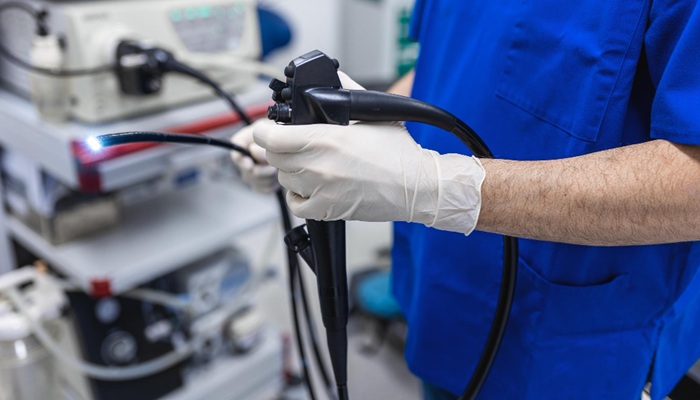
As part of its commitment to providing advanced, technology-driven medical services, Mandaya Royal Hospital Puri is now equipped with a modern endoscopic technology known as SpyGlass. This technology was developed to help physicians manage various disorders of the bile ducts and pancreas with greater accuracy. By enabling direct visualization of the bile ducts and pancreatic ducts, SpyGlass allows medical procedures to be performed in a more targeted and precise manner.
With SpyGlass, doctors can not only observe the condition of the bile and pancreatic ducts in detail, but also perform tissue biopsies to confirm diagnoses and break down bile duct or pancreatic stones within the same procedure. This approach helps reduce the need for repeated interventions, improves treatment effectiveness, and enhances patient comfort and safety.

Contents
Getting to Know SpyGlass, a Modern Endoscopic Technology at Mandaya Royal Hospital Puri
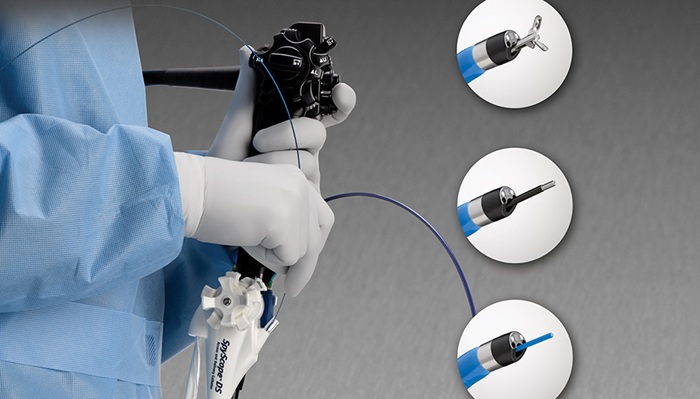
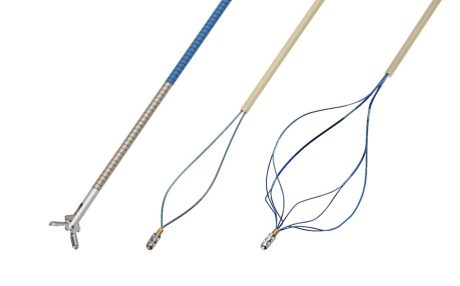
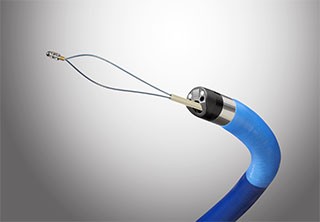
SpyGlass is an advanced endoscopic technology designed to allow doctors to directly visualize the inside of the bile ducts and pancreatic ducts in high resolution. This system can reach areas that were previously difficult to access, including small bile ducts and complex branches of the pancreas.
The SpyGlass system is equipped with an ultra-small camera connected to high-resolution fiber optics, producing clear, detailed, and accurate images. The procedure is also designed to be more efficient, as it can be performed by a single physician, unlike older-generation endoscopic systems that were more fragile and difficult to control.
Updates to the SpyScope device—the specialized endoscope used in this procedure—feature a more stable, durable, and user-friendly design. These improvements enhance physician comfort while also improving visualization quality during the procedure.
More Than a Diagnostic Tool: Minimally Invasive SpyGlass Endoscopy
SpyGlass endoscopy is not only a diagnostic tool, but also a minimally invasive procedure that allows doctors to diagnose and treat various bile duct and pancreatic disorders directly. This technology is particularly helpful in managing conditions such as difficult-to-treat bile or pancreatic stones, duct strictures, and suspected tumors.
Even advanced procedures such as laser stone fragmentation and tissue sampling (biopsy) can be performed in a single session. As a result, patients do not need to undergo multiple separate procedures, making the treatment process safer, more effective, and more efficient.
How Does SpyGlass Endoscopy Work?
In general, the SpyGlass endoscopy procedure involves the following steps:
- Patient preparation: The patient is given sedative medication, and the throat area is numbed to enhance comfort during the procedure.
- Standard endoscopy: A larger flexible endoscope (duodenoscope) is inserted through the mouth, passing through the stomach and into the small intestine to locate access to the bile ducts.
- Insertion of the SpyGlass probe: The very small SpyGlass probe, approximately the size of a pencil tip, is inserted through the main endoscope channel and directed into the bile duct or pancreatic duct.
- Real-time visualization: The camera on the probe transmits live, magnified images to a monitor, allowing doctors to clearly see the condition inside the ducts.
- Diagnostic and therapeutic interventions: Through the same channel, doctors can introduce specialized tools such as biopsy forceps or stone-fragmentation devices (laser or shockwave) precisely targeted at the affected area.
- Therapeutic procedures: Doctors can collect tissue samples, break down stones, or place stents as needed. This approach also helps reduce radiation exposure and minimizes the number of additional procedures required.
Advantages of SpyGlass Endoscopy
Below are some of the key advantages of SpyGlass endoscopy at Mandaya Royal Hospital Puri:
- High-resolution, direct visualization: Doctors can clearly and accurately observe bile duct and pancreatic duct conditions, leading to more precise diagnoses.
- Diagnosis and treatment in a single procedure: Biopsies, stone fragmentation, and stent placement can all be performed in one session without the need for separate procedures.
- Access to small and hard-to-reach ducts: The ultra-thin probe can navigate complex and narrow bile and pancreatic duct pathways.
- High precision and targeted intervention: All procedures are guided by real-time visual feedback, ensuring greater accuracy.
- Reduced need for repeat procedures: Improved accuracy minimizes the likelihood of additional interventions, making treatment more effective and comfortable for patients.
To make your visit to Mandaya Royal Hospital Puri easier for consultations regarding SpyGlass endoscopy, you can use the WhatsApp Chat, Book Appointment feature, or the Care Dokter application available for download on Google Play and the App Store. These tools help streamline appointments, queue management, and access to complete medical information.