


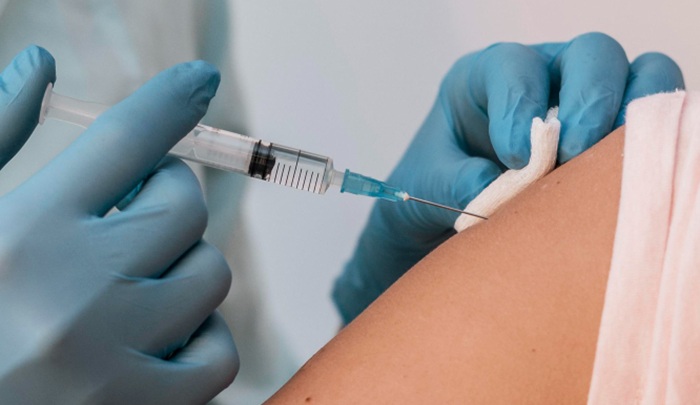
Measles is one of the most contagious infectious diseases and remains a public health concern in many countries, including Indonesia. This virus-caused illness can lead to a range of symptoms, from high fever, cough, and runny nose to the appearance of a red rash on the skin. In some cases, measles can even lead to serious complications, especially in children with weakened immune systems.
One of the most effective ways to prevent this infection is through vaccination. The measles vaccine has long been used as a safe and effective method to help the body develop immunity against the virus that causes measles. By receiving the vaccine according to the recommended schedule, the risk of contracting measles and its potential complications can be significantly reduced.
Therefore, it is important for parents and the public to understand the benefits of the measles vaccine, the recommended vaccination schedule, and the possible side effects that may occur after vaccination.

Contents
Types of Measles Vaccines
In general, vaccines used to prevent measles are available in two main types: the MR vaccine and the MMR vaccine. Both help protect the body from the measles virus, but they differ in the range of diseases they cover.
1. MR Vaccine (Measles–Rubella)
The MR vaccine provides protection against two diseases at once: measles and rubella. Rubella is often referred to as German measles and can pose serious risks, particularly for pregnant women, as it may cause congenital abnormalities in the fetus.
The MR vaccine is widely used in national immunization programs because it is effective in reducing measles and rubella cases among children. This vaccine is usually administered by injection and is recommended at specific ages according to the child immunization schedule.
2. MMR Vaccine (Measles–Mumps–Rubella)
Meanwhile, the MMR vaccine protects against three diseases: measles, mumps, and rubella. Mumps is a viral infection that can cause swelling of the salivary glands, especially in the cheek and jaw area.
The MMR vaccine is widely used in many countries as part of routine childhood immunization programs. With a single injection, the body can develop immunity against these three infectious diseases simultaneously.
Both MR and MMR vaccines play an important role in preventing the spread of measles. The choice of vaccine type is usually adjusted according to the immunization program in place and the recommendations of medical professionals.
Benefits of Measles Vaccination
The MMR vaccine helps protect children from three viral diseases—measles, mumps, and rubella—that can potentially cause serious health problems. Almost everyone who has not received the MMR vaccine will become ill if exposed to these viruses.
By getting vaccinated, children can avoid missing school or daycare due to illness. Parents also do not need to miss work to care for a sick child. Vaccination also plays a key role in limiting the size, duration, and spread of disease outbreaks.
- For measles: The MMR vaccine helps protect children from the uncomfortable rash and high fever caused by measles infection.
- For mumps: The MMR vaccine helps protect children from fever and swelling of the glands under the ears or jaw caused by mumps.
- For rubella: The MMR vaccine helps prevent children from developing a rash and fever due to rubella. In addition, the vaccine helps prevent the spread of rubella to pregnant women, which can cause serious birth defects or even fetal death if the mother becomes infected.
Measles Vaccination Schedule
The MR or MMR vaccine is generally given in two doses:
- The first dose at 12–15 months of age
- The second dose at 4–6 years of age
Infants aged 6–11 months who will travel to areas with a high risk of measles transmission may receive an early vaccine dose. In addition, adults born after 1956 who do not have immunity to measles are also recommended to receive vaccination.
Possible Side Effects
Most people do not experience any side effects after receiving the vaccine. If side effects do occur, they are usually mild and may include:
- Pain, redness, or swelling at the injection site
- Fever
- Mild rash
- Temporary joint pain and stiffness
More serious side effects are rare. In some cases, a high fever that may trigger a seizure can occur.
Measles Vaccine Price at Mandaya Royal Hospital Puri
The measles vaccine is an important step in protecting both children and adults from measles virus infection, which can lead to various complications. At Mandaya Royal Hospital Puri, the available measles vaccine is the MR (Measles–Rubella) vaccine, which provides protection against two diseases at once: measles and rubella.
The price of the measles vaccine or MR vaccine at Mandaya Royal Hospital Puri is IDR 1,100,000. This fee does not include doctor consultation fees, medical equipment usage, administrative costs, or other additional services that may be required during the vaccination process. For more detailed information regarding the vaccination schedule or the estimated total cost, patients can consult directly with the medical team at Mandaya Royal Hospital Puri.
To make your visit easier, you can use the Chat via WhatsApp, Book Appointment feature, or the Care Dokter application, which can be downloaded from Google Play and the App Store to schedule visits, check queue numbers, and obtain other complete information.