


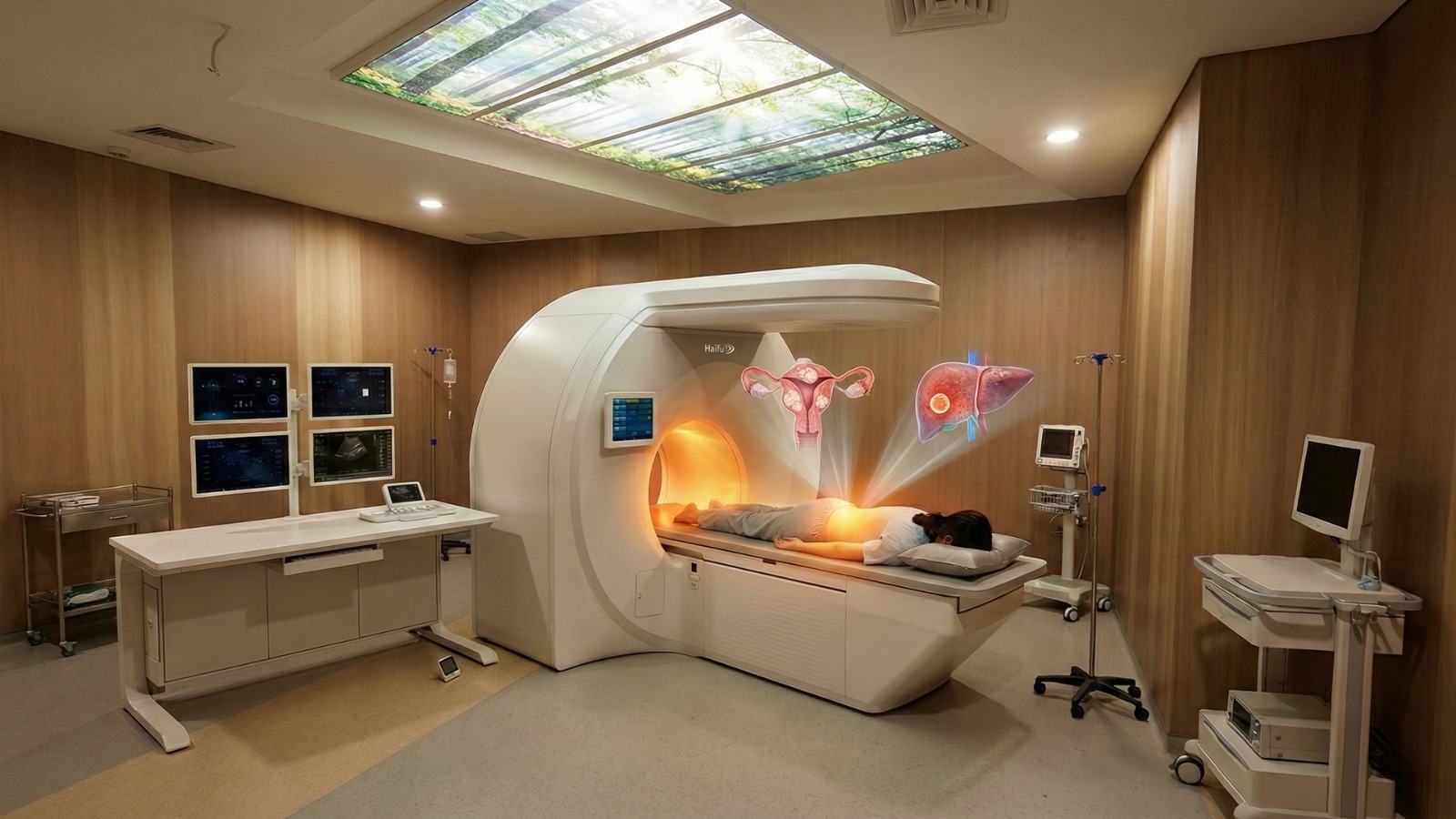
Liver cancer is a highly complex disease, particularly in patients who are already in advanced stages or have impaired liver function such as cirrhosis. In clinical practice, a single treatment modality is often insufficient to achieve optimal results. For this reason, combination or multimodal therapy approaches are increasingly being considered to enhance treatment effectiveness while maintaining patient safety.
One strategy that is gaining attention is the combination of HIFU (High-Intensity Focused Ultrasound) and Transarterial Chemoembolization (TACE). Clinical studies suggest that integrating these two methods can provide more optimal outcomes for liver cancer patients. This combined therapeutic approach offers new possibilities in controlling tumor growth in a more comprehensive and targeted manner.

Contents
What Are HIFU and TACE?
Below is an overview of HIFU and TACE:
1. HIFU
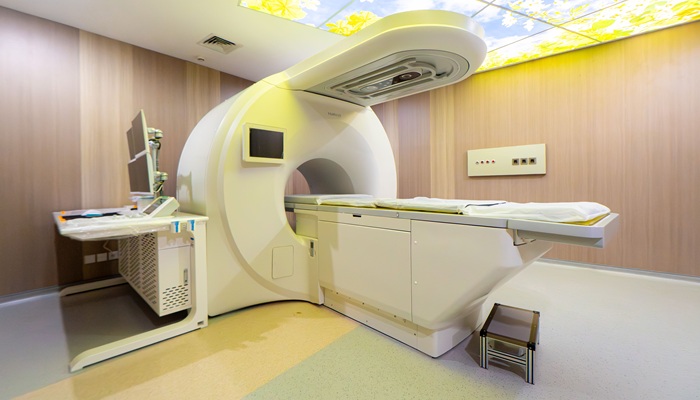
HIFU is a non-surgical therapeutic technology used to destroy liver tumors without open surgery. It works by delivering high-intensity ultrasound waves that are precisely focused on tumor tissue. Since it does not require incisions, HIFU is considered a minimally invasive procedure with lower risks compared to conventional surgery. This therapy is most commonly used for hepatocellular carcinoma (HCC), the most common type of liver cancer.
How HIFU Works:
- A device is placed on the surface of the skin to transmit ultrasound waves from outside the body.
- The waves are precisely focused on the tumor location using ultrasound guidance.
- The concentrated energy converts into high heat (above 60°C).
- This heat destroys cancer cells through thermal ablation.
- The dead tumor tissue is gradually absorbed by the body.
2. TACE (Transarterial Chemoembolization)
TACE is a minimally invasive procedure for treating liver cancer by delivering chemotherapy drugs directly into the blood vessels that supply the tumor. The goal is to shrink or control tumor growth by concentrating treatment in the tumor area while minimizing its impact on healthy surrounding tissue.
How TACE Works:
- A small catheter is inserted through a blood vessel in the thigh or wrist.
- The catheter is guided to the artery supplying blood to the liver tumor.
- Chemotherapy drugs are injected directly into the tumor-feeding artery.
- Special particles are then injected to block the artery (embolization).
- This blockage reduces blood flow to the tumor, depriving cancer cells of oxygen and nutrients, causing them to shrink or die.
What Do Clinical Studies Say About the Combination of HIFU and TACE?
In a study involving 50 patients with advanced-stage liver cancer, researchers compared outcomes between patients who underwent combined HIFU and TACE therapy and those who received TACE alone.
The results showed that patients who received the combined therapy had significantly better survival rates compared to those who underwent only one type of treatment.
These findings indicate that HIFU—whether used as a standalone therapy or in combination with other treatments such as TACE—has strong potential in helping control liver cancer. This approach may also be suitable for patients with compromised liver function, including those with cirrhosis, as it offers a more comprehensive and targeted treatment strategy.
Profile and Practice Schedule of dr. Sugianto Santoso, HIFU Specialist for Liver Cancer at Mandaya Royal Hospital Puri
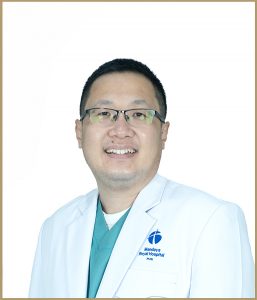
Sugianto Santoso, Sp.Rad (K)RI, is a radiology specialist with a subspecialty in interventional radiology and extensive experience in performing minimally invasive diagnostic and therapeutic procedures, including liver cancer treatment. In every procedure, he utilizes advanced medical imaging guidance such as ultrasound, CT scan, MRI, and fluoroscopy to ensure accuracy, precision, and patient safety.
As an interventional radiologist, he is skilled in various liver cancer treatments, including TACE for liver nodules and tumors, as well as ablation procedures such as Radiofrequency (RF) Ablation and Microwave Ablation. These techniques are designed to destroy cancerous tissue without major surgery, helping reduce complication risks and shorten recovery time. In addition, he applies HIFU technology as a modern therapeutic innovation that enables precise tumor destruction with minimal risk.
He completed his medical degree at Universitas Kristen Maranatha and pursued his Radiology Specialist training at Universitas Indonesia. With a strong educational background and broad clinical experience, he is committed to delivering the latest minimally invasive therapies to improve the quality of life of liver cancer patients.
Practice Schedule:
- Tuesday: 16.00 – 20.00 WIB
- Thursday: 16.00 – 20.00 WIB
To make your visit to Mandaya Royal Hospital Puri more convenient, you can use the WhatsApp Chat feature, Book Appointment service, or download the Care Dokter application via Google Play and the App Store to schedule appointments, check queue numbers, and access complete information.