


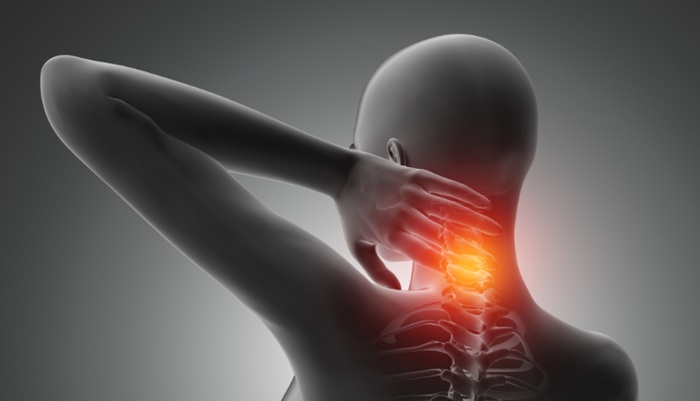
Cervical spondylosis is a condition that describes “wear-and-tear” changes in the spine, particularly in the neck area. The term “cervical” refers to the neck, while “spondylosis” indicates degeneration or reduced function of the spinal structures. This condition is also commonly known as neck arthritis.
Cervical spondylosis is a natural part of the aging process and is very common. Changes in the spine typically begin in the 30s, and by the age of 60, about 9 out of 10 people experience it.
If you have cervical spondylosis, your neck may feel painful, stiff, or uncomfortable. Although this condition cannot be completely cured, various treatments can help relieve symptoms and prevent further progression.

Contents
Symptoms of Cervical Spondylosis
Cervical spondylosis can occur without noticeable symptoms. However, when symptoms do appear, they may include:
- Neck pain
- Neck stiffness
- A lump or knot-like sensation in the neck
- Headaches
You should consult a doctor if neck pain or stiffness lasts for more than a few days.
If spinal changes begin to compress the spinal nerves, additional symptoms may develop, such as numbness, muscle spasms, and movement difficulties.
Causes of Cervical Spondylosis
The main cause of cervical spondylosis is aging. As you get older, the soft cushions (discs) between the vertebrae begin to dry out and lose elasticity. This condition is known as degenerative disc disease.
These changes can lead to various structural problems in the spine, such as:
- Friction between vertebrae (osteoarthritis)
- Bone spurs
- Changes in spinal alignment
- Bulging or herniated discs
- Reduced disc height
- Narrowing of the spinal canal (spinal stenosis)
Risk Factors
Cervical spondylosis is part of natural aging, but several factors may accelerate or worsen the condition, including:
- Jobs that require looking up or down for long periods
- Family history of cervical spondylosis
- Previous neck injuries
- Obesity
- Frequent heavy lifting that strains the neck
- Smoking
Complications of Cervical Spondylosis
Complications may occur if cervical spondylosis leads to nerve compression. In general, there are two main types:
1. Cervical myelopathy
This occurs when the spinal cord in the neck is compressed, causing numbness in the hands or muscle weakness.
2. Cervical radiculopathy
This refers to a pinched nerve in the neck that can cause pain radiating down the arm, along with muscle weakness and sensations like tingling or pins and needles.
In addition, cervical spondylosis can lead to chronic neck pain. These complications can significantly affect quality of life, making early medical consultation important when symptoms arise.
How Is Cervical Spondylosis Treated?
Treatment aims to relieve symptoms and prevent further damage to the spinal nerves.
Doctors typically begin with non-surgical approaches. Common treatments include:
- Physiotherapy to strengthen neck and upper back muscles
- Over-the-counter pain relievers
- Anti-inflammatory medications (NSAIDs) or corticosteroids
- Muscle relaxants
- Short-term use of a neck collar
If neck pain is severe, doctors may recommend procedures such as cervical epidural steroid injections or radiofrequency ablation.
However, if there is significant nerve compression, surgery may be necessary. The type of surgery depends on the underlying cause. For example:
- Laminectomy, which removes part of the bone pressing on the nerve
- Spinal fusion, which stabilizes the spine
Your doctor will discuss and determine the most appropriate treatment option based on your condition.
Spine Specialist at Mandaya Royal Hospital Puri
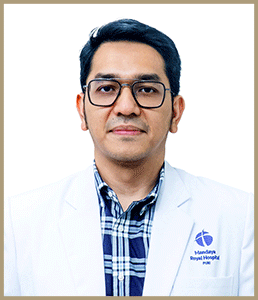
An orthopedic spine specialist at Mandaya Royal Hospital Puri, dr. Mohammad Fachry Lubis, Sp.OT(K), is an experienced spine consultant who manages various spinal disorders, including cervical spondylosis. He completed his medical degree at the University of North Sumatra and continued his orthopedic specialist and spine subspecialty training at the University of Indonesia.
With extensive experience in spine care, dr. Fachry actively participates in various training programs and courses to continuously enhance his clinical skills. Some of the programs he has attended include AO Spine Asia Pacific Cadaveric in Sydney (2017), AO Trauma in Chengdu (2016), Paris Shoulder Course in Paris (2017), North America Spine Society in Bali (2017), and AO Spine Advance in Jakarta (2017). These trainings were conducted both domestically and internationally.
In his practice, dr. Fachry specializes in treating a wide range of spinal conditions, particularly those involving the neck such as cervical spondylosis. He also manages other conditions including pinched nerves, scoliosis, spinal instability, spinal cord tumors, spinal fractures, sports injuries, and radiating pain from the neck to the head or from the lower back to the legs.
Consultation Schedule
dr. Mohammad Fachry Lubis, Sp.OT(K) is available for consultation at Mandaya Royal Hospital Puri on the following schedule:
- Tuesday: 17:00 – 20:00 WIB
- Thursday: 11:00 – 15:00 WIB
- Friday: 14:00 – 16:00 WIB
- Saturday: 14:00 – 16:00 WIB
To make your visit more convenient, you can use the WhatsApp Chat feature, Book Appointment service, or the Care Dokter app (available on Google Play and the App Store) to schedule visits, check queue numbers, and access complete information.