


Blood in urine, medically known as hematuria, is a condition that often causes concern because it can indicate an underlying disorder of the urinary tract. Urine that appears pink, red, or brown due to the presence of blood should not be taken lightly—especially if it is accompanied by pain, a burning sensation during urination, or other urinary problems. This condition can affect anyone and may result from a wide range of medical causes.
The causes of blood in urine vary widely, ranging from urinary tract infections (UTIs) and kidney infections to the presence of kidney stones or bladder stones. In certain cases, blood in urine may also be a sign of more serious conditions, such as prostate disorders or prostate cancer. Therefore, understanding the possible causes of hematuria is essential so that appropriate and timely treatment can be provided.

Contents
Causes of Blood in Urine You Should Be Aware Of
Below are several common causes of blood in urine:
1. Urinary Tract Infection (UTI)
A urinary tract infection occurs when bacteria enter the urethra—the tube through which urine exits the body—and multiply in the bladder. UTIs can cause blood in the urine, making it appear red, pink, or brown. Other common symptoms include a persistent urge to urinate, pain or a burning sensation during urination, and strong-smelling urine.
2. Kidney Infection
A kidney infection, also known as pyelonephritis, is a type of UTI that occurs when bacteria reach the kidneys through the bloodstream or travel upward from the ureters, which connect the kidneys to the bladder. Kidney infections can cause symptoms similar to UTIs, including blood in urine, but are more likely to be accompanied by fever and pain in the back, side, or groin.
3. Bladder Stones or Kidney Stones
Minerals in urine can form crystals on the walls of the kidneys or bladder. Over time, these crystals can harden into stones. Kidney stones or bladder stones may not always cause symptoms, but they can trigger severe pain if they block the urinary tract or pass out with urine. These stones may cause visible blood in urine or bleeding detected only through laboratory tests.
4. Enlarged Prostate
The prostate gland is located just below the bladder and surrounds the upper part of the urethra. As men age, the prostate may enlarge and press against the urethra, partially blocking urine flow. An enlarged prostate can cause difficulty urinating, frequent urination, and blood in the urine. Prostate infections (prostatitis) can produce similar symptoms.
5. Kidney Disease
Blood in urine that is only detected through laboratory testing is often a sign of kidney disease, such as glomerulonephritis. This condition involves inflammation of the tiny filters in the kidneys responsible for removing waste from the blood. Glomerulonephritis may be part of a systemic disease such as diabetes or may occur independently.
6. Cancer
Visible blood in urine can be a warning sign of advanced kidney cancer, bladder cancer, or prostate cancer. In the early stages, these cancers often do not cause noticeable symptoms, making blood in urine an important sign that should be evaluated promptly.
7. Inherited Conditions
Certain genetic disorders can cause blood in urine. These include sickle cell anemia, which affects red blood cells, and Alport syndrome, a genetic condition that damages the small blood vessels in the kidneys. Blood in urine may be visible or detectable only through laboratory tests.
8. Kidney Injury
Trauma or injury to the kidneys caused by accidents or contact sports can lead to blood in the urine. The bleeding occurs due to damage to kidney tissue following physical impact.
9. Use of Certain Medications
Some medications are associated with blood in urine, including the chemotherapy drug cyclophosphamide and antibiotics such as penicillin. Blood-thinning medications, including aspirin and heparin, can also increase the risk of urinary tract bleeding.
10. Strenuous Physical Activity
Blood in urine may appear after intense physical activity, particularly contact sports such as football, which can cause bladder trauma. It may also occur after long-distance sports like marathon running, although the exact cause is not always clear. In many cases, exercise-induced hematuria resolves on its own within about one week.
If you notice blood in your urine after exercise, do not assume it is solely due to physical activity. It is important to consult a doctor to determine the exact cause and receive appropriate care.
Consult a Urology Specialist at Mandaya Royal Puri Hospital for Blood in Urine
Blood in urine should never be ignored. Identifying the underlying cause as early as possible is essential to ensure proper treatment.
Mandaya Royal Puri Hospital is supported by a comprehensive team of experienced urologists who manage various causes of blood in urine, including enlarged prostate, UTIs, and prostate cancer.
Urology Specialists at Mandaya Royal Puri Hospital
1. Prof. dr. Ponco Birowo, Sp.U.(K), Ph.D

Prof. dr. Ponco Birowo, Sp.U.(K), Ph.D is a consultant urologist widely recognized for his expertise in managing various urological conditions. He completed his medical and urology specialist education at the University of Indonesia, followed by subspecialty training in andro-urology.
He earned his Ph.D from Hannover Medical School, Germany, with Magna Cum Laude honors and currently serves as a Professor at the University of Indonesia. His areas of expertise include:
- Kidney stones using modern techniques such as RIRS and PCNL
- Bladder disorders
- Prostate disorders
- Various kidney conditions
Practice schedule:
- Tuesday: 16.00 – 18.00
- Thursday: 16.00 – 18.00
2. Prof. dr. Chaidir Arif Mochtar, Sp.U.(K), Ph.D

Prof. dr. Chaidir Arif Mochtar, Sp.U.(K), Ph.D is a urologist with subspecialty expertise in urologic oncology, focusing on the diagnosis and treatment of cancers of the urinary tract and male reproductive organs.
As a consultant urologic oncologist, he manages kidney cancer, bladder cancer, prostate cancer, and testicular cancer through both surgical and non-surgical approaches.
Practice schedule:
- Monday: 16.00 – 18.00
- Thursday: 16.00 – 18.00
3. dr. Hendy Mirza, Sp.U.(K)

dr. Hendy Mirza, Sp.U.(K) is a urologist specializing in pediatric urology, focusing on congenital and developmental disorders of the urinary tract and reproductive organs in children.
Practice schedule:
- Monday: 16.00 – 19.00
- Tuesday: 18.00 – 20.00
- Wednesday: 16.00 – 19.00
- Thursday: 18.00 – 20.00
- Friday: 16.00 – 19.00
4. dr. Maruto Harjanggi, BSc(Hons), Sp.U, FICS

dr. Maruto Harjanggi is a urologist graduated from the Faculty of Medicine, University of Indonesia, and holds a Bachelor of Science (Honours) degree from Newcastle University, UK.
He is experienced in treating urological conditions in both men and women and is known at Mandaya Royal Puri Hospital for providing REZUM therapy for enlarged prostate.
Practice schedule:
-
Monday to Saturday: 09.00 – 13.00 WIB
5. dr. Sigit Sholichin, Sp.U, FICRS

dr. Sigit Sholichin completed his medical education at Diponegoro University and urology specialization at the University of Indonesia. He is a member of the Indonesian Urological Association (IAUI) and has extensive experience in medical and surgical urology.
His expertise includes:
- Urinary tract surgery
- Prostate biopsy
- ESWL for urinary stones
- Kidney and prostate surgery
- Varicocele and undescended testicle surgery
- PCNL
- Laser therapy for enlarged prostate
- Circumcision and other urological procedures
Practice schedule:
- Monday: 13.30 – 16.00 WIB
- Wednesday: 13.30 – 16.00 WIB
- Saturday: 12.30 – 15.00 WIB
6. dr. Ima Nastiti Setyaningsih, Sp.U

dr. Ima Nastiti Setyaningsih, Sp.U completed her medical and urology specialist education at the University of Indonesia. She actively participates in national and international urology training programs and workshops.
With extensive clinical experience and continuous professional development, she is a trusted female urologist for managing various urological conditions.
Practice schedule:
- Tuesday: 14.00 – 16.00 WIB
- Thursday: 14.00 – 16.00 WIB
Advanced Technology at Mandaya Urology Center
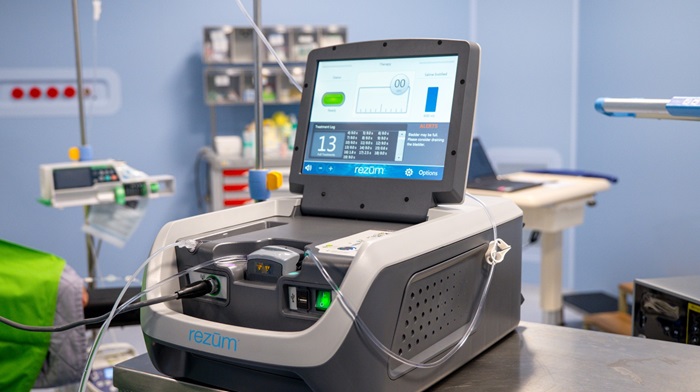

Mandaya Urology Center is equipped with advanced and modern technologies, including:
- REZUM Therapy for Enlarged Prostate
- RIRS (Retrograde Intrarenal Surgery) for Kidney Stones
- PCNL (Percutaneous Nephrolithotomy)
- Zamenix Robotic Urology Surgery
- Microsurgical Varicocele Ligation
- Robotic Prostate Biopsy
- Kidney Transplant Services with Laparoscopic Approach
To make your visit easier, use the WhatsApp Chat, Book Appointment, or Care Dokter app available on Google Play and the App Store for queue tracking and complete information.