


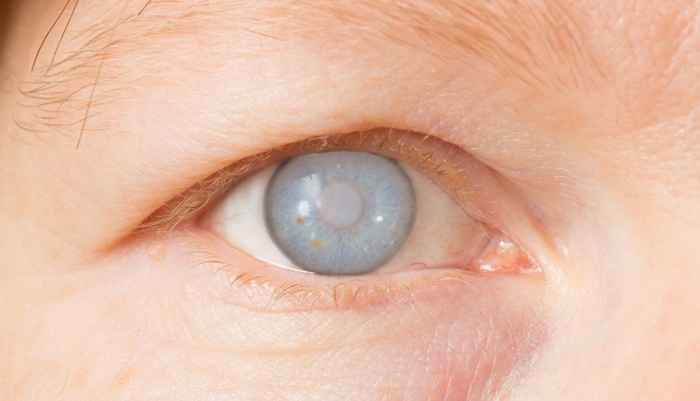
Cataracts are a condition in which the eye’s lens, which should normally be clear, becomes cloudy. For people with cataracts, vision may feel as though they are looking through frosted glass or a fogged window, causing objects to appear unclear. This visual impairment can interfere with daily activities such as reading, seeing clearly at night, and recognizing facial expressions.
In the early stages, cataracts may not cause significant discomfort and can sometimes be managed with brighter lighting or the use of eyeglasses. However, over time, cataracts can progressively affect visual quality. When vision impairment begins to disrupt daily activities, cataract surgery becomes an effective and generally safe treatment option to restore vision. At Mandaya Royal Hospital Puri, cataract surgery is performed using modern techniques, with procedures typically lasting around 15 minutes, and in most cases, patients are able to return home on the same day.

Contents
What Are the Risk Factors and Causes of Cataracts?
Most cataracts develop as part of the natural aging process or due to injury that affects the tissue of the eye’s lens. Proteins and fibers within the lens gradually break down, causing the lens to become cloudy and vision to appear blurred. This process usually occurs slowly and worsens over time.
In addition to aging, certain inherited health conditions may increase the risk of cataracts. Cataracts can also be triggered by other eye disorders, a history of eye surgery, or systemic diseases such as diabetes. Long-term use of steroid medications is also known to increase the risk of cataract formation.
Several factors that may increase the risk of developing cataracts include:
- Increasing age
- Diabetes
- Excessive exposure to sunlight
- Smoking
- Obesity
- Family history of cataracts
- Previous eye injury or inflammation
- History of eye surgery
- Long-term use of corticosteroid medications
- Excessive alcohol consumption
Cataract Symptoms to Watch For
Common symptoms of cataracts include:
- Clouded, blurred, or dim vision
- Difficulty seeing at night
- Increased sensitivity to light and glare
- Needing brighter light for reading or other activities
- Seeing halos around lights
- Frequent changes in eyeglass or contact lens prescriptions
- Fading or yellowing of colors
- Double vision in one eye
In the early stages, cataract-related cloudiness may affect only a small portion of the eye’s lens, so vision changes may not be very noticeable. As the cataract grows larger, more of the lens becomes cloudy, interfering with the passage of light into the eye. This causes symptoms to become more pronounced and increasingly disruptive to daily activities.
When Should You See a Doctor?
You should schedule an eye examination if you begin to notice any changes in your vision. Early evaluation is important to identify the cause of visual disturbances and determine appropriate treatment.
However, if you experience sudden vision changes such as double vision, flashes of light, sudden eye pain, or a sudden headache, seek immediate medical attention from a doctor or the nearest healthcare facility.
Modern Cataract Surgery at Mandaya Royal Hospital Puri
Cataract surgery using the phacoemulsification technique at Mandaya Royal Hospital Puri is a minimally invasive surgical procedure designed to remove the cloudy lens caused by cataracts. This method is developed to provide a safer and more comfortable experience for patients, with a lower risk of complications compared to conventional cataract surgery.
During the phacoemulsification procedure, the doctor uses ultrasonic waves to break up the cloudy lens into small fragments. These fragments are then removed through a very small incision, preserving the surrounding eye tissue and allowing for a more optimal healing process. After the cloudy lens is removed, an artificial lens, known as an intraocular lens (IOL), is implanted to replace the function of the natural lens. This approach enables faster recovery, allowing patients to return to their daily activities more quickly.
Advantages of Cataract Surgery with Phacoemulsification Technique
- Minimally invasive: Very small incisions reduce eye trauma and speed up the healing process.
- Less postoperative pain: Lower levels of pain and discomfort after surgery result in a more comfortable recovery.
- Lower risk of complications: Modern technology and small incisions help reduce the risk of infection and bleeding, and allow the procedure to be performed on an outpatient basis.
- Optimal visual outcomes: The precision of ultrasonic energy helps achieve clearer and sharper vision after surgery.
- Wide range of intraocular lens options: Patients can choose from various types of IOLs, such as monofocal, multifocal, or toric lenses, based on their individual visual needs.
Cataract Specialist Ophthalmologist at Mandaya Royal Hospital Puri

Cataract surgery using the phacoemulsification technique at Mandaya Royal Hospital Puri is performed by experienced and highly qualified ophthalmologists. One of the specialists providing this service is dr. Olly Congga, Sp.M, who has expertise in modern eye surgery procedures, including minimally invasive cataract surgery.
dr. Olly Congga, Sp.M completed his medical degree and ophthalmology specialist training at Universitas Hasanuddin. To continuously enhance his skills and stay updated with the latest advancements in ophthalmology, he actively participates in various national and international training programs, courses, and seminars. These include the 32nd Annual Meeting of the Asia-Pacific Association of Cataract and Refractive Surgery in Kyoto (October 2019) and the 34th Asia-Pacific Academy of Ophthalmology Congress in Bangkok (March 2019).
In daily practice, dr. Olly Congga, Sp.M provides comprehensive eye care services, including cataract surgery, LASIK procedures, intraocular lens implantation, eye biometric examinations, and pterygium surgery.
Practice Schedule at Mandaya Royal Hospital Puri:
- Monday: 16.00 – 18.00 WIB
- Wednesday: 08.00 – 09.30 WIB
- Thursday: 08.00 – 10.00 WIB
- Saturday: 13.00 – 15.00 WIB
To make your visit more convenient, you can use the WhatsApp Chat feature, Book Appointment service, or the Care Dokter application—available for download on Google Play and the App Store—to schedule visits, check queue numbers, and access other complete information.