


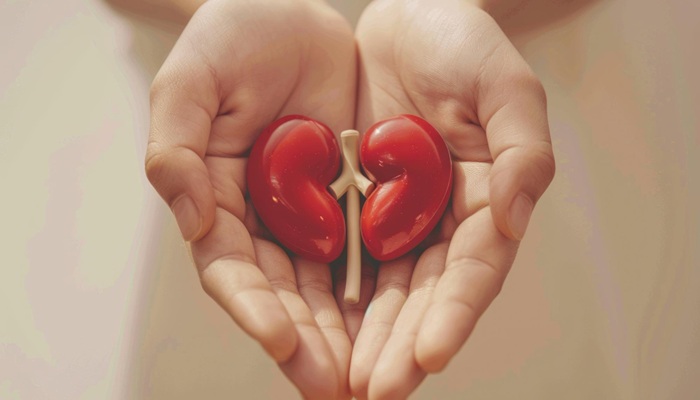
The decision to donate a kidney to a family member or loved one in need of a kidney transplant is often driven by deep compassion. However, it is also commonly accompanied by various questions and concerns. One of the most frequently asked questions is: can you live healthily with just one kidney?
This concern is completely understandable, especially regarding the potential side effects of living kidney donation and how life quality may change after having only one kidney. Through this article, you will find a comprehensive explanation to help answer these questions and provide a clearer picture before making such an important decision.

Contents
Can kidney donors live healthily with one kidney?
Did you know that humans actually only need one kidney to survive? Unlike other organs that are typically single and essential, the kidneys come in pairs, yet we can still live a healthy life with just one. This is why some people choose to donate one of their kidneys to family members or relatives in need.
Living with one kidney is not uncommon. Around one in 1,000 babies are born with only one kidney, and some are born with two kidneys but only one functioning. Interestingly, many people with a single kidney can live normal, healthy lives—often without even realizing their condition.
The human body has an extraordinary ability to adapt. When only one kidney is present, the remaining kidney typically works harder to compensate. It continues to regulate fluid and electrolyte balance, filter waste from the blood, and help control blood pressure.
The same applies to individuals who originally had two kidneys and decided to donate one. In general, living with one kidney does not cause serious side effects. In fact, many donors report no significant difference between having two kidneys and just one.
Are there any side effects of living with one kidney?
Although living with one kidney generally does not cause serious side effects, maintaining kidney health remains essential. This can be achieved by adopting a healthy lifestyle, such as exercising regularly and consuming a balanced, nutritious diet.
If you donate a kidney, your doctor will typically schedule routine follow-ups to ensure the remaining kidney functions properly, usually at:
- 3 months after donation
- 6 months after donation
- 1 year after donation
- 2 years after donation
During these visits, you will undergo blood and urine tests to monitor kidney function and detect any potential issues early.
In addition, kidney donors are advised to regularly check their overall health. Key aspects to monitor include:
- Blood pressure
- Body weight
- Signs of conditions that may affect the kidneys, such as diabetes or kidney stones
By maintaining a healthy lifestyle and consulting a doctor when experiencing symptoms or concerns, you can continue to live an active and high-quality life with one kidney, without significant side effects.
Important requirements for kidney donation
A living kidney donor can come from various types of relationships, including:
- Biological relationships with the recipient, such as parents, siblings, children, or extended family members (uncles, aunts, cousins, nieces/nephews)
- Emotional relationships, such as spouses, friends, or in-laws
- In some cases, unrelated individuals (altruistic donors) who voluntarily wish to donate a kidney to someone in need
Meanwhile, the general requirements to become a living kidney donor include:
- At least 21 years old (older candidates will be assessed individually)
- No history of cancer, heart disease, HIV/AIDS, diabetes, active hepatitis B or C, or kidney disease
By meeting these criteria, a person may be considered a safe candidate for kidney donation.
How to maintain kidney health as a donor
The condition of the remaining kidney plays a crucial role in determining how well it functions long-term. If you only have one kidney, its function becomes extremely important. Any impairment can have serious consequences since there is no backup kidney.
Even conditions that may seem mild, such as kidney stones, can become emergencies if they temporarily disrupt kidney function.
In general, anything beneficial for overall health is also beneficial for kidney health. Therefore, it is important to adopt a healthy lifestyle, including:
- Exercising regularly
- Consuming a balanced diet rich in healthy fats, protein, fruits, and vegetables
- Drinking enough water to stay hydrated
- Quitting smoking
- Limiting alcohol intake
- Using NSAIDs (nonsteroidal anti-inflammatory drugs) only when necessary
The main difference between having two kidneys and one is that the body’s “filtering capacity” is reduced by half. This means the remaining kidney has to work harder to filter the blood. Therefore, maintaining kidney health is essential to ensure optimal function.
Kidney transplant team at Mandaya Royal Hospital Puri
Mandaya Royal Hospital Puri is a private hospital that is officially licensed to perform kidney transplant procedures for patients in need.
In addition to being equipped with advanced facilities and technology, the hospital is supported by a team of highly skilled and experienced doctors in kidney transplantation.
Here is the kidney transplant team at Mandaya Royal Hospital Puri:
1. Dr. dr. Maruhum Bonar H. Marbun, Sp.PD-KGH, FINASIM
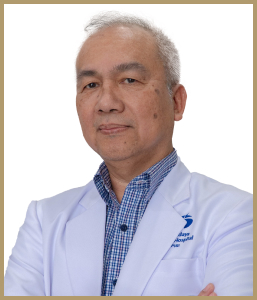
An internal medicine specialist with a subspecialty in nephrology (kidney and hypertension). He has extensive experience managing kidney conditions such as chronic kidney disease, acute kidney failure, and complications related to hypertension and diabetes. He is also involved in dialysis therapy, transplant eligibility evaluation, and post-transplant care, including immunosuppressive treatment management.
Schedule:
- Tuesday: 6:00 PM – 8:00 PM
- Saturday: 12:00 PM – 2:00 PM
2. Prof. dr. Chaidir Arif Mochtar, Sp.U(K), PhD
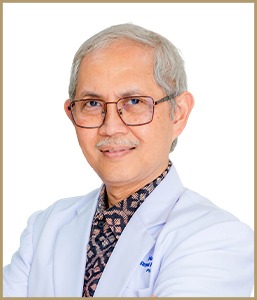
A senior urologist with extensive experience in urological surgery both domestically and internationally. His expertise includes kidney surgery, prostate procedures, varicocele, PCNL, and kidney transplantation. He is also skilled in laparoscopic (minimally invasive) techniques, which help accelerate recovery. He has received training in the Netherlands.
Schedule:
- Monday: 4:00 PM – 6:00 PM
- Thursday: 4:00 PM – 6:00 PM
3. Prof. dr. Ponco Birowo, Sp.U(K), PhD
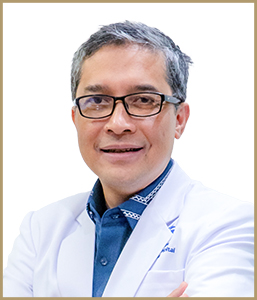
A highly experienced urologist known for handling complex cases, including kidney transplantation. With extensive experience in urological surgery, he is one of the leading referral doctors for kidney transplant procedures in Indonesia.
Schedule:
- Tuesday: 4:00 PM – 6:00 PM
- Thursday: 4:00 PM – 6:00 PM
4. dr. Sigit Sholichin, Sp.U, FICRS
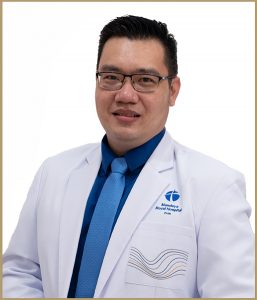
A urologist experienced in kidney transplantation procedures. He completed his medical education at Diponegoro University and specialized in urology at the University of Indonesia. His expertise includes urinary tract surgery, prostate procedures, kidney surgery, varicocele, prostate biopsy, and uroflowmetry. He also holds international certifications in robotic and laparoscopic surgery.
Schedule:
- Monday: 1:30 PM – 4:00 PM
- Wednesday: 1:30 PM – 4:00 PM
- Saturday: 12:30 PM – 3:00 PM
5. dr. Vidhia Umami, Sp.PD-KGH
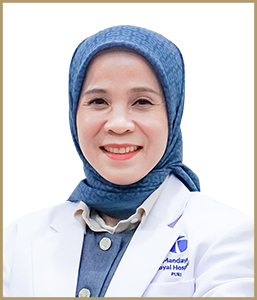
An internal medicine specialist consultant in nephrology and hypertension, and part of the kidney transplant team. She completed her medical and internal medicine training at the University of Indonesia. She is responsible for monitoring kidney function, managing immunosuppressive therapy, and handling post-transplant complications such as infections or declining kidney function. She is also active in professional organizations such as Pernefri and PDPDI.
Schedule:
- Tuesday: 8:00 AM – 12:00 PM
- Wednesday: 8:00 AM – 12:00 PM
- Thursday: 8:00 AM – 10:00 AM
- Saturday: 8:00 AM – 2:00 PM
To make your visit easier, you can use the WhatsApp Chat feature, Book Appointment service, or the Care Dokter app (available on Google Play and the App Store) to manage appointments, check queue numbers, and access complete information.
*The information on this page is intended for educational purposes and general overview only, and does not represent the full scope of medical services provided by each doctor. For proper diagnosis and treatment, it is recommended to consult directly with a doctor.
If you have questions, suggestions, or need further information, please contact our call center at 0811-1900-2000.