



Rheumatoid arthritis is a chronic autoimmune disease in which the immune system attacks healthy joint tissue. This condition commonly causes joint inflammation, especially in the hands, wrists, and feet, leading to pain, swelling, stiffness, and limited movement. Symptoms of rheumatoid arthritis often develop gradually and may be accompanied by fatigue, mild fever, and persistent discomfort.
Due to its chronic nature and impact on quality of life, many people with rheumatoid arthritis seek more information about how it can be managed. So, can rheumatoid arthritis be cured, and are there ways to control the symptoms so daily activities can continue comfortably?

Contents
Can Rheumatoid Arthritis Be Cured?
Rheumatoid arthritis cannot currently be cured completely. As an autoimmune disease, there is no treatment that can eliminate it entirely. However, various approaches are available to help reduce pain and inflammation while slowing the progression of the disease, allowing the condition to be better controlled.
Early detection and prompt management play an important role in managing rheumatoid arthritis. The earlier the condition is identified, the greater the chance of controlling inflammation and preserving joint function. Proper monitoring also helps prevent symptoms from becoming more severe.
Without appropriate management, rheumatoid arthritis can lead to permanent damage to cartilage and joints. Over time, it may also affect other organs such as the lungs and heart. Therefore, consistent and ongoing management is essential to help maintain the quality of life of people living with rheumatoid arthritis.
Treatment and Management Options for Rheumatoid Arthritis
Below are several treatment and management options for rheumatoid arthritis that may be recommended by a doctor based on the patient’s condition:
1. Medications
Treatment for rheumatoid arthritis is tailored to the severity of symptoms and the duration of the disease. Doctors and patients work together to determine the most suitable medications.
- NSAIDs (Nonsteroidal Anti-Inflammatory Drugs): Used to help relieve pain, swelling, and joint inflammation. Some NSAIDs are available over the counter, while others require a prescription. Possible side effects include stomach, heart, and kidney problems.
- Corticosteroids: Medications such as corticosteroids help reduce inflammation and pain and slow joint damage. They are often used for rapid symptom relief, with the dosage gradually reduced once the condition is under control.
- Conventional DMARDs: These drugs help slow the progression of rheumatoid arthritis and protect joints from long-term damage. Regular monitoring is required due to potential side effects.
- Biologic DMARDs: A type of DMARD that targets specific parts of the immune system. They are often used in combination with conventional DMARDs and require close monitoring due to an increased risk of infection.
- Targeted Synthetic DMARDs: Prescribed when conventional and biologic DMARDs do not provide optimal results. These medications work specifically to inhibit inflammatory processes associated with rheumatoid arthritis.
2. Therapy
Physical therapy or occupational therapy can help maintain joint flexibility, strengthen muscles, and make daily activities easier. Therapists may also recommend assistive devices to reduce stress on affected joints.
3. Surgery
Surgery may be considered if medications and other treatments are unable to prevent joint damage. The goal of surgery is to repair or replace damaged joints, helping to reduce pain and restore joint function.
Rheumatoid Arthritis Specialist at RS Mandaya Royal Puri: dr. Gantira
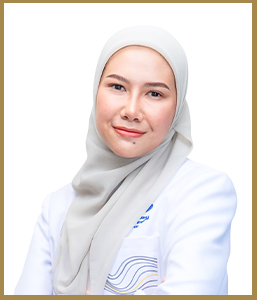
RS Mandaya Royal Puri is supported by an experienced rheumatoid arthritis specialist, dr. Gantira Wijayakusumah Danasasmita, Sp.PD, Subsp.R(K). He is an internal medicine specialist with advanced expertise in managing rheumatologic conditions, including rheumatoid arthritis and other autoimmune diseases.
Dr. Gantira completed his medical degree at Universitas Jenderal Achmad Yani (UNJANI) and continued his training in internal medicine and rheumatology sub-specialization at Universitas Indonesia. Rheumatology focuses on diseases affecting the joints, muscles, bones, and connective tissues, such as arthritis, rheumatism, lupus, gout, and other autoimmune disorders.
The Subsp.R(K) (consultant) title indicates that dr. Gantira has completed the highest level of subspecialty training in rheumatology. With his educational background and clinical experience, he is recognized for his comprehensive expertise in diagnosing and managing rheumatologic diseases.
Practice Schedule at RS Mandaya Royal Puri:
- Tuesday: 3:00 PM – 6:00 PM (WIB)
- Friday: 10:00 AM – 1:00 PM (WIB)
- Saturday: 3:00 PM – 6:00 PM (WIB)
To make your visit easier, you can use the Chat via WhatsApp feature, Book Appointment, or the Care Dokter application available for download on Google Play and the App Store to schedule visits, check queue numbers, and access other important information.