



A pinched nerve often causes symptoms such as radiating pain, tingling, and weakness in certain parts of the body, which can interfere with daily activities. So, can a pinched nerve heal on its own? In mild cases, the symptoms may gradually improve with rest and simple care. However, in more severe cases, medical treatment is necessary to prevent complications.
Mandaya Royal Hospital Puri provides a comprehensive center for pinched nerve treatment, covering conditions affecting the neck, lower back, and spine. The hospital is supported by experienced neurosurgeons and orthopedic spine consultants who specialize in diagnosing and treating spinal nerve disorders.

Contents
Can a Pinched Nerve Heal on Its Own?
This question often arises, especially when symptoms such as pain or tingling have just begun to appear. In general, whether a pinched nerve can heal on its own largely depends on the severity of the condition. Some cases may improve with simple home care, while others require medical treatment to prevent long-term complications.
Below is an explanation based on the severity level:
1. Mild Pinched Nerve
In mild cases, the nerve usually experiences temporary pressure, for example due to prolonged sitting, poor posture, or excessive physical activity. Symptoms may include mild pain, tingling, or occasional numbness.
The good news is that mild pinched nerves often heal on their own. Adequate rest, avoiding activities that trigger pain, and performing gentle stretching exercises can help relieve pressure on the nerve. Within a few days to several weeks, symptoms usually improve gradually without the need for special medical treatment.
2. Moderate Pinched Nerve
At a moderate level, the pressure on the nerve tends to be stronger or lasts longer. Symptoms may become more disturbing, such as pain radiating to the arms or legs, muscle weakness, and more frequent tingling sensations.
In this situation, medical treatment may be necessary to support recovery. Doctors may recommend physiotherapy to improve posture and strengthen the muscles that support the spine. In addition, anti-inflammatory medications or corticosteroid injections may be prescribed to reduce inflammation and swelling around the nerve. With proper treatment, many moderate pinched nerve cases can still recover well.
3. Severe Pinched Nerve
Severe pinched nerves are generally caused by chronic conditions such as spinal stenosis (narrowing of the spinal canal) or other structural problems in the spine. The pressure on the nerve can persist for a long time and lead to significant symptoms, including severe pain, noticeable muscle weakness, and impaired body function.
At this stage, symptoms rarely improve with rest or home remedies alone. More intensive medical treatment is needed to prevent permanent nerve damage. Depending on the cause, doctors may recommend advanced therapies or certain procedures to relieve pressure on the nerve.
Therefore, it is important not to ignore symptoms that persist or worsen over time. Early medical evaluation can help determine the severity of the pinched nerve and guide the most appropriate treatment.
Pinched Nerve Specialists at Mandaya Royal Hospital Puri
Below are several doctors who treat pinched nerve conditions at Mandaya Royal Hospital Puri:
1. dr. Christian Ariono, Sp.BS-FTB, FINSS, FINPS, FICS

Dr. Christian Ariono is a neurosurgeon with extensive experience in treating various pinched nerve cases, particularly in the neck and spine. He is also skilled in performing nerve tumor surgery, managing cerebrovascular disorders, and treating various brain conditions, including meningitis.
As a member of the Indonesian Medical Association (IDI) and the Indonesian Society of Neurosurgeons (PERSPEBSI), Dr. Christian is proficient in a variety of modern neurosurgical techniques. These include arthrospine procedures and Anterior Cervical Discectomy and Fusion (ACDF), which are often used to treat complex pinched nerve cases.
Dr. Christian Ariono practices at Mandaya Royal Hospital Puri with the following schedule:
- Monday: 08:00 – 16:00 WIB
- Tuesday: 08:00 – 12:00 WIB
- Wednesday: 08:00 – 16:00 WIB
- Thursday: 08:00 – 16:00 WIB
- Friday: 08:00 – 16:00 WIB
- Saturday: 08:00 – 16:00 WIB
2. dr. Christian Permana, Sp.BS, FTB, FINSS, FICS
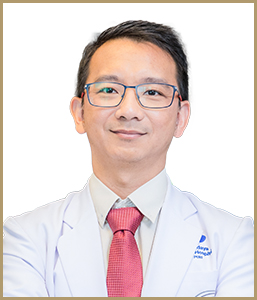
Dr. Christian Permana is a neurosurgeon who focuses on treating pinched nerves using minimally invasive techniques. He is experienced in performing advanced procedures such as Percutaneous Laser Disc Decompression (PLDD), Percutaneous Endoscopic Lumbar Discectomy (PELD), Percutaneous Stenoscopic Lumbar Decompression (PSLD), ACDF, and microdiscectomy.
The minimally invasive approach aims to minimize tissue damage so that postoperative pain can be reduced significantly. With these techniques, patients generally experience faster and more comfortable recovery after the procedure.
Dr. Christian Permana serves patients at Mandaya Royal Hospital Puri with the following schedule:
- Tuesday: 13:00 – 17:00 WIB
- Thursday: 13:00 – 17:00 WIB
- Friday: 13:00 – 17:00 WIB
- Saturday: 13:00 – 17:00 WIB
3. dr. Mohammad Fachry Lubis, Sp.OT-(K)

Dr. Mohammad Fachry Lubis is an orthopedic specialist and spine consultant with expertise in treating various spinal disorders, including pinched nerves. He completed his medical education at Universitas Sumatera Utara, followed by orthopedic specialist and spine consultant training at Universitas Indonesia.
With his strong educational background and clinical experience, Dr. Fachry has become one of the doctors frequently consulted for pinched nerve treatment in Jakarta and Tangerang. He is skilled in several modern procedures, including PLDD, Biportal Endoscopic Spinal Surgery (BESS), and Disc Replacement (spinal disc replacement surgery). These techniques allow treatment to be tailored according to the patient’s condition and severity level.
Dr. Mohammad Fachry Lubis practices at Mandaya Royal Hospital Puri with the following schedule:
- Tuesday: 16:00 – 19:00 WIB
- Thursday: 11:00 – 15:00 WIB
- Friday: 14:00 – 16:00 WIB
- Saturday: 14:00 – 17:00 WIB
Neuro Mapping IONM Technology for Safer Pinched Nerve Surgery
In pinched nerve surgery, precision is extremely important. To improve the safety of the procedure, Intraoperative Neuro Monitoring (IONM) technology is now available. This system monitors nerve activity during surgery.
IONM allows the medical team to observe nerve signals and responses in real time, ensuring that nerve pathways responsible for movement and sensation are clearly identified and protected.
With the help of IONM, surgeons can operate with greater precision because any changes in nerve function can be detected immediately. This helps doctors avoid critical nerve structures that may be at risk of injury during surgery while minimizing potential complications.
At Mandaya Royal Hospital Puri, neuro mapping during cervical pinched nerve surgery is performed directly by experienced neurologists, dr. Luh Ari Indrawati, Sp.N, Subsp. Nf.K.Nm.E.G.T. and dr. Nurul Fadli, Sp.N. They monitor the patient’s nerve function continuously throughout the operation.
For patients, the use of IONM provides an additional layer of safety. If any changes or disturbances in nerve function are detected during the procedure, the medical team can immediately make adjustments. This helps minimize the risk of complications such as limb weakness, persistent tingling, or other nerve-related problems, making the surgical outcome safer and more controlled.
To make your visit easier, you can use the WhatsApp Chat feature, Book Appointment service, or the Care Dokter application, available for download on Google Play and the App Store, to book appointments, check queue numbers, and access additional information.