


Brain tumor surgery is a medical procedure that requires an extremely high level of accuracy and precision. This is because the brain contains many critical structures such as nerves and blood vessels that must be carefully protected to avoid damage during the surgical process.
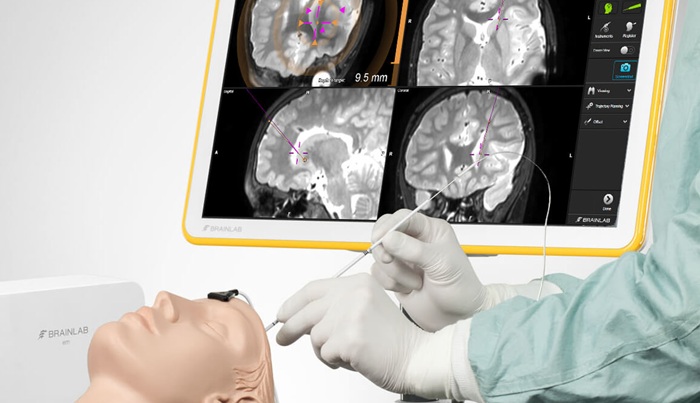
To improve the safety and accuracy of brain tumor surgery, RS Mandaya Royal Puri has introduced 3D neuronavigation technology that helps neurosurgeons visualize the position of tumors more clearly through a three-dimensional display on the operating screen. With the support of this technology, doctors can plan a safer surgical pathway, allowing the tumor removal process to be performed with greater precision.
At RS Mandaya Royal Puri, this technology is utilized by Dr. dr. Mardjono Joy Tjahjadi, Sp.BS, Subsp. N-Vas, F. N-Onk, PhD, FICS, IFAANS, better known as Dr. Joy. He is a neurosurgeon experienced in managing a wide range of complex neurological cases. In several cases, including rare brain tumors such as trigone meningioma, this brain mapping technology helps doctors perform surgery with higher precision, enabling safer and more targeted tumor removal.

Contents
How 3D Neuronavigation Technology Works in Brain Tumor Surgery
3D brain mapping technology, also known as neuronavigation, works by combining medical imaging data with a digital navigation system used during surgery. Through this system, neurosurgeons can view brain structures in greater detail and determine the safest surgical path to reach the tumor.
Below are the general stages of how this technology is used during brain tumor surgery:
1. Brain MRI Examination
The first step begins with a brain MRI examination. This imaging test provides a highly detailed view of the patient’s brain condition, including the location, size, and relationship of the tumor with surrounding brain tissue.
2. MRI Data Integration into the Navigation System
After the MRI examination is completed, the imaging data is uploaded into a neuronavigation system such as Brainlab. The system processes the data digitally and converts it into a three-dimensional brain map.
3. Surgical Planning
The neurosurgeon then uses the system to plan the surgical strategy. At this stage, the doctor determines the most appropriate approach to reach the tumor and designs the safest surgical pathway.
4. Alignment with the Patient’s Head Position (Registration)
Inside the operating room, the navigation system is adjusted to match the patient’s actual head position. This process is known as registration, which aligns the digital brain map with the patient’s real anatomical structure in real time.
5. Tumor Location Marking
The surgeon then marks the location of the tumor on the navigation system screen. This marking serves as the main reference throughout the surgical procedure.
6. Visualization of Tumors and Blood Vessels
Next, the screen displays a highly detailed image of the brain, including the tumor and surrounding blood vessels. Important structures are usually displayed in different colors so they can be easily identified during surgery.
7. Determining the Safest Surgical Path
With the help of this navigation system, the surgeon can identify the safest path to reach the tumor. This technology helps minimize the risk of damaging critical brain tissue while improving the precision of tumor removal.
The Role of 3D Brain Mapping Technology in Brain Tumor Surgery
In modern brain tumor surgery, precision is one of the most critical factors. Neurosurgeons require accurate guidance to identify the tumor location and determine the safest surgical pathway. To support this need, RS Mandaya Royal Puri uses neuronavigation technology, often referred to as “brain GPS.”
This system is capable of mapping brain structures in a three-dimensional view and displaying them in real time during surgery.
With this technology, surgeons can clearly see the relationship between the tumor and the surrounding brain tissue. This guidance allows the tumor removal process to be performed in a more controlled manner while minimizing the risk of damaging healthy brain tissue.
Some of the key benefits of brain GPS technology in brain tumor surgery include:
- Helping map the tumor location accurately based on MRI or CT scan results integrated into the surgical navigation system
- Assisting doctors in determining the safest surgical pathway to reach the tumor
- Displaying surgical instruments in real time within the digital brain map so surgeons maintain clear orientation during the procedure
- Reducing the risk of injury to critical brain areas, such as those responsible for movement, speech, and vision
- Helping doctors clearly identify tumor boundaries, increasing the chances of more complete tumor removal
The use of 3D brain mapping technology is particularly important for tumors located deep within the brain or in difficult-to-reach areas, such as trigone meningioma. With precise navigation support, surgery can be performed with improved safety and higher success rates.
Patient Story: Brain Tumor Surgery Using 3D Brain Mapping Technology at RS Mandaya Royal Puri
One example of a successful brain tumor surgery at RS Mandaya Royal Puri is the case of Mr. GBD, a content creator known on social media as Elder Storyteller. He underwent surgery to remove a 4 × 4 cm meningioma brain tumor with Dr. Joy.
Initially, Mr. GBD experienced sudden seizures while having a meal with his family. After undergoing CT scan and MRI examinations, doctors discovered a tumor on the left side of his brain that was pressing on nerves and affecting his vision.
The tumor was also suspected to be the cause of several symptoms he had previously experienced, including visual disturbances and several sudden falls.
Through surgery supported by modern neurosurgical technology such as neuronavigation or brain GPS, the tumor was successfully removed by approximately 99%, based on postoperative CT scan and MRI results.
Mr. GBD’s recovery process was also relatively fast. After surgery, he did not require ICU care and was already able to sit, stand, and walk within a few days.
This case illustrates how the combination of an experienced neurosurgeon and advanced medical technology can significantly improve the success rate of brain tumor surgery while also accelerating patient recovery.
Profile and Practice Schedule of Dr. Joy at RS Mandaya Royal Puri

Dr. dr. Mardjono Joy Tjahjadi, Sp.BS, Subsp. N-Vas, F. N-Onk, PhD, FICS, IFAANS, known as Dr. Joy, is a neurosurgeon with a subspecialty in cerebrovascular diseases. He earned his doctoral degree from the University of Helsinki, Finland, focusing his research on brain aneurysms, including the scientific understanding and clinical approaches to managing this condition.
In addition to actively treating patients, Dr. Joy also contributes to medical science through academic activities. He is the author of the book “Memahami Aneurisma Otak” (Understanding Brain Aneurysms), which has been published in two editions. The book comprehensively discusses brain aneurysms, including their causes, disease mechanisms, diagnostic methods, and available treatment options.
In his clinical practice, Dr. Joy has extensive experience in handling complex neurological conditions, including:
- Brain aneurysms
- Cerebral blood vessel stenosis (narrowing of brain blood vessels)
- Brain hemorrhage
- Brain tumors
- Brain cancer
With extensive clinical experience, a strong academic background, and international training at several leading neurosurgery centers worldwide, Dr. Joy is recognized as one of the experienced neurosurgeons in Indonesia. His expertise focuses primarily on complex cerebrovascular disorders and brain tumors.
For patients who wish to consult, the practice schedule of Dr. Joy at RS Mandaya Royal Puri is as follows:
- Monday: by appointment
- Tuesday: 14:00 – 17:00 WIB
- Wednesday: by appointment
- Thursday: 08:00 – 12:00 WIB
- Friday: 14:00 – 17:00 WIB
- Saturday: 08:00 – 12:00 WIB
To make visits more convenient, patients can use several digital services provided by RS Mandaya Royal Puri, including WhatsApp Chat, Book Appointment, or the Care Dokter application available on Google Play and the App Store. Through these services, patients can schedule consultations, check queue numbers, and obtain various important information related to hospital services.