


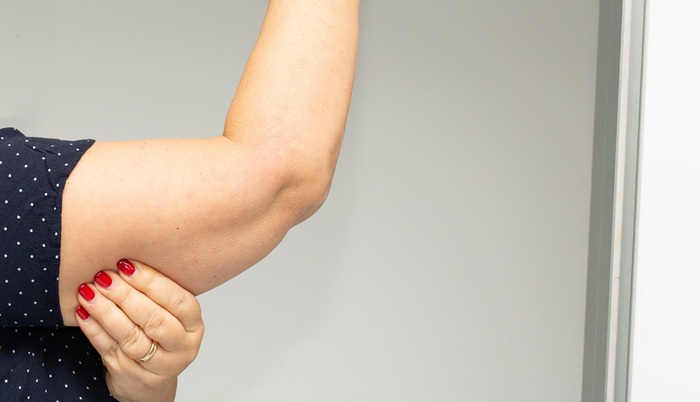
Lymphedema is a condition characterized by swelling caused by the buildup of protein-rich fluid in body tissues. Normally, excess fluid is drained through the lymphatic system, a network of vessels and lymph nodes that helps maintain fluid balance and fight infections. However, when the lymphatic system becomes damaged or blocked, fluid cannot flow properly. As a result, it accumulates in the tissues and causes swelling.
Lymphedema most commonly affects the arms and legs, but it can also develop in the chest wall, abdomen, neck, and genital area. The condition may be triggered by cancer treatments involving the removal of or damage to lymph nodes, injuries to the lymphatic system, inherited factors, or unknown causes. If it becomes more severe, lymphedema can restrict movement and increase the risk of skin changes, infections, and even sepsis.
Lymphedema is classified into four stages, from Stage 0, also known as the latent stage, to Stage 3, which involves severe swelling and changes in the skin. Each stage has different characteristics, including changes in sensation, size, skin color, and texture. So, what distinguishes the four stages of lymphedema? Here is an explanation.

Contents
Understanding the Stages of Lymphedema: From Stage 0 to Stage 3
Lymphedema is classified into four stages: Stage 0, Stage 1, Stage 2, and Stage 3. Each stage reflects the progression of swelling, ranging from symptoms that are not yet physically visible to severe swelling accompanied by changes in skin color and texture. Here is a closer look at each stage:
Stage 0: Hidden Swelling Without Visible Physical Changes
In Stage 0, the lymphatic system has already been affected, causing lymph fluid to flow less effectively. However, there is no visible swelling in the affected area yet.
Even so, people with this condition may begin to feel that the affected area is heavier, tighter, or swollen, even though there is no noticeable change in the size of the limb.
Stage 1: Mild Swelling That Can Subside
In Stage 1, swelling becomes visible, but it is still relatively mild. It may go away on its own when the affected body part is elevated or positioned higher.
This indicates that lymph fluid can still be drained, meaning the swelling has not yet become permanent.
Stage 2: Persistent Swelling and Early Skin Hardening
In Stage 2, swelling is present most of the time and does not easily subside, even when the affected limb is elevated.
The skin in the affected area may also feel firmer or denser than the surrounding skin. This is associated with fluid accumulation and changes in the tissues as the condition progresses.
Stage 3: Severe Swelling Accompanied by Changes in Skin Color and Texture
Stage 3 is the most severe stage of lymphedema. At this point, swelling is significant and may be accompanied by changes in the skin, including changes in color and texture.
The affected skin may become thicker, harder, and visibly altered in shape as a result of advanced lymphedema.
What Causes Lymphedema?
Lymphedema can develop when the lymphatic system becomes damaged or blocked, preventing lymph fluid from flowing properly. Several factors that may trigger this condition include:
- Breast cancer surgery: Removing lymph nodes in the armpit can damage the pathways through which lymph fluid drains.
- Pelvic surgery: Removing lymph nodes in the pelvic area can disrupt lymphatic circulation, particularly in the legs.
- Radiation therapy: Radiotherapy can cause scarring, inflammation, and damage to lymphatic vessels.
- Injury or trauma: Physical impacts or injuries can damage lymphatic vessels beneath the skin or in deeper tissues.
- Infections: Infections can worsen damage to the lymphatic system and interfere with lymph fluid drainage.
- Obesity: Excess fat tissue can put pressure on lymph nodes and vessels, making it harder for lymph fluid to flow.
- Physical inactivity: Leg muscles help pump lymph fluid through the body. Limited movement can cause fluid to accumulate, particularly in the legs.
- Tumors: Tumor growth can compress or block lymphatic vessels, preventing proper fluid drainage.
- Heart disease: Heart conditions, particularly congestive heart failure, can disrupt fluid circulation and cause swelling.
- Blood vessel disorders: Chronic problems affecting the blood vessels can interfere with the body’s fluid circulation and contribute to swelling.
- Kidney disease: Reduced kidney function can impair the removal of excess fluid, leading to fluid buildup in body tissues.
When Should You See a Doctor for Lymphedema Symptoms?
Consult a doctor promptly if you experience persistent swelling in your arms, legs, or other parts of your body. If you have already been diagnosed with lymphedema, seek medical attention if the swelling suddenly increases or becomes more severe.
You should also seek immediate medical evaluation if you develop a fever accompanied by redness or changes in skin color in the affected area. These symptoms may indicate an infection that requires prompt treatment to prevent serious complications.
Lymphedema Treatment at Mandaya Royal Hospital Puri
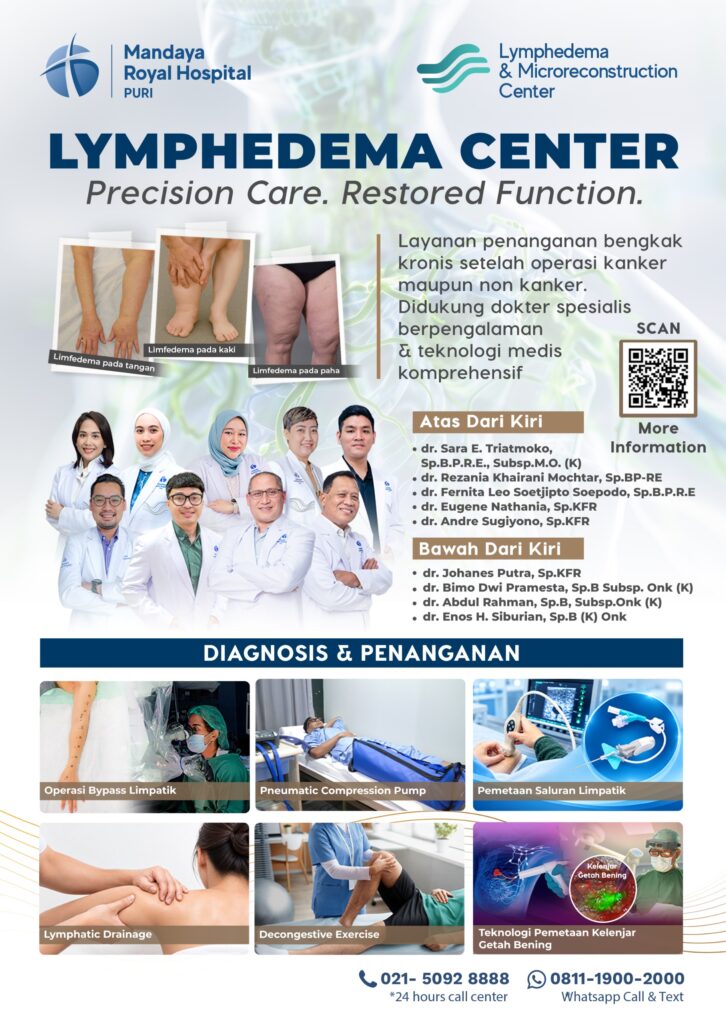
The Lymphedema Center at Mandaya Royal Hospital Puri provides comprehensive care through various treatment methods. These include microsurgical procedures to improve lymphatic fluid drainage and rehabilitation programs to help control swelling. Available treatment options include:
1. Lymphaticovenular Anastomosis (LVA) or Lymphatic Bypass
Lymphaticovenular Anastomosis (LVA) is a microsurgical procedure in which lymphatic vessels are connected to small veins. This creates an alternative pathway that allows lymph fluid to flow directly into the bloodstream, helping reduce fluid buildup in body tissues.
2. Lymph Node Transfer
Lymph node transfer involves taking healthy lymph nodes from one part of the body and transplanting them into the area affected by lymphedema. The goal is to help restore lymphatic system function and improve lymph fluid drainage in the swollen area.
3. Rehabilitation Using Compression Devices
One method of lymphedema rehabilitation involves using compression devices. These devices apply controlled pressure to the affected area to help move lymph fluid and reduce fluid accumulation. Compression therapy can also be part of a broader approach to managing lymphedema symptoms.
4. Manual Lymphatic Drainage (MLD)
Manual lymphatic drainage (MLD) is a specialized massage technique that uses gentle pressure and specific movements. It aims to redirect lymph fluid away from areas where it has accumulated and toward other lymphatic pathways that are still functioning properly.
At Mandaya Royal Hospital Puri, MLD therapy is performed by certified physiotherapists. This helps ensure that the technique and treatment approach are adjusted to each patient’s condition and needs.
Doctors Specializing in Lymphedema Treatment at Mandaya Royal Hospital Puri
Lymphedema treatment at Mandaya Royal Hospital Puri involves a multidisciplinary team of doctors, including specialists in plastic and reconstructive surgery and Physical Medicine and Rehabilitation. This collaborative approach allows patients to receive care that includes both reconstructive procedures and medical rehabilitation, depending on the severity of their condition and individual needs.
The following doctors are part of the Lymphedema Center team at Mandaya Royal Hospital Puri:
1. dr. Sara Ester Triatmoko, Sp.BPRE, Subsp.MO (K)
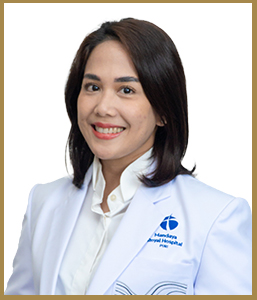
dr. Sara Ester Triatmoko is a plastic, reconstructive, and aesthetic surgeon with subspecialty expertise in microsurgical reconstruction and oncoplastic surgery. She performs various procedures to restore the structure, appearance, and function of the body, including reconstruction after cancer surgery, tissue repair following trauma, burn treatment, and correction of congenital abnormalities.
dr. Sara Ester Triatmoko, Sp.BPRE, Subsp.MO (K) is available at Mandaya Royal Hospital Puri on:
- Tuesday: 17:00–19:30 WIB
- Thursday: 17:00–19:30 WIB
2. dr. Andre Sugiyono, Sp.KFR
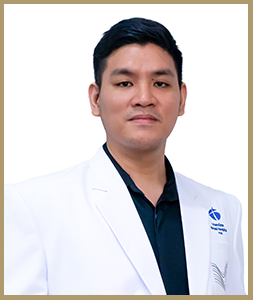
dr. Andre Sugiyono is a Physical Medicine and Rehabilitation specialist who focuses on restoring bodily function through various rehabilitation programs. His areas of expertise include electrotherapy, physiotherapy, hydrotherapy, and rehabilitation for post-stroke patients.
dr. Andre Sugiyono, Sp.KFR is available at Mandaya Royal Hospital Puri on:
- Monday: 08:30–15:30 WIB
- Tuesday: 08:30–15:30 WIB
- Wednesday: 08:30–15:30 WIB
- Thursday: 08:30–15:30 WIB
- Friday: 08:30–15:30 WIB
- Saturday: 14:30–19:00 WIB
3. dr. Eugene Nathania, Sp.KFR
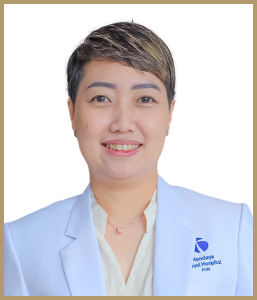
dr. Eugene Nathania is a Physical Medicine and Rehabilitation specialist who completed her general medical and specialist training at the University of Indonesia. Her areas of expertise include various rehabilitation methods, such as manual therapy, obstetric rehabilitation, casting, and dry needling.
In addition, dr. Eugene treats musculoskeletal pain and provides rehabilitation programs to help patients regain mobility and bodily function following injuries or certain medical conditions.
dr. Eugene Nathania, Sp.KFR is available at Mandaya Royal Hospital Puri on:
- Monday: 08:00–14:00 WIB
- Tuesday: 08:00–14:00 WIB
- Wednesday: 08:00–14:00 WIB
- Thursday: 08:00–14:00 WIB
- Friday: 08:00–14:00 WIB
- Saturday: 08:00–14:00 WIB
4. dr. Johanes Putra, Sp.KFR

dr. Johanes Putra is a Physical Medicine and Rehabilitation specialist whose expertise focuses on musculoskeletal rehabilitation, particularly conditions affecting the muscles, bones, and joints. He is also experienced in interventional pain management procedures to help relieve patients’ pain.
dr. Johanes Putra, Sp.KFR is available at Mandaya Royal Hospital Puri on:
- Monday: 14:30–20:00 WIB
- Tuesday: 14:30–20:00 WIB
- Wednesday: 14:30–20:00 WIB
- Thursday: 14:30–20:00 WIB
- Friday: 14:30–20:00 WIB
- Saturday: 08:00–14:00 WIB
With specialists from various medical fields, the Lymphedema Center at Mandaya Royal Hospital Puri emphasizes a multidisciplinary approach to patient care. The service is also supported by nurses who have received specialized training and have experience assisting patients throughout their lymphedema treatment.
Facilities for Out-of-Town and International Patients at Mandaya Royal Hospital Puri
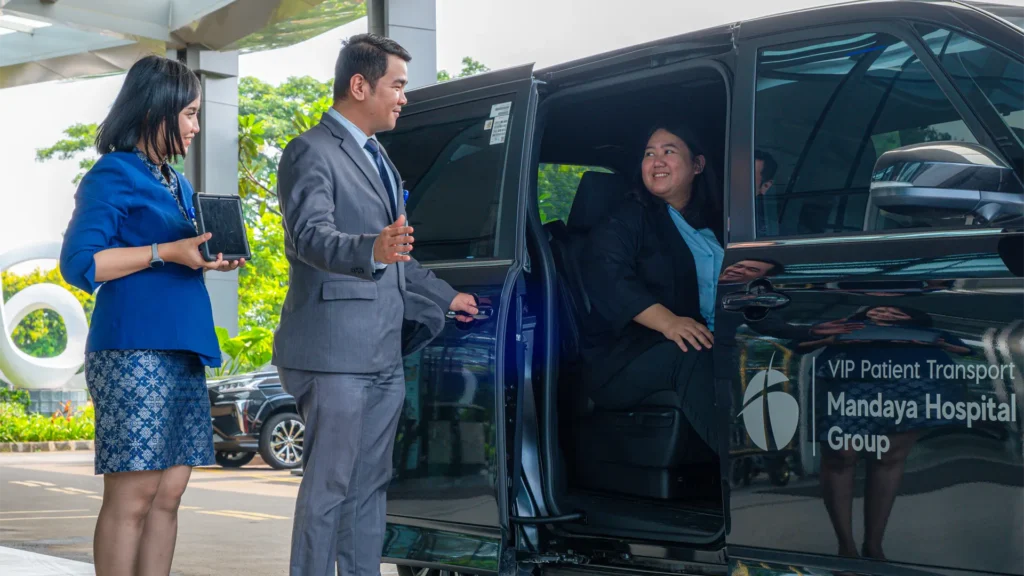
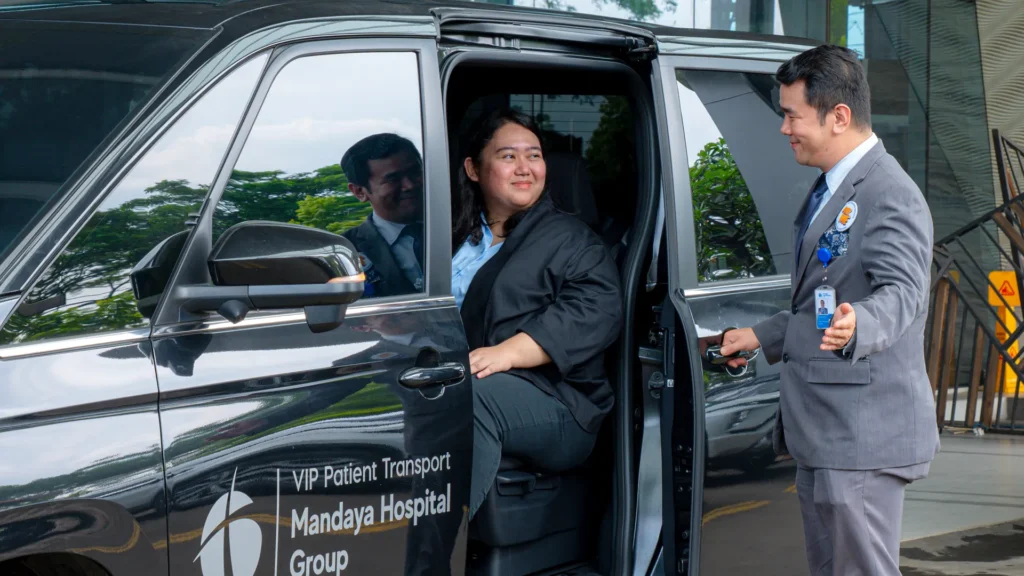
Mandaya Royal Hospital Puri provides various support facilities to offer additional comfort for patients traveling from other cities or countries:
- VIP transportation: A pickup service from Soekarno-Hatta International Airport, train stations, or seaports to the hospital in comfortable vehicles, accompanied by a Patient Experience Officer (PEO).
- Medical ambulance pickup: A dedicated pickup service for patients with specific medical needs from their arrival point (airport, train station, or seaport), with medical equipment and assistance from professional healthcare personnel.
- Accommodation (Sleep Hub and apartments): Comfortable accommodation for patients’ families, located on the 8th floor of the Mandaya Royal Puri building, with additional apartment options nearby.
- International Patient Relation: Dedicated assistance for international patients with medical coordination, interpretation, and administrative arrangements. For information and assistance, contact International Patient Relation at 021 5092 8888 or email [email protected].
To make your visit to Mandaya Royal Hospital Puri easier, you can use the WhatsApp chat feature, Book Appointment service, or the Care Dokter app, available on Google Play and the App Store. These services allow you to arrange visits, check queue numbers, and access other useful information.
The information on this page is intended for educational purposes and provides a general overview. It does not represent the full range of medical services that each doctor may provide. To determine the most appropriate treatment for your health condition, we recommend consulting the relevant doctor directly.
If you have any questions, suggestions, or need further information, please contact our call center at 0811-1900-2000.

References
- Mayo Clinic. Lymphedema – Symptoms and Causes. (https://www.mayoclinic.org/diseases-conditions/lymphedema/symptoms-causes/syc-20374682). Accessed on November 13, 2026.
- Cleveland Clinic. Lymphedema. (https://my.clevelandclinic.org/health/diseases/8353-lymphedema). Accessed on November 13, 2026.