


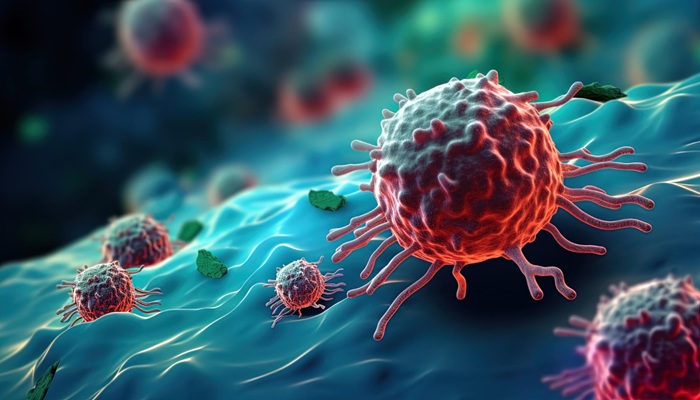
Cancer does not always remain in the organ where it first develops. Under certain conditions, cancer cells can break away from the original tumor and spread through the bloodstream or lymphatic system to other parts of the body. This process of cancer spreading to other organs or tissues is known as metastasis.
Almost all types of cancer have the potential to metastasize. However, the likelihood of cancer spreading depends on several factors, including the type of cancer, tumor size, and the location where the cancer first developed. Therefore, medical examinations are necessary to determine whether cancer is still confined to its original organ or has spread to other parts of the body.

Contents
How can you tell if cancer has spread (metastasized) to other organs?
One examination that can help determine whether cancer has spread to other organs is a Positron Emission Tomography scan, or PET scan. This examination uses a small amount of radioactive tracer to evaluate the activity of tissues and organs in the body. Depending on the type of examination, the tracer can show how cells use sugar, how blood flows, or how certain substances bind to cells.
A PET scan can help detect changes in cellular activity associated with various diseases, including cancer. In some cases, it may also identify changes earlier than other imaging examinations, such as CT scans or MRI scans.
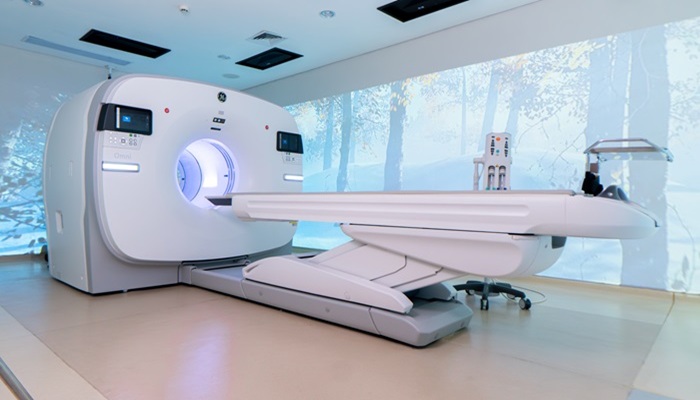
In clinical practice, a PET scan is generally combined with a CT scan in a procedure known as a PET/CT scan. These two examinations provide complementary information. A PET scan shows the metabolic activity of cells, while a CT scan displays the body’s anatomical structures, including the shape, size, and location of organs and tissues. Combining the two helps doctors obtain a more comprehensive picture of the body when evaluating cancer and its potential spread.
One commonly used type of PET/CT examination is the FDG PET/CT scan. This examination uses FDG (fluorodeoxyglucose), a tracer that resembles sugar. Cancer cells generally use more sugar than most normal cells, making their activity visible on the scan. This information helps doctors identify areas suspected of containing cancer cells and evaluate the stage of the disease.
How PET/CT Scans Help Detect Cancer Spread
A PET/CT scan is performed to examine the activity of cells and tissues throughout the body. The examination can cover various organs, including the brain, lungs, and heart. When managing cancer, doctors may recommend this examination for several purposes:
- Detecting cancer: Helping identify areas of the body that show abnormal cellular activity and may indicate cancer.
- Identifying cancer spread: Evaluating whether cancer cells have spread from the original organ to other tissues or organs.
- Helping determine the cancer stage: Providing information about the extent of cancer spread to help doctors determine an appropriate treatment plan.
- Planning treatment: Helping doctors select a treatment approach based on the patient’s condition and the extent of cancer spread.
- Monitoring treatment response: Evaluating changes in cancer cell activity after the patient undergoes treatment.
- Detecting cancer recurrence: Helping identify the possibility of cancer returning after the patient has completed treatment.
In certain cases, doctors may also recommend a whole-body PET/CT scan to evaluate possible cancer spread or recurrence in different parts of the body. This examination covers a wide area, generally from the head to the feet or from the base of the skull to the thighs, allowing doctors to obtain a more comprehensive picture of the patient’s cancer.
Types of Cancer That Can Be Evaluated Using PET/CT Scans
A PET/CT scan can help detect the presence and spread of various types of cancer, including:
- Brain cancer
- Breast cancer
- Colorectal cancer (colon and rectal cancer)
- Head and neck cancer
- Lung cancer
- Lymphoma (cancer of the lymphatic system)
- Prostate cancer
- Cervical cancer
- Esophageal cancer
- Melanoma (skin cancer)
- Pancreatic cancer
- Thyroid cancer
Digital PET/CT Scan Services at Mandaya Royal Hospital Puri
Mandaya Royal Hospital Puri uses Digital PET/CT Scan technology, a next-generation digital PET/CT system that offers improved imaging quality and a more efficient examination process compared with conventional PET scans. Some of its advantages include:
- Higher image resolution: Helps doctors examine tissue details and detect very small cancer lesions, including those measuring less than 1 cm.
- Better image contrast: Produces clearer images, making it easier to identify the location and characteristics of lesions, as well as areas where the tracer has accumulated.
- Lower radiation dose: Delivers good image quality with lower radiation exposure compared with analog PET scan technology.
- Shorter scan time: The Digital PET/CT scan at Mandaya can take approximately 10–15 minutes, helping reduce examination time and patient discomfort.
- Improved patient comfort: Equipped with the 360 Panorama Experience feature, which displays panoramic scenery surrounding the patient during the examination.
- More detailed information about the disease: Helps doctors evaluate the location and spread of cancer, determine its stage, assess tumor characteristics, and monitor the patient’s response to treatment.
Facilities for Out-of-Town and International Patients at Mandaya Royal Hospital Puri


Mandaya Royal Hospital Puri provides various supporting facilities to offer additional comfort for patients traveling from other cities or countries:
- VIP transport: A pickup service from Soekarno-Hatta International Airport, train stations, or seaports to the hospital in a comfortable vehicle, accompanied by a Patient Experience Officer (PEO).
- Medical ambulance pickup: A dedicated pickup service for patients with specific medical needs from arrival points, such as airports, train stations, or seaports. The ambulance is equipped with medical equipment and accompanied by professional healthcare personnel.
- Accommodation (Sleep Hub & apartments): Comfortable accommodation for family members accompanying patients. The Sleep Hub is located on the 8th floor of the Mandaya Royal Puri building, with additional apartment options nearby.
- International Patient Relation: Dedicated assistance for international patients, including medical coordination, interpretation services, and administrative support. For information and assistance from International Patient Relation, you can contact 021 5092 8888 or email [email protected].
To make your visit to Mandaya Royal Hospital Puri easier, use the WhatsApp Chat feature, Book Appointment service, or the Care Dokter app, which is available for download on Google Play and the App Store. These services can help you arrange visits, check queue numbers, and access other useful information.
The information provided on this page is intended for educational purposes and as a general overview. It does not represent the full range of medical services that each doctor may provide. To ensure that you receive care appropriate to your health condition, we recommend consulting directly with the relevant doctor.
If you have any questions, suggestions, or need further information, please contact our call center at 0811-1900-2000.

References:
- Cleveland Clinic. Metastasis (Metastatic Cancer). (https://my.clevelandclinic.org/health/diseases/22213-metastasis-metastatic-cancer). Accessed on November 4, 2026.
- Mayo Clinic. PET Scan. (https://www.mayoclinic.org/tests-procedures/pet-scan/about/pac-20385078). Accessed on November 4, 2026.