


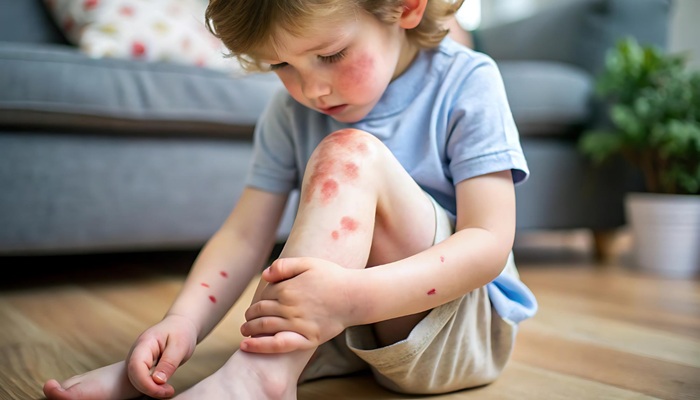
Bruising is relatively common in children, especially when they are active and accidentally bump into things or fall while playing. Normal bruises typically appear on the shins following minor bumps during daily activities. In younger children, bruises may also develop on the forehead after a fall. These bruises are generally flat, smaller than a coin, and gradually change color from reddish to purple or blue, green, yellow, and yellowish-brown before eventually disappearing within approximately two weeks.
However, parents should be more cautious if their child bruises very easily, particularly when bruises appear repeatedly or are accompanied by clusters of small red spots caused by broken blood vessels. These signs may sometimes be associated with certain medical conditions, such as a low platelet count that interferes with normal blood clotting. If bruising is also accompanied by other symptoms, such as nosebleeds or bleeding that is difficult to stop, the child should be examined by a doctor to determine the underlying cause.

Contents
Understanding the Causes of Easy Bruising in Children
Children who bruise easily do not necessarily have a serious medical condition. However, if bruises appear too frequently, are unusually large, or develop without any apparent injury, they may be associated with disorders affecting the blood, blood vessels, or blood-clotting process.
Some medical conditions that can cause children to bruise easily include:
1. Acute Hemorrhagic Edema of Infancy
Acute hemorrhagic edema of infancy is an inflammatory condition affecting the blood vessels, usually occurring in infants between 4 and 24 months of age. Approximately half of the cases are accompanied by fever or a history of a recent infection.
The condition is characterized by large, bruise-like patches that appear reddish-purple or dark on the skin. Swelling usually begins in the hands and feet before potentially spreading to the arms and legs. Although the appearance may be concerning, the condition is generally harmless and tends to resolve on its own within 1–3 weeks without specific treatment.
2. Von Willebrand Disease
Von Willebrand disease is a relatively common bleeding disorder that often causes mild symptoms. It occurs due to a problem involving von Willebrand factor, a protein that helps platelets attach to injured blood vessel walls to stop bleeding.
Children with this condition may bruise easily, experience frequent nosebleeds, and have excessive bleeding following surgery or medical procedures. Von Willebrand disease is generally inherited, although it may not be diagnosed until a child gets older. Treatment may involve medication depending on the patient’s condition.
3. Thrombocytopenia
Thrombocytopenia is a condition in which the platelet count in the blood falls below normal levels. Platelets play an important role in stopping bleeding by forming plugs at injured blood vessels.
This condition can occur when the body does not produce enough platelets, platelets are destroyed too quickly, or too many platelets become trapped in an enlarged spleen. Symptoms include easy bruising and frequent nosebleeds. Possible causes include bone marrow disorders, viral infections, and liver problems.
4. Immune Thrombocytopenia (ITP)
Immune thrombocytopenia (ITP), formerly known as idiopathic thrombocytopenic purpura, is an autoimmune disorder that causes platelet levels to decrease because the immune system mistakenly attacks and destroys platelets.
In children, this condition often develops after a viral infection. Symptoms may include large bruises and petechiae, which are tiny red or purple spots beneath the skin caused by bleeding from small blood vessels.
ITP in children generally resolves on its own, and the chances of recovery are good. However, some cases may be more severe and require medical monitoring and treatment.
5. Henoch-Schönlein Purpura (HSP)
Henoch-Schönlein purpura (HSP), now known as IgA vasculitis, is a condition involving inflammation of the small blood vessels. This inflammation can cause reddish to purplish rashes that resemble bruises, particularly on the arms, legs, and buttocks.
The exact cause of HSP is unknown. However, the condition often develops after a child has had an infection, such as a common cold or influenza. The rash usually fades within approximately one week, although it may recur over the following weeks in some children.
6. Hemophilia
Hemophilia is a blood clotting disorder caused by changes or mutations in the genes responsible for producing clotting factors. As a result, the body lacks certain clotting factors, causing bleeding to take longer to stop.
The condition is generally diagnosed when children are between 2 and 5 years old. Hemophilia may be suspected when a child frequently develops bruises, experiences bleeding in the joints, or has excessive bleeding after an injury or dental procedure.
7. Leukemia
Leukemia is a type of blood cancer that affects blood-forming cells, particularly in the bone marrow. The condition develops due to genetic changes in bone marrow cells, causing abnormal blood cell production and development.
In addition to easy bruising and bleeding caused by a low platelet count, children with leukemia may experience other symptoms, such as anemia, fever, and unexplained weight loss. In certain types of leukemia, bruising may also be accompanied by petechiae, or tiny red or purple spots beneath the skin.
8. Vitamin K Deficiency
Vitamin K is an essential vitamin that helps the body maintain normal blood clotting. It plays a role in producing prothrombin, a protein made by the liver that is necessary for blood clot formation.
When the body does not have enough vitamin K, the blood-clotting process can become impaired, making children more vulnerable to bleeding and bruising. This condition may occur due to insufficient intake of vitamin K-rich foods, such as green leafy vegetables. In newborns, vitamin K deficiency may also develop because only a small amount of vitamin K is transferred from the mother during pregnancy.
When Should You Take Your Child to a Doctor for Bruising?
If you notice unexplained bruises on your child’s body, particularly if there is a suspicion of abuse or physical maltreatment, take your child to a pediatrician immediately for an evaluation.
Parents should also consult a doctor if their child experiences any of the following:
- Bruises consisting of clusters of tiny red spots, which may indicate broken small blood vessels beneath the skin.
- Bruising accompanied by other symptoms, such as nosebleeds, fatigue, or lumps beneath the skin.
- Bruises appearing on the face, neck, torso, ears, or other areas that are not typically exposed to accidental bumps or injuries.
- Bruising in babies who have not yet started crawling or walking, even when there is no suspicion of abuse.
Parents should also seek medical advice whenever they are concerned about their child’s symptoms, particularly if the bruises do not follow the usual pattern of color changes or do not seem to heal.
Seek immediate medical attention if your child may have a broken bone or a more serious injury, especially if there is swelling, difficulty moving an affected limb, or severe pain.
Pediatric Hematology-Oncology Consultants at Mandaya Royal Hospital Puri
Children who frequently develop bruises, particularly without any apparent injury or when accompanied by other symptoms such as nosebleeds and fatigue, may require further medical evaluation. These symptoms may be associated with platelet disorders, blood clotting problems, or other blood-related conditions.
To identify the underlying cause, parents can consult a pediatric hematology-oncology specialist. The doctor will evaluate the child’s symptoms, medical history, and any necessary examination results to determine the cause and recommend appropriate treatment.
Mandaya Royal Hospital Puri has pediatric hematology-oncology consultants who manage various blood disorders and childhood cancers, including anemia, thalassemia, leukemia, and solid tumors.
1. dr. Ludi Dhyani Rahmartani, Sp.A, Subsp. H.Onk (K)
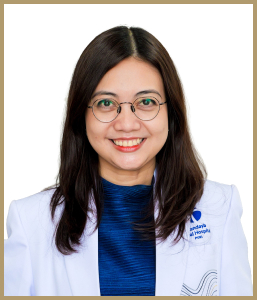
dr. Ludi Dhyani Rahmartani, Sp.A, Subsp. H.Onk (K) is a pediatric hematology-oncology consultant at Mandaya Royal Hospital Puri. She is experienced in managing various blood disorders and childhood cancers, including leukemia, thalassemia, brain tumors, and other types of pediatric cancer.
In her practice, dr. Ludi evaluates patients’ conditions, develops treatment plans, and monitors children’s progress throughout their treatment.
She completed her general medical education at the University of Indonesia in 2002, followed by pediatric specialist training at the same university, graduating in 2015. She also pursued a pediatric hematology-oncology subspecialty program at the University of Indonesia and graduated in 2021.
Some of the conditions and treatments within dr. Ludi’s areas of expertise include:
- Evaluating and managing various blood disorders in children, including thalassemia and other hematological conditions.
- Treating leukemia and various types of childhood cancer.
- Providing cancer treatments such as chemotherapy, targeted therapy, and immunotherapy.
- Managing brain tumors and other solid tumors.
- Performing bone marrow transplants.
dr. Ludi Dhyani Rahmartani, Sp.A, Subsp. H.Onk (K) is available for consultations at Mandaya Royal Hospital Puri on:
- Thursday: 5:30 PM–7:30 PM (WIB).
2. dr. Fatimah Saidah, Sp.A, Subsp. H.Onk. (K)
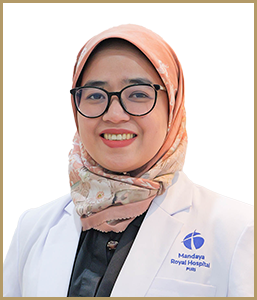
dr. Fatimah Saidah, Sp.A, Subsp. H.Onk. (K) is a pediatric hematology-oncology consultant at Mandaya Royal Hospital Puri who treats various blood disorders and childhood cancers. Her areas of expertise include anemia, thalassemia, blood cancers, and solid tumors, including brain tumors.
She is experienced in providing systemic treatments, such as chemotherapy, and performing bone marrow transplants when medically indicated. Each treatment plan is tailored to the child’s specific condition and overall health.
Some of dr. Fatimah’s areas of expertise include:
- Evaluating and managing various blood disorders in children, including anemia and thalassemia.
- Treating blood cancers through chemotherapy and bone marrow transplantation when medically indicated.
- Managing various types of childhood cancer and solid tumors, including brain tumors.
dr. Fatimah Saidah, Sp.A, Subsp. H.Onk. (K) is available for consultations at Mandaya Royal Hospital Puri on:
- Monday: 5:00 PM–7:00 PM (WIB).
- Wednesday: 5:00 PM–7:00 PM (WIB).
- Friday: 5:00 PM–7:00 PM (WIB).
Facilities for Out-of-Town and International Patients at Mandaya Royal Hospital Puri


Mandaya Royal Hospital Puri provides various supporting facilities to ensure greater comfort for patients traveling from other cities or countries:
- VIP Transportation: A pickup service from Soekarno-Hatta International Airport, train stations, or seaports to the hospital using comfortable vehicles accompanied by a Patient Experience Officer (PEO).
- Medical Ambulance Pickup: A dedicated pickup service for patients with specific medical needs from their arrival point (airport, train station, or seaport). The service is equipped with medical equipment and accompanied by professional healthcare personnel.
- Accommodation (Sleep Hub and Apartments): Comfortable accommodation for families accompanying patients. The Sleep Hub is located on the 8th floor of the Mandaya Royal Puri building, with additional apartment options available nearby.
- International Patient Relations: Dedicated assistance for international patients, including medical coordination, interpreter services, and administrative support. For further information and assistance, please contact International Patient Relations at 021 5092 8888 or email [email protected].
To make your visit to Mandaya Royal Hospital Puri more convenient, you can use the WhatsApp Chat feature, Book Appointment service, or the Care Dokter application, which is available for download on Google Play and the App Store. These services allow you to arrange appointments, check queue numbers, and access other important information.
The information provided on this page is intended for educational purposes and general guidance. It does not represent the full range of medical services that each doctor may provide. To determine the most appropriate treatment for your health condition, we recommend consulting the relevant doctor directly.
If you have any questions, suggestions, or require further information, please contact our call center at 0811-1900-2000.

References
- Verywell Health. Bruising: Symptoms of Common Childhood Illnesses. (https://www.verywellhealth.com/bruising-symptoms-of-common-childhood-illnesses-2634329). Accessed on October 30, 2026.