


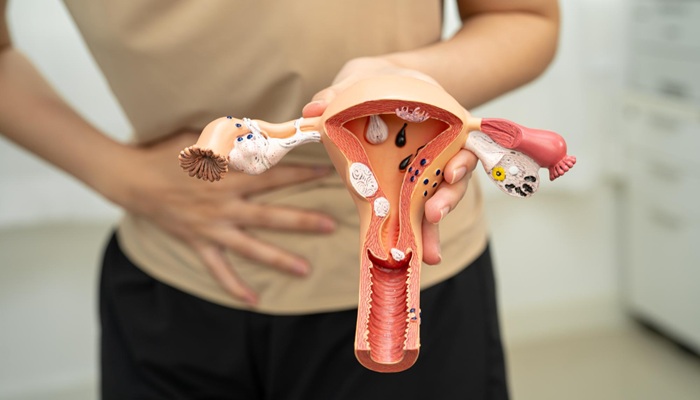
Uterine fibroids are noncancerous growths that develop in or around the uterus. They are relatively common in women and do not always require medical treatment if they do not cause symptoms.
Fibroids are more common in women who have not yet reached menopause. However, any woman may develop this condition. If fibroids cause symptoms such as heavy menstrual bleeding, pelvic pain, or pressure on surrounding organs, a doctor may recommend treatment based on the patient’s condition.
One treatment option is uterine fibroid surgery, or myomectomy, which is a procedure to remove fibroids without removing the uterus. Several surgical approaches are available, including hysteroscopy, laparoscopy, and laparotomy. The choice of procedure depends on the size, number, and location of the fibroids, as well as the patient’s overall health.

Contents
Understanding Uterine Fibroid Surgery and Its Types
The type of uterine fibroid surgery is determined by several factors, including the size, number, and location of the fibroids within the uterus, as well as the patient’s future pregnancy plans. Some procedures allow the uterus to be preserved, making them potential options for women who wish to have children in the future.
One procedure that may be performed is myomectomy, which removes fibroids without removing the uterus. There are several approaches to this procedure, depending on the characteristics of the fibroids and the patient’s needs, including:
1. Hysteroscopy
This procedure involves inserting a thin, flexible instrument equipped with a camera through the vagina and into the uterus. The doctor then uses specialized instruments to remove the fibroids. This method is generally used to treat fibroids that protrude into the uterine cavity.
2. Laparoscopy
In this approach, the doctor makes several small incisions in the abdomen to insert a camera and surgical instruments. The camera displays the inside of the abdomen on a screen, while the instruments are used to remove the fibroids. Compared with open surgery, laparoscopy involves smaller incisions.
3. Laparotomy
Unlike laparoscopy, this procedure involves making one larger abdominal incision so the doctor can directly access and remove the fibroids. This approach may be considered for large or numerous fibroids, or in certain circumstances that require open surgery.
Each method has its own advantages and considerations. Therefore, an obstetrician-gynecologist will evaluate the fibroids, the patient’s health, and future pregnancy plans before determining the most appropriate surgical approach.
When Is Uterine Fibroid Surgery Necessary?
Not all uterine fibroids require surgery. If the fibroids are small and do not cause symptoms, the doctor may recommend regular monitoring. However, surgery may be considered if the fibroids begin to cause symptoms or affect the patient’s health and daily activities.
Several conditions that may warrant consideration of uterine fibroid surgery include:
- Heavy or prolonged menstrual bleeding. Fibroids can cause excessive menstrual bleeding that interferes with daily activities and increases the risk of iron-deficiency anemia.
- Persistent pelvic pain. Fibroids that cause pain or pressure in the pelvic area may require further treatment, especially if the symptoms recur.
- Large or growing fibroids. The size and growth of fibroids are among the factors doctors consider when determining whether treatment is necessary. However, there is no single fibroid size that automatically makes surgery necessary.
- Bladder or bowel problems. Fibroids that press on surrounding organs may cause frequent urination, difficulty emptying the bladder, or constipation.
- Fertility problems or certain pregnancy complications. Fibroids that affect the shape of the uterine cavity may be associated with difficulty becoming pregnant or pregnancy complications. The doctor will assess whether treatment is necessary.
- Previous treatment has not helped. If medication does not adequately control bleeding or pain, the doctor may consider surgery or other treatment options.
The choice of surgery should also take into account the number and location of the fibroids, the patient’s age and overall health, and future pregnancy plans. For women who wish to preserve their uterus, myomectomy may be one option to discuss with an obstetrician-gynecologist.
Factors That Determine the Appropriate Treatment for Uterine Fibroids
Most fibroids stop growing and may even shrink as women approach menopause. Therefore, doctors may recommend regular monitoring if the fibroids do not cause significant symptoms. However, if fibroids cause symptoms or pose a risk of health complications, further treatment, including surgery, may be necessary.
Several factors help doctors determine the most appropriate treatment for uterine fibroids, including:
- Symptom severity: Symptoms such as heavy menstrual bleeding, pelvic pain, or pressure on surrounding organs may influence treatment decisions.
- Patient’s age: Age is an important consideration because fibroids may shrink as women approach menopause.
- Pregnancy plans: The desire to have children in the future may influence treatment choices, particularly when preserving the uterus is a priority.
- Number and size of fibroids: Large or numerous fibroids may require a different treatment approach.
- Previous fibroid treatment: The doctor will consider whether the patient has previously undergone medication-based treatment or fibroid surgery.
- Other health conditions: Other diseases or medical conditions may also influence the most appropriate treatment option.
Robotic Uterine Fibroid Surgery at Mandaya Royal Hospital Puri Using Da Vinci Xi
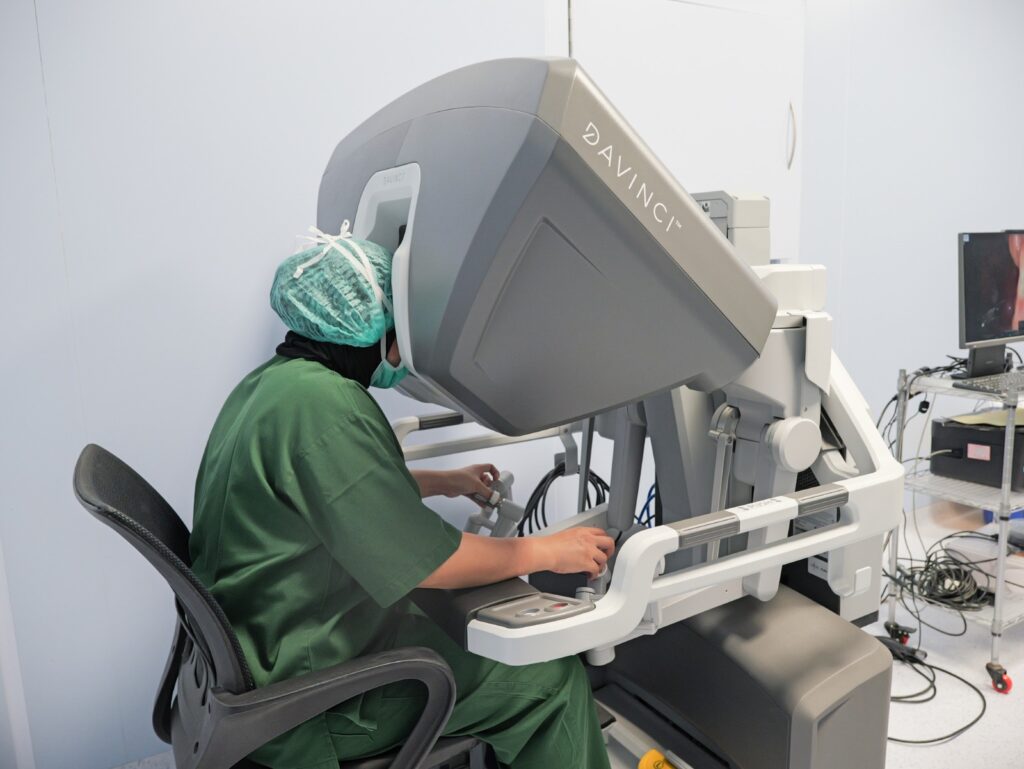
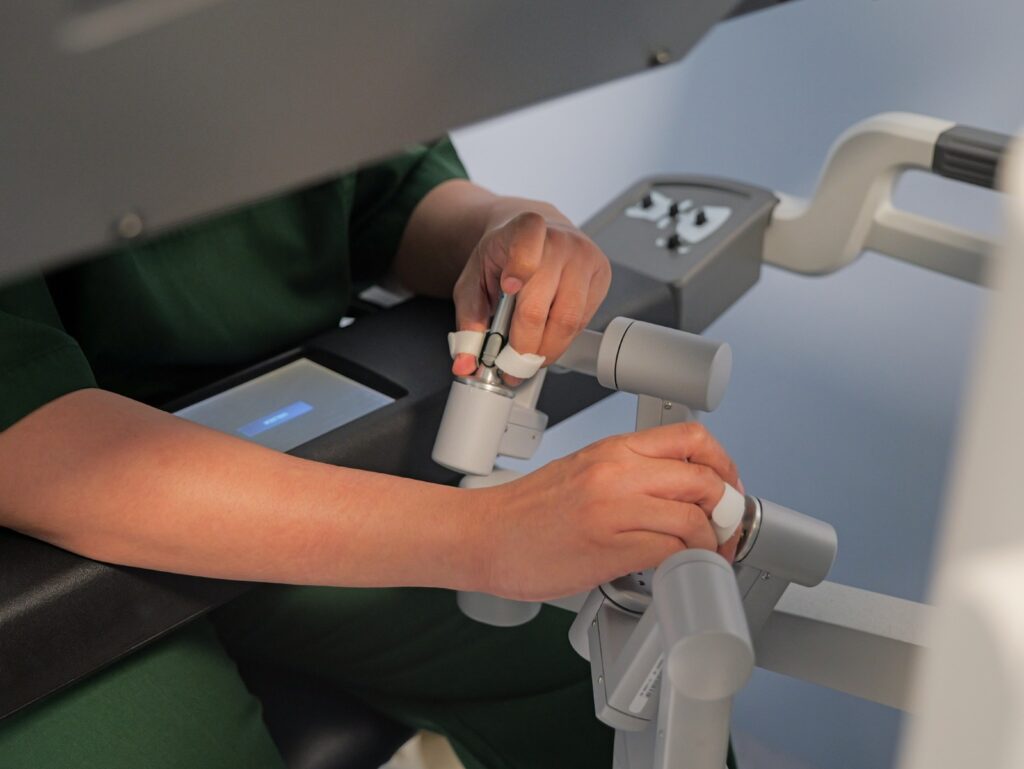
Robotic myomectomy is a minimally invasive surgical procedure to remove uterine fibroids through several small abdominal incisions. At Mandaya Royal Hospital Puri, this procedure uses the Da Vinci Xi robotic surgical system, which is directly controlled by the surgeon to help perform precise instrument movements. The operation is performed under general anesthesia, meaning the patient is asleep throughout the procedure.
In general, robotic myomectomy using Da Vinci Xi involves the following steps:
- Making small abdominal incisions. The doctor makes several small incisions to provide access for the camera and surgical instruments.
- Viewing the uterus through a camera. The camera attached to the robotic system displays the surgical area on a screen, allowing the doctor to see the fibroids and surrounding tissues more clearly.
- Controlling instruments through a robotic console. The doctor operates the surgical instruments using the Da Vinci Xi console. The system translates the surgeon’s hand movements into controlled instrument movements.
- Removing the fibroids from the uterus. With the assistance of robotic instruments, the doctor separates and removes the fibroids according to their location and characteristics while preserving the uterus.
- Closing the surgical incisions. Once the fibroids have been removed, the instruments are withdrawn and the incisions are closed.
What Are the Advantages of Robotic Myomectomy Using Da Vinci Xi?
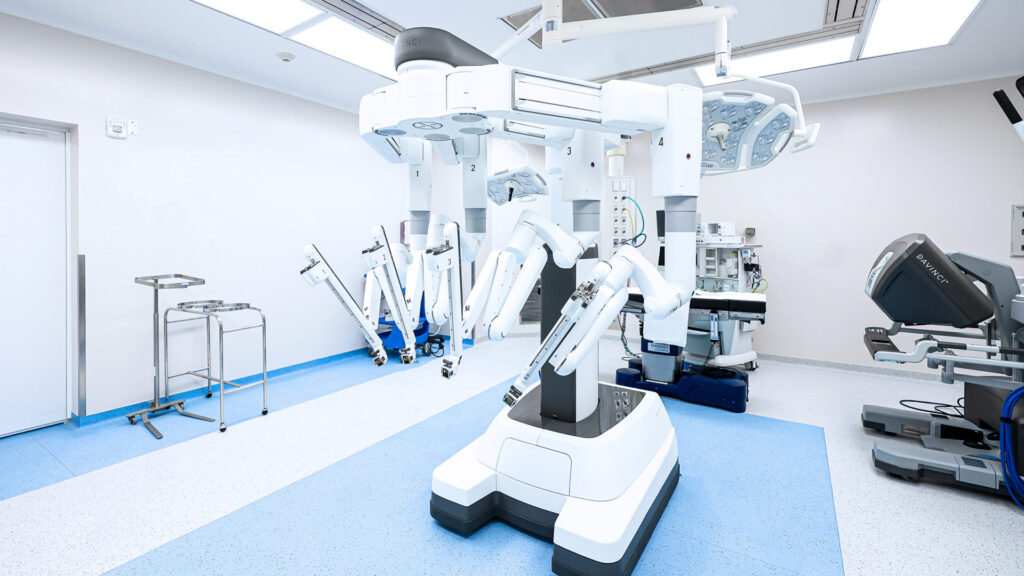
The Da Vinci Xi robotic surgical system may offer several potential benefits for eligible patients undergoing myomectomy. These include:
- Smaller incisions compared with conventional open surgery, as the procedure is performed through several small incisions.
- Enhanced visualization of the surgical area through an advanced camera system, helping the doctor see the tissues surrounding the fibroids.
- Precise instrument control, which helps the doctor perform controlled surgical movements when removing fibroids.
- Potentially faster recovery and shorter hospital stays compared with open surgery in certain patients.
However, the benefits of robotic surgery may vary from patient to patient. The choice of surgical approach still depends on the size, number, and location of the fibroids, the patient’s overall health, and the assessment of the obstetrician-gynecologist. A consultation is necessary to determine whether robotic myomectomy using Da Vinci Xi is an appropriate option.
Facilities for Patients Traveling from Other Cities and International Patients at Mandaya Royal Hospital Puri


Mandaya Royal Hospital Puri provides various support facilities to offer additional comfort for patients traveling from other cities or abroad:
- VIP Transportation: A pickup service from Soekarno-Hatta International Airport, train stations, or seaports to the hospital in a comfortable vehicle, accompanied by a Patient Experience Officer (PEO).
- Medical Ambulance Pickup: A specialized pickup service for patients with specific medical needs from arrival points, including airports, train stations, and seaports. The service is equipped with medical equipment and supported by professional healthcare personnel.
- Accommodation (Sleep Hub and Apartments): Comfortable accommodation for families accompanying patients. The Sleep Hub is located on the 8th floor of the Mandaya Royal Puri building, with additional apartment options nearby.
- International Patient Relations: Dedicated assistance for international patients, including medical coordination, interpretation services, and administrative support. For information and assistance, contact International Patient Relations at 021 5092 8888 or email [email protected].
To make your visit to Mandaya Royal Hospital Puri more convenient, use the WhatsApp chat feature, Book Appointment service, or the Care Dokter app, available for download on Google Play and the App Store. These options help you arrange visits, check queue numbers, and access other relevant information.
The information provided on this page is intended for educational purposes and offers a general overview. It does not represent the full range of medical services that each doctor may provide. To determine the most appropriate treatment for your health condition, we recommend consulting the relevant doctor directly.
If you have questions, suggestions, or need further information, please contact our call center at 0811-1900-2000.

References
- NHS. Fibroids. (https://www.nhs.uk/conditions/fibroids/). Accessed October 29, 2026.
- Cleveland Clinic. Uterine Fibroids. (https://my.clevelandclinic.org/health/diseases/9130-uterine-fibroids). Accessed October 29, 2026.
- UCLA Health. What Are Fibroids? (https://www.uclahealth.org/medical-services/fibroids/what-are-fibroids). Accessed October 29, 2026.
- Johns Hopkins Medicine. Robotic-Assisted Myomectomy. (https://www.hopkinsmedicine.org/health/treatment-tests-and-therapies/roboticassisted-myomectomy). Accessed October 29, 2026.