


Uterine fibroids are growths made up of muscle and other tissue that develop in or on the wall of the uterus. They are relatively common and are usually noncancerous. However, fibroids can cause various symptoms that interfere with daily activities.
Symptoms may vary, ranging from pelvic pain to heavy or irregular menstrual bleeding. Treatment depends on the size, number, and location of the fibroids, the symptoms experienced, and the patient’s overall health.
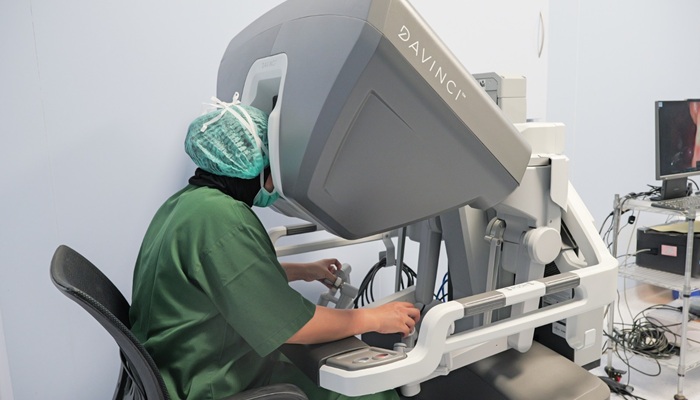
For women who need fibroid surgery but wish to preserve their uterus, myomectomy may be one treatment option. At Mandaya Royal Hospital Puri, this procedure can be performed with the assistance of the Da Vinci Xi robotic surgical system, which is directly controlled by the surgeon to facilitate minimally invasive surgery, depending on the patient’s condition.

Contents
What Is Robotic Myomectomy and How Is the Procedure Performed?
Robotic myomectomy is a surgical procedure to remove uterine fibroids using a minimally invasive approach, which involves smaller incisions than conventional open surgery. The procedure is performed under general anesthesia, meaning the patient is asleep throughout the operation.
In general, robotic myomectomy involves the following steps:
- Making small incisions. The surgeon makes several small incisions in the lower abdomen to allow access for surgical instruments and a small camera.
- Visualizing the surgical area. The camera displays the surgical area on a screen, allowing the surgeon to see the uterus and fibroids more clearly.
- Controlling robotic instruments. The surgeon operates the surgical instruments through a robotic console. The system helps the surgeon perform precise instrument movements during the procedure.
- Removing the fibroids. The surgeon uses surgical instruments to separate and remove the fibroids from the uterus while preserving the uterus.
- Closing the incisions. After the fibroids have been removed, the instruments are withdrawn, and the incisions are closed and dressed.
What Are the Advantages of Robotic Myomectomy Compared with Conventional Myomectomy?
Compared with certain other surgical techniques, robotic myomectomy may offer several potential benefits, including:
- Smaller incisions compared with conventional open surgery.
- Potentially faster recovery and shorter hospital stays for certain patients.
- Greater precision during surgery through enhanced visualization and robotic instrument control.
- An option for certain fibroids that may be difficult to treat using other surgical approaches.
When Do Doctors Recommend Robotic Myomectomy for Fibroid Removal?
Robotic myomectomy may be an option for women with uterine fibroids that cause significant symptoms and interfere with daily activities. Symptoms that may be considered when evaluating the need for this procedure include:
- Heavy and prolonged menstrual bleeding, in which bleeding lasts longer or is heavier than usual.
- Pelvic pain, or discomfort in the pelvic area caused by fibroids.
- Abdominal bloating or a feeling of fullness, particularly when the fibroids are large.
- Fertility problems, when fibroids are suspected of affecting the ability to become pregnant.
- Pregnancy complications, when fibroids are associated with certain complications during pregnancy.
- Frequent urination, caused by pressure from the fibroids on the bladder.
- Constipation, when fibroids press against the intestines or rectum.
However, not all fibroids require surgery. If symptoms are mild or absent, doctors may recommend regular monitoring, pain relief medication, or hormone therapy, depending on the patient’s condition.
One important consideration when choosing myomectomy is the desire to preserve the uterus. Unlike hysterectomy, which involves removing the uterus, myomectomy aims to remove fibroids while preserving the uterus. Therefore, this procedure may be considered by women who wish to have children in the future. However, successful pregnancy after surgery cannot be guaranteed and should be discussed with a doctor.
Complications of Uterine Fibroids to Watch Out For
Uterine fibroids do not always cause complications. However, in certain cases, particularly when they cause excessive bleeding or are relatively large, fibroids may lead to several health problems, such as:
- Iron-deficiency anemia. Heavy or prolonged menstrual bleeding can cause the body to lose significant amounts of iron, affecting hemoglobin production and potentially leading to anemia.
- Urinary tract problems. Large fibroids may press against the bladder, causing frequent urination, difficulty emptying the bladder, or urinary incontinence (difficulty controlling urination). This pressure may also increase the risk of certain urinary tract problems.
- Fertility and pregnancy complications. In some cases, fibroids may affect a woman’s ability to become pregnant or increase the risk of miscarriage. However, these complications are relatively uncommon and depend on the size and location of the fibroids.
If fibroids begin to cause symptoms or interfere with daily activities, consult an obstetrician-gynecologist to determine the most appropriate treatment.
Facilities for Patients Traveling from Other Cities and International Patients at Mandaya Royal Hospital Puri


Mandaya Royal Hospital Puri provides various support facilities to offer additional comfort for patients traveling from other cities or abroad:
- VIP Transportation: A pickup service from Soekarno-Hatta International Airport, train stations, or seaports to the hospital in a comfortable vehicle, accompanied by a Patient Experience Officer (PEO).
- Medical Ambulance Pickup: A specialized pickup service for patients with specific medical needs from arrival points, including airports, train stations, and seaports. The service is equipped with medical equipment and supported by professional healthcare personnel.
- Accommodation (Sleep Hub and Apartments): Comfortable accommodation for families accompanying patients. The Sleep Hub is located on the 8th floor of the Mandaya Royal Puri building, with additional apartment options nearby.
- International Patient Relations: Dedicated assistance for international patients, including medical coordination, interpretation services, and administrative support. For information and assistance, contact International Patient Relations at 021 5092 8888 or email [email protected].
To make your visit to Mandaya Royal Hospital Puri more convenient, use the WhatsApp chat feature, Book Appointment service, or the Care Dokter app, available for download on Google Play and the App Store. These options help you arrange visits, check queue numbers, and access other relevant information.
The information provided on this page is intended for educational purposes and offers a general overview. It does not represent the full range of medical services that each doctor may provide. To determine the most appropriate treatment for your health condition, we recommend consulting the relevant doctor directly.
If you have questions, suggestions, or need further information, please contact our call center at 0811-1900-2000.

References:
- Cleveland Clinic. Uterine Fibroids. (https://my.clevelandclinic.org/health/diseases/9130-uterine-fibroids). Accessed October 29, 2026.
- Johns Hopkins Medicine. Robotic-Assisted Myomectomy. (https://www.hopkinsmedicine.org/health/treatment-tests-and-therapies/roboticassisted-myomectomy). Accessed October 29, 2026.
- NHS. Fibroids. (https://www.nhs.uk/conditions/fibroids/). Accessed October 29, 2026.