


Coronary artery bypass grafting (CABG), commonly known as heart bypass surgery, is a surgical procedure to help restore blood flow to the heart muscle. It is needed when the coronary arteries, which supply blood to the heart, become blocked, preventing the heart from receiving enough blood. If blood flow remains reduced, the heart muscle may become damaged.
During bypass surgery, the doctor creates a new route for blood to flow around the blocked section of the artery. To do this, a blood vessel is taken from another part of the body, such as the leg, arm, or chest, and used to create an alternative pathway that supplies blood to the heart muscle. This helps blood reach the areas of the heart that need a better blood supply.

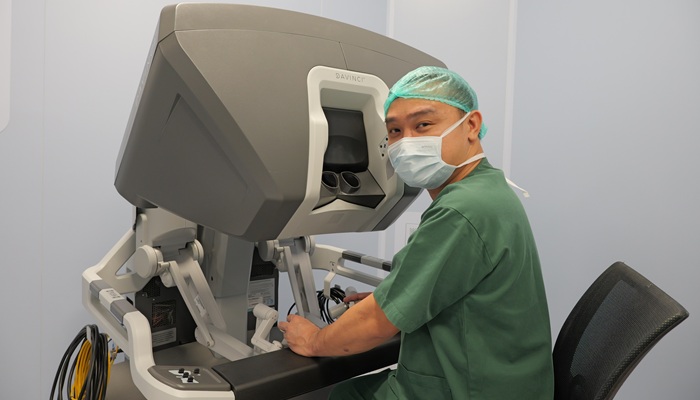
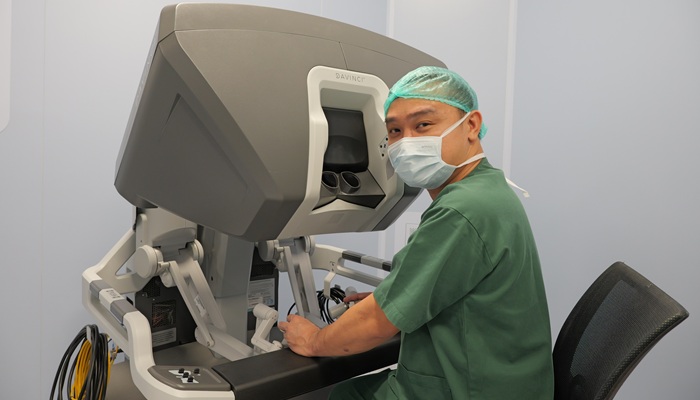
With advances in medical technology, heart bypass surgery can now be performed using minimally invasive cardiac surgery (MICS) techniques assisted by the Da Vinci Xi robotic system. Mandaya Royal Puri Hospital has performed several bypass procedures using this approach with dr. Wirya Ayu Graha, Sp. BTKV, Subsp. JD (K). So, what are the key facts behind robotic MICS heart bypass surgery, and how does this technology assist doctors during the procedure?

Contents
Understanding MICS Heart Bypass Surgery with the Da Vinci Xi Robotic System
Unlike conventional heart bypass surgery, which requires the breastbone to be opened, MICS heart bypass surgery is performed through small incisions between the ribs or beneath the left side of the chest. Using specialized techniques and instruments, the doctor can create a new pathway for blood flow without splitting the breastbone.
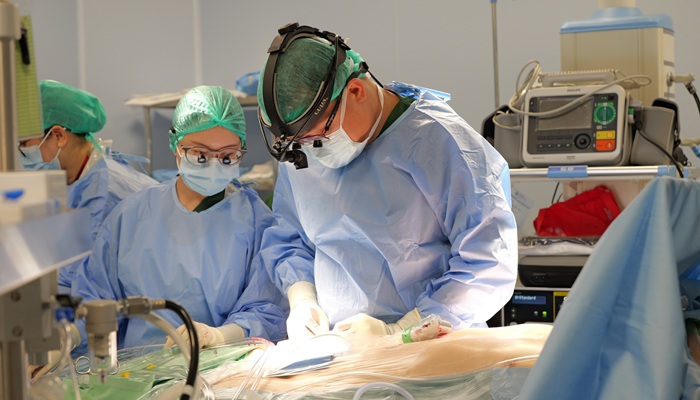
In this procedure, robotic technology helps the doctor perform surgery through smaller access points. In robot-assisted bypass surgery, incision size can be an important factor in reducing surgical trauma.
Robotic-assisted MICS heart bypass surgery offers several potential advantages, including smaller incisions, no need to split the breastbone, and support for precision during surgery. This approach can also help the doctor preserve the quality of the blood vessels used for the bypass and may reduce bleeding and postoperative pain, supporting the patient’s recovery.
Facts Behind Robotic Da Vinci Xi MICS Heart Bypass Surgery at Mandaya Royal Puri Hospital
Here are five key facts about robotic-assisted MICS heart bypass surgery at Mandaya Royal Puri Hospital.
1. The Breastbone Does Not Need to Be Split
Unlike conventional heart bypass surgery, which generally requires the breastbone to be split, MICS is performed through small incisions between the ribs. The doctor uses specialized surgical instruments and camera guidance to view the heart during the procedure. This approach allows the surgery to be performed without opening the breastbone.
2. The Heart May Continue Beating During Surgery
In many cases, MICS heart bypass surgery can be performed while the heart continues to beat. This approach may allow the procedure to be carried out without a heart-lung machine, which temporarily takes over the functions of the heart and lungs during surgery. However, whether this technique is suitable depends on the patient’s condition and the surgical approach used.
3. Patient Comfort and Recovery Are Key Considerations
The MICS approach is designed to reduce physical trauma from surgery through smaller incisions. Compared with conventional open surgery, this technique may reduce postoperative pain and scarring, as well as lower the risk of bleeding and infection.
Patients may also be able to spend less time in the hospital, with better early lung function recovery. Some patients may return to their daily activities within approximately 2–4 weeks, while hospital stays may range from 3–4 days. These timelines depend on each patient’s condition and recovery progress.
4. The Procedure Can Be Assisted by the Da Vinci Xi Robotic System
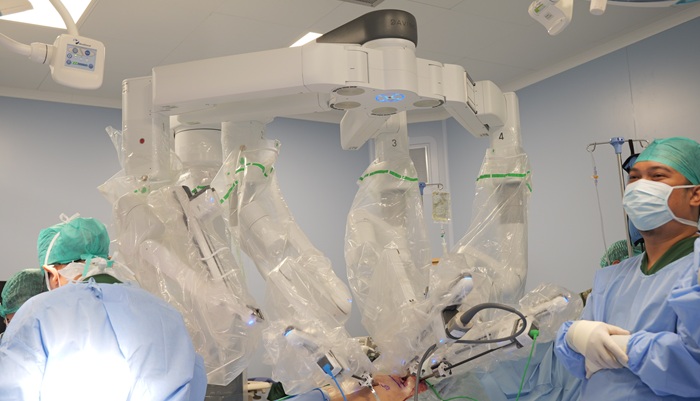
The Da Vinci Xi robotic system helps doctors perform surgery through small incisions, providing detailed visualization of the surgical area and precise instrument control. During heart bypass surgery, this assistance supports the doctor in performing surgical steps within the limited working space of the chest. The doctor also aims to preserve the quality of blood vessels in the chest wall that are used to create the bypass, while minimizing the risk of injury during their harvesting and use.
5. The Procedure Is Performed by dr. Wirya, Who Has Experience with Hundreds of MICS Heart Bypass Cases Each Year
Robotic-assisted MICS heart bypass surgery using the Da Vinci Xi system at Mandaya Royal Puri Hospital is performed by dr. Wirya, who has experience handling more than 200 small-incision heart bypass cases each year. This experience is an important consideration for a procedure that requires a high level of skill and precision.
dr. Wirya is also recognized as a pioneer of robotic-assisted MICS heart bypass surgery using the Da Vinci Xi system in Indonesia. Through procedures performed at Mandaya Royal Puri Hospital, eligible patients can access minimally invasive cardiac surgery supported by robotic technology.
Please note that the benefits and outcomes of MICS heart bypass surgery may vary from patient to patient. The choice of surgical technique, use of a heart-lung machine, and estimated recovery time are determined based on the patient’s condition and the assessment of a thoracic, cardiac, and vascular surgeon.
Profile of dr. Wirya, a Specialist in MICS Heart Bypass Surgery with the Da Vinci Xi Robotic System at Mandaya Royal Puri Hospital
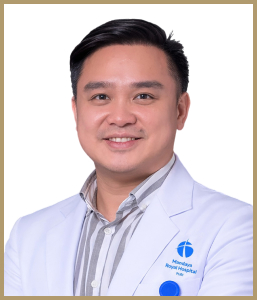
dr. Wirya Ayu Graha, Sp. BTKV, Subsp. JD (K), is a thoracic, cardiac, and vascular surgeon with a subspecialty in adult cardiac surgery. His practice focuses on minimally invasive cardiac surgery (MICS), including heart bypass procedures performed through small incisions without the need to split the breastbone.
dr. Wirya’s experience in performing various cardiac surgical procedures is reflected in the number of operations he performs:
- More than 600 heart surgeries per year
- More than 300 small-incision heart surgeries per year
- More than 200 small-incision heart bypass surgeries per year
- More than 100 small-incision heart valve surgeries
dr. Wirya is also recognized as one of the pioneers in applying Da Vinci Xi robotic technology for heart bypass surgery in Indonesia. This technology supports MICS procedures through smaller incisions, with detailed visualization of the surgical area and precise instrument control.
To perform these procedures, dr. Wirya holds a license to use the Da Vinci Xi robotic system for heart bypass surgery. His clinical experience, expertise in minimally invasive cardiac surgery, and use of robotic technology enable him to perform these procedures in patients who meet the medical indications.
dr. Wirya’s Practice Schedule at Mandaya Royal Puri Hospital
dr. Wirya Ayu Graha, Sp. BTKV, Subsp. JD (K), is available at Mandaya Royal Puri Hospital on the following schedule:
- Tuesday: 4:30–8:00 PM WIB
- Thursday: 4:30–8:00 PM WIB
- Saturday: 10:00 AM–1:00 PM WIB
Facilities for Patients Traveling from Other Cities and International Patients at Mandaya Royal Puri Hospital

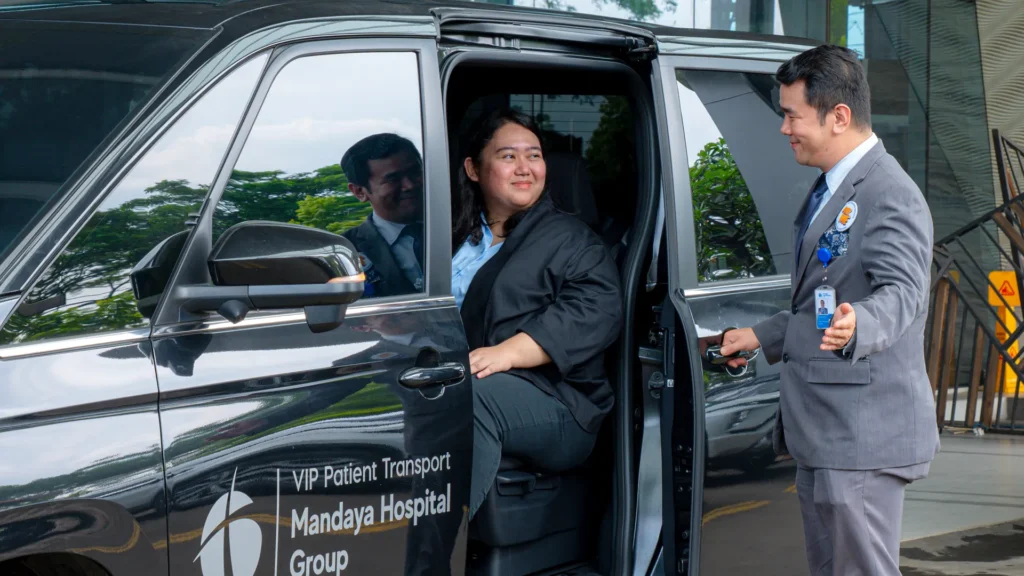
Mandaya Royal Hospital Puri provides a range of facilities to offer additional comfort for patients traveling from other cities or abroad.
- VIP Transport: Pick-up services from Soekarno-Hatta International Airport, train stations, or seaports to the hospital in comfortable vehicles, accompanied by a Patient Experience Officer (PEO).
- Medical Ambulance Pick-Up: Dedicated pick-up services for patients with specific medical needs from arrival points, including airports, train stations, and seaports. These services are equipped with medical equipment and supported by professional healthcare personnel.
- Accommodation (Sleep Hub and Apartments): Comfortable accommodation for family members accompanying patients. The Sleep Hub is located on the 8th floor of the Mandaya Royal Puri building, with nearby apartments also available.
- International Patient Relation: Dedicated assistance for international patients, including medical coordination, interpretation, and administrative support. For information and assistance, contact International Patient Relation at 021 5092 8888 or email [email protected].
To make your visit to Mandaya Royal Hospital Puri easier, use the WhatsApp chat feature, Book Appointment service, or the Care Dokter application, available for download on Google Play and the App Store. These options can help you manage appointments, check queue numbers, and access other relevant information.
The information on this page is provided for educational purposes and as a general overview. It does not cover every type of medical service that each doctor may perform. To determine the most appropriate treatment for your health condition, you are advised to consult the relevant doctor directly.
If you have any questions, suggestions, or need further information, please contact our call center at 0811-1900-2000.

References:
- Cleveland Clinic. Coronary Artery Bypass Surgery. (https://my.clevelandclinic.org/health/treatments/16897-coronary-artery-bypass-surgery). Accessed October 26, 2026.
- Bangkok Hospital. MICS CABG. (https://www.bangkokhospital.com/en/bangkok-heart/content/mics-cabg). Accessed October 26, 2026.
- Mount Elizabeth. Minimally Invasive Cardiac Surgery. (https://www.mountelizabeth.com.sg/tests-treatments/minimally-invasive-cardiac-surgery). Accessed October 26, 2026.
- Gleneagles Hospitals. Minimally Invasive CABG: A Safer Alternative? What the Latest Data Tells Us. (https://www.gleneagleshospitals.co.in/blogs/cardiology/minimally-invasive-cabg-a-safer-alternative-what-the-latest-data-tells-us). Accessed October 26, 2026.