


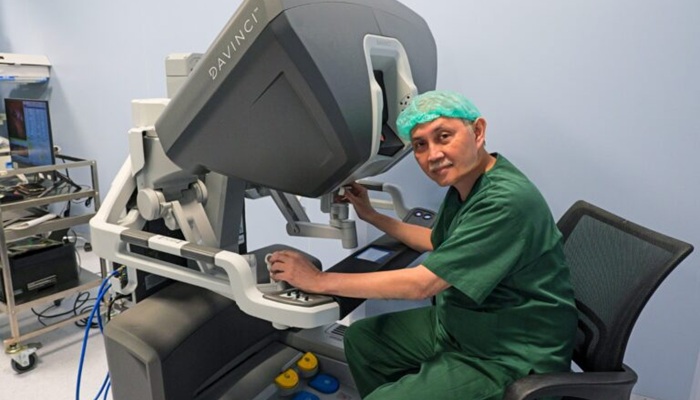
Robotic surgery is one of the medical technology advancements increasingly used to assist with various surgical procedures, ranging from the Da Vinci Xi robot for heart surgery to CORI for knee replacement surgery. The use of robotic systems in the operating room often attracts attention because it involves advanced technology that differs from conventional surgical methods.
However, despite these advancements, some people believe that robotic surgery is performed entirely by robots or that doctors are no longer needed. This perception can lead to misunderstandings about how robotic technology is actually used in surgical procedures.

Contents
Does Robotic Surgery Replace the Doctor’s Role in Surgical Procedures?
Robotic surgery allows doctors to perform various complex surgical procedures with greater precision, flexibility, and control compared with conventional surgical methods. These procedures are often performed through small incisions, although robotic technology can also be used in open surgery under certain circumstances.
Robotic surgery, also known as robot-assisted surgery, is a surgical procedure that uses a robotic system to assist doctors. The system generally consists of a camera arm and mechanical arms equipped with surgical instruments. The surgeon controls these arms through a control center called a console, which is located near the operating table.
Through the console, the surgeon can view the surgical area in high-resolution, magnified three-dimensional (3D) images. Throughout the procedure, the surgeon remains in charge of the operation and directs other members of the medical team involved in the procedure.
Therefore, robotic surgery does not replace the doctor’s role in surgical procedures. Instead, the robotic system serves as an assistive tool that allows doctors to perform procedures with greater precision, flexibility, and control. Doctors continue to control the robotic arms, guide the surgical instruments, and make medical decisions throughout the operation. Robots do not perform surgery independently; they operate under the surgeon’s control.
What Is the Purpose of Robotic Surgery?
Robotic surgery aims to help doctors perform surgical procedures with greater precision, flexibility, and control. The technology also provides clearer visualization of the surgical area than conventional surgical methods, which can help doctors manage complex procedures that may be difficult to perform using other techniques.
Robotic surgery is often performed through small incisions in the skin and body tissues, an approach known as minimally invasive surgery. This approach offers several potential benefits, including:
- Reducing the risk of certain complications, such as surgical-site infections.
- Reducing pain and blood loss during or after the procedure.
- Shortening hospital stays and supporting faster recovery.
- Producing smaller, less noticeable scars.
However, these benefits can vary from patient to patient depending on the type of procedure, overall health, and other factors. Robotic surgery is also not always performed through small incisions, as the technology can be used for open surgery when medically necessary.
What Are the Advantages of Robotic Surgery?
Compared with conventional open surgery, robotic surgery offers several potential benefits for patients, including:
- Reducing pain during recovery.
- Lowering the risk of surgical-site infections.
- Reducing blood loss during the procedure.
- Shortening hospital stays.
- Producing smaller scars.
In addition to offering potential benefits for patients, robotic systems help doctors perform surgical procedures with greater control. Some of their advantages include:
- A wider range of instrument movement. Robotic arms can rotate surgical instruments and maneuver within confined spaces that may be difficult for human hands to reach directly.
- Clearer visualization of the surgical area. Advanced cameras in robotic systems provide magnified, high-resolution views of the surgical area.
- The ability to perform procedures through small incisions. Small surgical instruments allow doctors to operate inside the body through minimal incisions, depending on the type of procedure.
Robotic Surgery at Mandaya Royal Puri Hospital, From Da Vinci Xi to CORI
The following are some of the robotic surgical technologies available at Mandaya Royal Puri Hospital.
1. Da Vinci Xi for Various Surgical Procedures
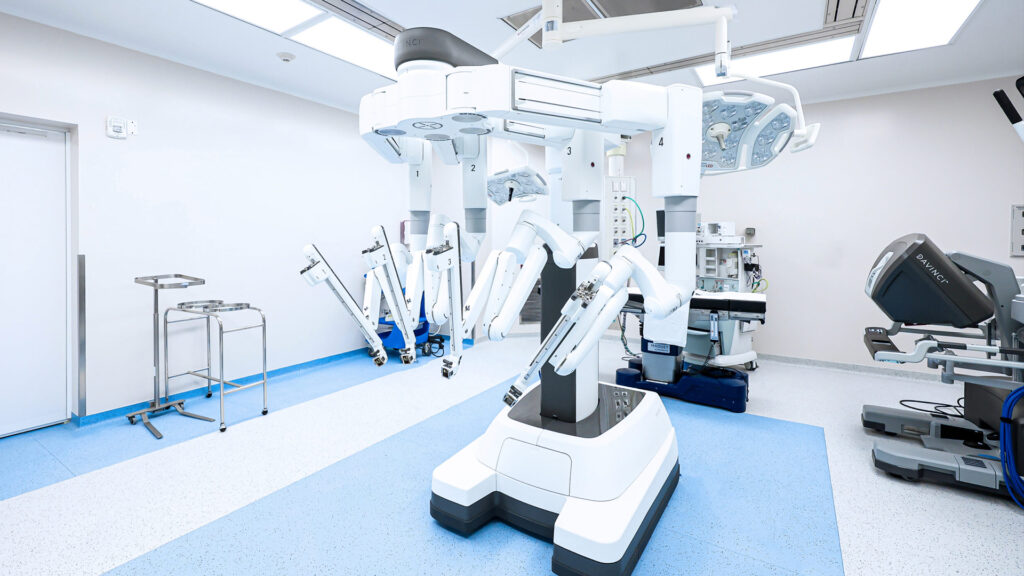
Da Vinci Xi is a robotic surgical system that helps doctors perform various surgical procedures with precision and control. The system has four instrument arms that are directly controlled by the surgeon through a console. With high-resolution 3D visualization, doctors can see organ structures and the surgical area more clearly during the procedure.
Each robotic arm is equipped with flexible instruments that can move similarly to a human wrist, but on a smaller scale. This capability allows doctors to maneuver more freely, including when treating areas of the body that are narrow or difficult to reach using conventional surgical techniques. All instrument movements remain under the surgeon’s control through the console.
At Mandaya Royal Puri Hospital, Da Vinci Xi is used to support various surgical procedures, not limited to kidney tumor removal or urological surgery. The technology can also assist with procedures in several medical specialties, including:
- Gynecological surgery, including hysterectomy, or surgical removal of the uterus.
- Hepatobiliary and pancreatic surgery, for conditions involving the liver, bile ducts, and pancreas.
- Urological surgery, for various conditions affecting the urinary tract and male reproductive organs, including kidney transplantation.
- Colorectal surgery, involving the colon and rectum.
- Minimally invasive cardiac surgery (MICS) for heart bypass, a heart bypass procedure performed using a minimally invasive surgical approach.
2. Zamenix for Treating Large Kidney Stones
Zamenix is a medical robotic system designed to help doctors treat kidney stones through endoscopic procedures. The technology helps doctors reach kidney stones, break them apart, and remove stone fragments that remain relatively large. It can also be used to treat kidney stones larger than 2 cm in diameter when medically indicated.

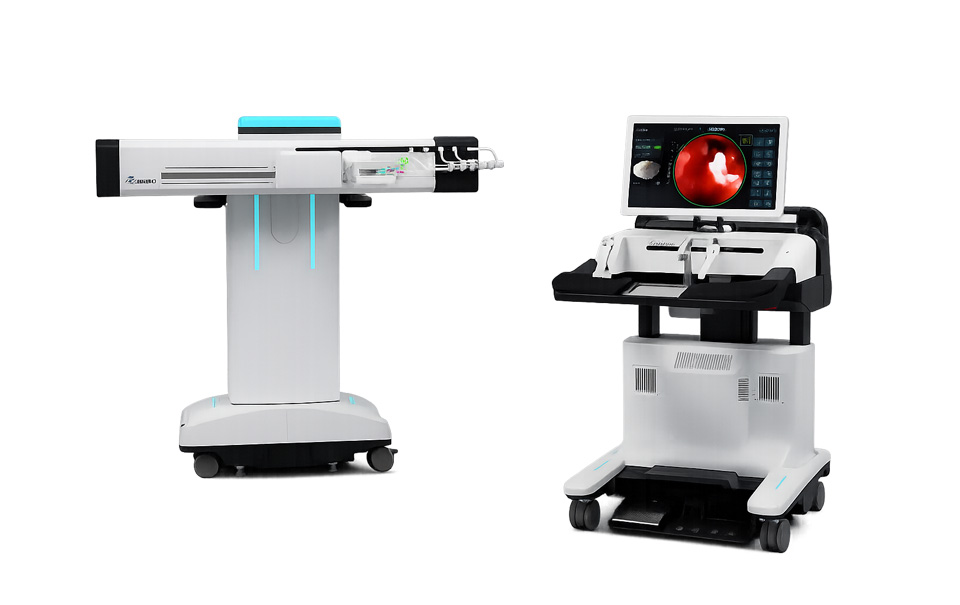
One of Zamenix’s advantages is its flexible robotic arm, which helps doctors reach areas inside the kidney, including narrow spaces. Once the instrument reaches the stone, the doctor can use a thulium laser to break it into small fragments resembling sand.
Very small fragments can pass naturally through the urine. Larger fragments can be removed using the Zamenix robotic arm, which is equipped with a gripping mechanism. With this technology, doctors can control the process of breaking up and removing stone fragments in a more targeted manner.
3. MonaLisa for More Precise Prostate Biopsies
MonaLisa is a robotic technology that helps doctors perform prostate biopsies with more precise targeting. A biopsy involves collecting prostate tissue samples for further examination, particularly when prostate cancer is suspected.
With the assistance of this system, doctors can guide the biopsy instrument toward areas of the prostate suspected of having abnormalities, using imaging guidance. More accurate targeting can help doctors collect samples from appropriate locations to support the diagnostic process. However, the results of the examination still depend on several factors, including the location of the abnormality and the quality of the tissue samples obtained.
4. CORI for More Precise Knee Replacement Surgery
The CORI Robotic Surgical System is a robotic navigation technology that helps doctors perform knee replacement surgery. The system supports both unicompartmental knee arthroplasty (UKA), which replaces part of the knee joint, and total knee replacement (TKR), which replaces the entire knee joint.
CORI uses real-time, three-dimensional mapping of the knee’s anatomy. This information helps doctors plan the operation and adjust implant positioning to match each patient’s anatomy and knee condition. The mapping process can also be performed without requiring the patient to undergo a CT scan before surgery.

The CORI system is equipped with a smart surgical saw, a specialized bone-cutting device that helps doctors make controlled cuts according to the surgical plan. This allows doctors to adjust the procedure and implant placement based on the patient’s knee anatomy.
In addition to partial and total knee replacement, CORI can also be used for revision knee surgery. This procedure involves replacing some or all of a previously implanted knee prosthesis. According to information provided in Mandaya Royal Puri Hospital’s materials, CORI has received approval from the United States Food and Drug Administration (FDA) for revision knee surgery.
5. 3D Brain Neuronavigation and Robotic Microscope Alignment for Brain Surgery
3D Brain Neuronavigation combined with robotic microscope alignment is a combination of technologies that helps doctors perform neurosurgical procedures with more precise visual guidance and navigation. At Mandaya Royal Hospital Puri, these technologies support procedures involving areas of the brain that require a high degree of precision, including tumor removal surgery.
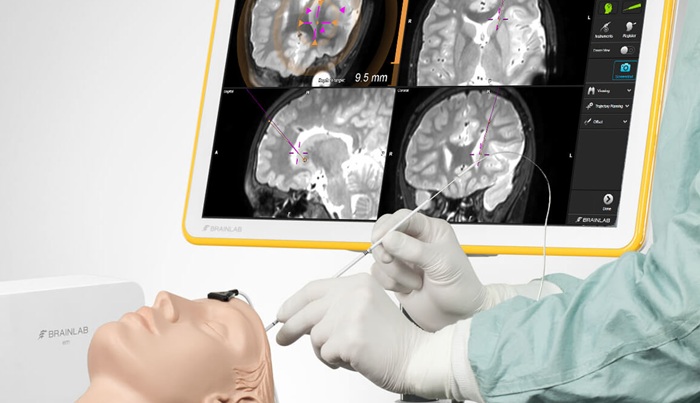
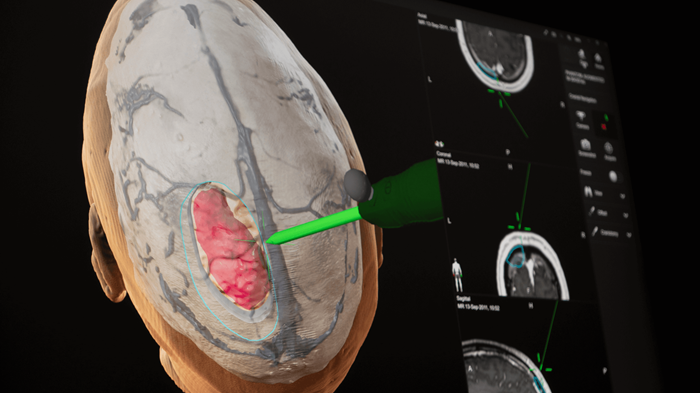
The neuronavigation system works like a GPS, helping doctors determine the location and direction of surgical intervention based on three-dimensional brain mapping. Meanwhile, a microscope with robotic alignment helps doctors obtain a more detailed view when working with difficult-to-reach brain structures.
Together, these technologies help doctors plan the surgical route and guide their actions with greater precision. During brain tumor removal, navigation and visualization can support efforts to remove tumor tissue while preserving the surrounding healthy brain tissue. However, surgical outcomes and the risk of complications still depend on the tumor’s location and characteristics, as well as the patient’s condition.
Facilities for Out-of-Town and International Patients at Mandaya Royal Puri Hospital


Mandaya Royal Hospital Puri provides various supporting facilities to offer additional comfort for patients traveling from other cities or countries.
- VIP transportation: Pick-up services from Soekarno-Hatta International Airport, train stations, or ports to the hospital in comfortable vehicles accompanied by a Patient Experience Officer (PEO).
- Medical ambulance pick-up: Specialized transportation for patients with certain medical conditions from arrival points, including airports, train stations, and ports. The service is equipped with medical equipment and accompanied by professional healthcare personnel.
- Accommodation (Sleep Hub and apartments): Comfortable accommodation for families accompanying patients. The Sleep Hub is located on the eighth floor of the Mandaya Royal Puri Hospital building, with nearby apartments also available as an option.
- International Patient Relations: Dedicated assistance for international patients with medical coordination, interpretation, and administrative arrangements. For information and assistance from International Patient Relations, call 021 5092 8888 or email [email protected].
To make your visit to Mandaya Royal Puri Hospital easier, use the WhatsApp chat feature, Book Appointment service, or the Care Dokter application, available for download on Google Play and the App Store. These services can help you arrange visits, check queue numbers, and access other relevant information.
The information on this page is provided for educational purposes and as a general overview. It does not represent the full range of medical services that each doctor may perform. To determine the most appropriate treatment for your health condition, you are advised to consult the relevant doctor directly.
If you have any questions, suggestions, or need further information, please contact our call center at 0811-1900-2000.

References
- Mayo Clinic. Robotic Surgery. (https://www.mayoclinic.org/tests-procedures/robotic-surgery/about/pac-20394974). Accessed October 24, 2026.
- Cleveland Clinic. Robotic Surgery. (https://my.clevelandclinic.org/health/treatments/22178-robotic-surgery). Accessed October 24, 2026.