


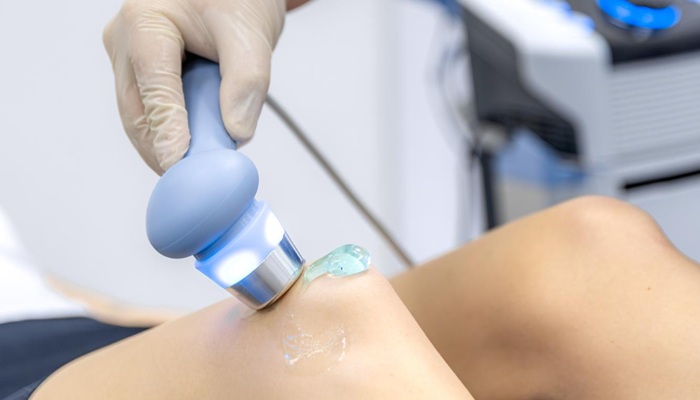
Diathermy is a treatment method used in medical rehabilitation that harnesses energy from electrical currents, radio waves, or sound waves to generate heat in body tissues beneath the skin. The term diathermy means deep heating, referring to the process of applying heat to tissues inside the body rather than focusing solely on the skin’s surface.
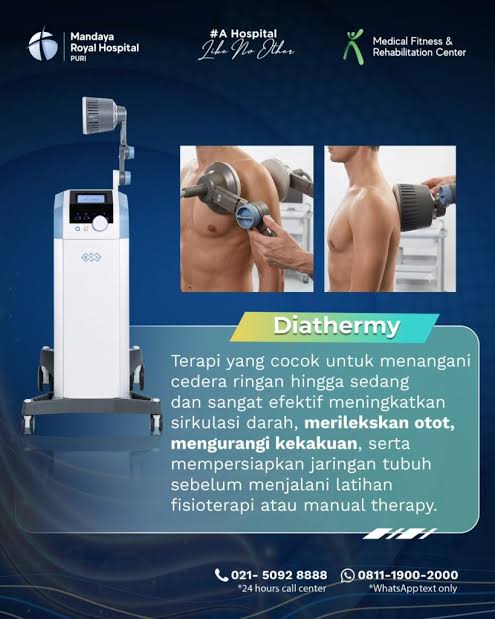
Diathermy therapy can help relax muscles and joints, reduce inflammation and swelling, and improve blood circulation. Because of these potential benefits, diathermy may be considered a treatment option for certain muscle and joint problems, depending on the patient’s condition and medical needs.

Contents
Types of Diathermy Therapy
Diathermy therapy is divided into three types based on the energy source used to generate heat in body tissues. Each type works differently:
- Radiofrequency diathermy: Also known as high-frequency or shortwave diathermy, this therapy uses high-frequency electromagnetic currents delivered to body tissues to generate heat.
- Microwave diathermy: This therapy uses microwaves, a form of electromagnetic radiation, to generate heat in body tissues.
- Ultrasound diathermy: Also known as ultrasound therapy, this method uses high-frequency sound waves to generate mild heat in body tissues.
Conditions That Can Be Treated With Diathermy
Diathermy therapy may be considered as a treatment option to help relieve pain, reduce muscle stiffness, and support recovery after certain injuries. Depending on the patient’s condition and the doctor’s examination findings, this therapy may be used to help manage several conditions, including:
- Arthritis: Inflammation of the joints that can cause pain, swelling, and limited movement.
- Chronic pain: Pain that persists for a long time and may interfere with daily activities.
- Muscle stiffness: A condition in which muscles feel stiff, making movement less comfortable.
- Muscle spasms: Involuntary muscle contractions that can cause pain.
- Fibromyalgia: A chronic condition characterized by pain in various parts of the body, often accompanied by fatigue.
- Injury recovery: Supporting rehabilitation after injuries such as sprains or muscle strains.
- Edema: Fluid buildup in body tissues that causes swelling.
The choice of diathermy therapy should be tailored to the type of symptoms, overall health, and individual needs of each patient. Consult a doctor or medical rehabilitation professional to determine whether this therapy is appropriate for your condition.
Who Can Undergo Diathermy Therapy?
Diathermy therapy may be considered for patients experiencing certain muscle and joint problems or those who need support during injury recovery. A doctor will first evaluate the patient’s condition to determine whether this therapy is appropriate for their medical needs.
Some conditions that may warrant consideration for diathermy therapy include:
- Experiencing chronic pain or pain that persists for an extended period.
- Needing help to improve blood circulation in a specific area of the body.
- Experiencing stiff or tense muscles or frequent muscle spasms.
- Having a condition that causes inflammation.
- Recovering from a sprain or muscle strain.
Who Should Not Undergo Diathermy Therapy?
Diathermy therapy is not suitable for everyone. In certain circumstances, the use of energy to generate heat may increase the risk of injury or burns. Therefore, a doctor needs to review the patient’s medical history before recommending this treatment.
Diathermy is generally not recommended, or requires special consideration, for patients with the following conditions:
- Having metal objects inside the body, such as metal sutures or pins, a pacemaker, or an intrauterine device (IUD).
- Having cancer.
- Having an infection or an open wound.
- Having a fracture.
- Having certain serious medical conditions, such as heart or kidney disease.
- Being pregnant.
- Having dental fillings.
- Having a chronic bleeding disorder.
This list should be understood as a general guide, as restrictions on diathermy may vary depending on the type of therapy and the patient’s condition. Therefore, inform your doctor about your medical history, pregnancy status, and the presence of implants or medical devices in your body before undergoing the procedure. Your doctor will determine whether diathermy is safe or whether another rehabilitation method would be more appropriate.
How Is Diathermy Therapy Performed?
Diathermy therapy is performed using specialized equipment that delivers high-frequency electrical energy to the part of the body requiring treatment. The procedure depends on the type of diathermy being used: shortwave, microwave, or ultrasound.
The following are the steps involved in each type of therapy:
- Shortwave diathermy: The therapist uses two plate-shaped electrodes placed on opposite sides of the body part being treated, such as the front and back. The electrodes deliver radio wave energy to tissues beneath the skin to generate heat in the targeted area.
- Microwave diathermy: The therapist uses a large, flexible applicator shaped somewhat like a lamp. The applicator is positioned near the skin over the area requiring treatment and then emits microwaves to heat the underlying tissues.
- Ultrasound diathermy: The therapist applies gel to the skin and then places an ultrasound probe on the area. The device delivers high-frequency sound waves into the body tissues, generating heat.
The type of diathermy and the area being treated will be selected according to the patient’s condition and treatment goals. During the procedure, patients should follow the therapist’s instructions and immediately inform the medical staff if they experience excessive heat, pain, or discomfort.
Advanced Laser & Shockwave Rehab Center Mandaya Puri: A Rehabilitation Center With Modern Technology
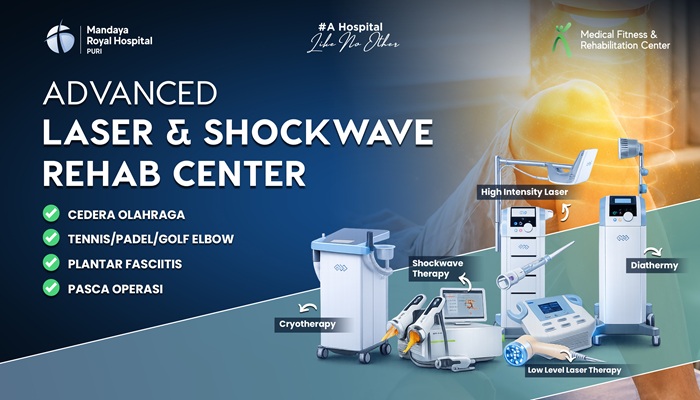
To help manage sports injuries and muscle and joint pain, as well as support recovery after strenuous physical activity, the Advanced Laser & Shockwave Rehab Center at Mandaya Puri offers a range of medical rehabilitation technologies. In addition to diathermy, several other modern treatment modalities are available to help relieve pain and support the recovery of bodily functions according to each patient’s condition and medical needs.
The following are some of the available technologies and facilities and their functions:
- Low-Level Laser Therapy (LLLT): A treatment that uses low-intensity lasers to help relieve pain, reduce inflammation, and support tissue healing.
- High-Intensity Laser Therapy (HILT): A treatment that uses high-intensity lasers to help reduce pain and support improvements in function and range of motion in muscle, bone, and joint conditions.
- Shockwave Therapy: A treatment that uses shock waves to help relieve pain and stimulate tissue healing, particularly in conditions involving tendons and ligaments.
- Cryotherapy: A treatment that uses cold temperatures to help reduce pain and swelling, including in certain cases following an injury or strenuous physical activity.
Facilities for Out-of-Town and International Patients at Mandaya Royal Hospital Puri

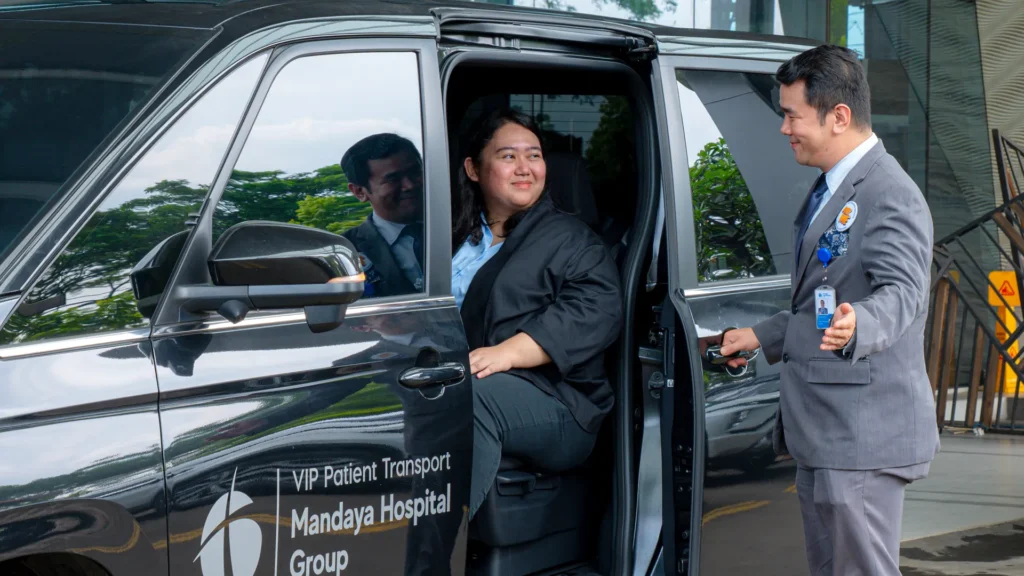
Mandaya Royal Hospital Puri provides various support facilities to offer additional comfort for patients traveling from other cities or from abroad:
- VIP Transport: A pickup service from Soekarno-Hatta International Airport, train stations, or seaports to the hospital in a comfortable vehicle accompanied by a Patient Experience Officer (PEO).
- Medical Ambulance Pickup: A specialized pickup service for patients with specific medical needs from their arrival point (airport, train station, or seaport). The ambulance is equipped with medical equipment, and patients are accompanied by professional healthcare personnel.
- Accommodation (Sleep Hub & Apartments): Comfortable accommodation for family members accompanying patients. The Sleep Hub is located on the eighth floor of the Mandaya Royal Puri building, with nearby apartment options also available.
- International Patient Relations: Dedicated assistance for international patients with medical coordination, interpretation, and administrative arrangements. For information and assistance from International Patient Relations, contact 021 5092 8888 or email [email protected].
To make your visit to Mandaya Royal Hospital Puri easier, use the WhatsApp chat feature, Book Appointment, or the Care Dokter application, available for download on Google Play and the App Store. These options help you manage appointments, check queue numbers, and access other relevant information.
The information on this page is provided for educational purposes and as a general overview. It does not cover every type of medical service that each doctor may provide. To ensure that you receive care appropriate to your health condition, you are advised to consult the relevant doctor directly.
If you have any questions, suggestions, or need further information, please contact our call center at 0811-1900-2000.
References
- Cleveland Clinic. Diathermy: Meaning, Types & Benefits. https://my.clevelandclinic.org/health/treatments/24926-diathermy. Accessed October 21, 2026.
- WebMD. Diathermy: Types, Benefits, Risks, and More. https://www.webmd.com/pain-management/what-is-diathermy. Accessed October 21, 2026.