


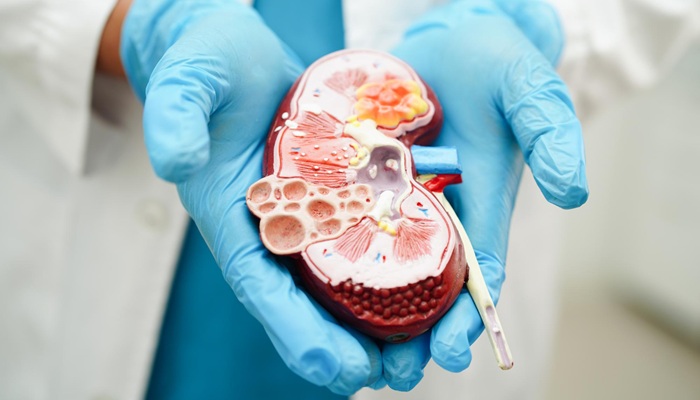
A kidney transplant is a surgical procedure to replace the function of kidneys that no longer work properly with a healthy kidney from a living or deceased donor. The kidneys are two bean-shaped organs located on either side of the spine, just below the rib cage. Each kidney is approximately the size of a fist.
The kidneys filter the blood to remove waste, excess minerals, and fluid from the body through urine. When the kidneys’ filtering ability declines, waste and fluid can accumulate, potentially leading to high blood pressure and kidney failure. End-stage kidney disease occurs when kidney function has declined by approximately 90%.
So, how long can a kidney transplant last? The lifespan of a transplanted kidney varies from patient to patient, depending on several factors, including donor type, donor and recipient age, and overall health.

Contents
How Long Can a Kidney Transplant Last?
A transplanted kidney can function for many years, sometimes even decades. However, its lifespan varies from patient to patient, depending on whether the kidney comes from a living or deceased donor.
On average, transplanted kidneys have the following estimated lifespans:
- Kidney from a living donor: Approximately 20–25 years.
- Kidney from a deceased donor: Approximately 15–20 years.
These figures are averages, not guarantees that a transplanted kidney will last for the entire period. Donor and recipient age, overall health, and other medical conditions can affect how long the transplanted kidney continues to function. Patients should therefore consult their kidney care team to obtain an estimate based on their individual circumstances.
If the transplanted kidney’s function declines or it stops working properly, some patients may be eligible for another kidney transplant, provided they meet the medical criteria. Regular health monitoring and following the doctor’s recommendations remain important to help preserve the transplanted kidney’s function for as long as possible.
Differences Between Living and Deceased Kidney Donors
1. Kidney Transplant From a Living Donor
A living donor is someone who donates a kidney while alive and has healthy kidney function. The donor may be a close family member, spouse, or friend. In principle, however, a donor can be someone else who meets the medical requirements.
Kidney transplants from living donors generally have higher success rates, offer several advantages, and carry a lower risk of organ rejection.
Potential donors must be over 18 years old, be in good health without serious medical conditions, and undergo medical and psychosocial evaluations before being deemed eligible to donate a kidney.
2. Kidney Transplant From a Deceased Donor
A deceased donor is someone whose kidneys are donated after death from a condition that has not affected kidney function. People can express their wishes to become organ donors while they are still alive.
Some countries also use an opt-out organ donation system, in which people are considered willing to donate unless they have stated otherwise. Depending on the applicable regulations, consent may also be provided by the deceased person’s family.
How to Maintain Kidney Health After a Transplant
After undergoing a kidney transplant, patients need to adopt a healthy lifestyle and follow their medical team’s recommendations to help preserve the function of the transplanted kidney. Here are several steps they can take.
1. Eat a Balanced Diet
Eat plenty of fruits, vegetables, and fiber-rich foods such as whole grains. Limit your intake of sugar, saturated fat, and salt. Also, follow your doctor’s recommendations regarding daily fluid intake and alcohol consumption.
2. Exercise Regularly
Start with light walking according to your ability, then gradually increase your activity as you recover. Activities such as swimming, cycling, or jogging may be appropriate once your doctor has approved them. Avoid contact sports that could injure the transplanted kidney.
3. Maintain a Healthy Weight
Weight gain may occur after a transplant, partly because of medication side effects or changes in appetite. Maintaining a balanced diet and engaging in regular physical activity can help control weight and reduce the risk of cardiovascular disease.
4. Protect Your Skin From Sun Exposure
Kidney transplant recipients have a higher risk of skin cancer, particularly because they take immunosuppressant medications. Use SPF 50 sunscreen, wear long-sleeved clothing and a hat, and avoid excessive sun exposure. Follow your doctor’s recommendations for skin cancer screening as well.
5. Monitor Your Blood Pressure
Blood pressure can be managed through a balanced diet, regular exercise, and weight control. Take blood pressure medication as prescribed by your doctor if needed.
6. Maintain Bone Health
Regular exercise can help maintain bone strength. Your doctor may recommend a bone density test or specific treatment if you are found to be at risk of osteoporosis.
7. Stop Smoking
Smoking increases the risk of stroke and heart and lung problems. Quitting smoking can help protect your overall health after a transplant.
In addition to adopting a healthy lifestyle, patients need to take immunosuppressant medications as prescribed, attend regular follow-up appointments, and consult their transplant team before making changes to their diet, activities, or medications. These steps are important to help preserve the function of the transplanted kidney over the long term.
Facilities for Patients Traveling From Other Cities and Countries at Mandaya Royal Hospital Puri


Mandaya Royal Hospital Puri provides a range of support facilities to offer additional comfort for patients traveling from other cities or abroad:
- VIP Transportation: A pickup service from Soekarno-Hatta International Airport, train stations, or seaports to the hospital in a comfortable vehicle, accompanied by a Patient Experience Officer (PEO).
- Medical Ambulance Pickup: A dedicated pickup service for patients with specific medical needs from their arrival point (airport, train station, or seaport), with medical equipment and assistance from professional healthcare personnel.
- Accommodation (Sleep Hub & Apartments): Comfortable accommodation for family members accompanying patients, located on the eighth floor of the Mandaya Royal Hospital Puri building, with nearby apartments also available.
- International Patient Relations: Dedicated assistance for international patients with medical coordination, interpretation, and administrative arrangements. For information and assistance from International Patient Relations, call 021 5092 8888 or email [email protected].
To make your visit to Mandaya Royal Hospital Puri easier, use Chat via WhatsApp, Book an Appointment, or the Care Dokter app, which is available for download on Google Play and the App Store. These options can help you arrange visits, check queue numbers, and access other information.
The information on this page is intended for educational purposes and provides a general overview. It may not cover every type of medical service that each doctor can provide. To ensure that you receive care appropriate to your health condition, we recommend consulting the relevant doctor directly.
If you have any questions, suggestions, or need further information, please contact our call center at 0811-1900-2000.

References:
- Mayo Clinic. Kidney Transplant. https://www.mayoclinic.org/tests-procedures/kidney-transplant/about/pac-20384777. Accessed October 20, 2026.
- NHS Blood and Transplant. Kidney Transplant FAQs. https://www.nhsbt.nhs.uk/organ-transplantation/kidney/is-a-kidney-transplant-right-for-you/kidney-transplant-faqs/. Accessed October 20, 2026.
- Cleveland Clinic. Kidney Transplant. https://my.clevelandclinic.org/health/treatments/22537-kidney-transplant. Accessed October 20, 2026.
- NHS Blood and Transplant. Staying Healthy After a Kidney Transplant. https://www.nhsbt.nhs.uk/organ-transplantation/kidney/living-with-a-kidney-transplant/staying-healthy-after-a-kidney-transplant/. Accessed October 20, 2026.