


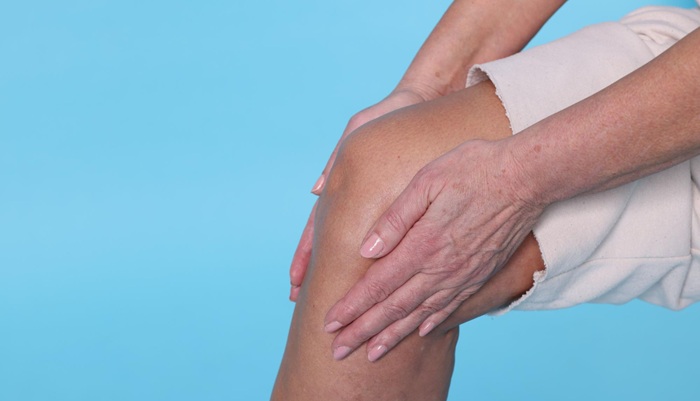
A knee dislocation is a condition in which one or more bones that make up the knee joint shift out of their normal positions. The knee joint consists of three main bones: the femur (thighbone), tibia (shinbone), and patella (kneecap). A dislocation can occur due to an injury, such as a hard impact or accident. In rare cases, it may also be associated with a congenital abnormality.
People with a knee dislocation may experience severe pain and difficulty moving their leg. Other symptoms include swelling, bruising, and a visibly abnormal knee shape. This condition requires immediate medical attention because it may involve damage to the ligaments, nerves, or blood vessels surrounding the knee joint.

Contents
Symptoms of Knee Dislocation: Severe Pain and Swelling
A knee dislocation generally causes noticeable symptoms, particularly after a person experiences a hard impact or injury. Signs to watch for include:
- Severe pain: Intense pain in or around the knee joint.
- Swelling and bruising: The knee may become swollen, and the skin may change color due to the injury.
- Difficulty moving the knee: The patient may be unable to bend or straighten the knee as usual.
- Difficulty bearing weight: The injured leg may be difficult to use when standing or walking.
- Numbness or weakness: Numbness or weakness may occur in the lower leg or foot due to possible nerve damage.
- Visible deformity: The knee may appear abnormal because the bones have shifted within the joint.
A knee dislocation can also cause serious complications, including acute compartment syndrome. This condition occurs when swelling or bleeding increases pressure within muscle compartments, disrupting blood and oxygen flow to the surrounding tissues. If not treated promptly, it can cause permanent tissue damage.
In some cases, the displaced bones may return to their normal positions on their own before the patient reaches the hospital. However, this does not mean the injury has fully healed, as damage to the ligaments, nerves, or blood vessels may still be present. Therefore, a suspected knee dislocation requires immediate evaluation in the emergency department, even if the knee appears normal again.
Causes and Risk Factors of Knee Dislocation
A knee dislocation generally occurs due to a high-impact force or trauma to the leg that causes the bones making up the knee joint to shift out of their normal positions. Common causes include:
- Sports injuries: Contact sports or high-intensity activities, such as soccer, basketball, and other sports.
- Motor vehicle accidents: A strong impact to the knee during an accident can cause the bones in the joint to become displaced.
- Falls: Falling from a height or experiencing a hard impact during a fall can trigger a knee dislocation.
In addition to displacing the bones, a knee dislocation can damage surrounding structures, including the ligaments, tendons, nerves, and blood vessels. In some cases, it may also be accompanied by a fracture.
The risk of knee dislocation may be higher in people with certain risk factors, such as:
- Frequently engaging in high-intensity physical activities or sports that place significant stress on the knees.
- Having a previous knee or ligament injury.
- Having highly flexible joints (joint hypermobility), which may make joint stability more easily compromised.
- Having obesity, which can increase the load and pressure on the knee joints.
How Do Doctors Diagnose and Examine a Knee Dislocation?
Knee dislocations need to be diagnosed as early as possible to determine the appropriate treatment and reduce the risk of permanent damage. The doctor will perform a physical examination to assess the condition of the knee joint, including any changes in shape, swelling, and range of motion. The doctor will also check the pulse behind the knee to evaluate blood flow to the lower leg and foot.
To confirm the diagnosis and determine the severity of the injury, the doctor may recommend several additional tests, including:
- X-ray: Helps assess bone alignment, identify joint displacement, and detect possible fractures.
- MRI: Provides detailed images of soft tissues to evaluate damage to the ligaments, tendons, and other structures surrounding the knee.
- Electromyography (EMG): May be used to assess nerve and muscle function if nerve damage due to the dislocation is suspected.
Assessing blood flow and nerve function is essential because a knee dislocation can injure the surrounding blood vessels and nerves. If impaired blood flow is suspected, the doctor will conduct further evaluations and determine the necessary treatment as quickly as possible.
Read also: Frequently Experiencing Knee Pain or Popping Sounds? Learn About the Causes and Treatment Options at Mandaya Royal Puri Hospital
Treatment for Knee Dislocation
Treatment for a knee dislocation depends on the cause, severity of the injury, and condition of the tissues surrounding the joint. The doctor will examine the knee to confirm the position of the bones and assess possible damage to the ligaments, nerves, or blood vessels. If the bones have shifted out of their normal positions, the doctor may perform a reduction procedure to restore proper alignment. This procedure must be performed by trained medical professionals and should never be attempted at home, as doing so may worsen the injury.
After the bones have returned to their normal positions, the patient may need a brace or other immobilization device to maintain knee stability during recovery. The doctor may also recommend physiotherapy and specific exercises to strengthen the muscles around the knee, including those that help stabilize the kneecap. The exercise program is introduced gradually according to the patient’s condition to help restore strength, flexibility, and joint mobility.
However, surgery may be necessary if the knee dislocation is accompanied by serious damage to the ligaments, nerves, or blood vessels. The type of surgery will depend on the structures affected and the findings of the medical examination. Prompt treatment is particularly important when blood flow to the leg is compromised, as it helps reduce the risk of complications and permanent tissue damage.
Orthopedic Specialists at Mandaya Royal Puri Hospital for Knee Dislocation
Mandaya Royal Puri Hospital has orthopedic specialists who can help manage various knee conditions, including injuries and joint disorders. The following doctors are available for consultation:
- Dr. Ardi Setiawan, Sp.OT (K)
- Dr. Paulus Ronald Hibono, Sp.OT (K)
- Dr. Rahendra Pratama, Sp.OT (K)
- Dr. William Chandra, Sp.OT (K)
If you have a knee dislocation or a sports-related knee injury, you can also consult an orthopedic specialist with specific expertise in sports injuries:
- Dr. Venansius Herry Perdana Suryanta, Sp.OT, CF-Sports Injury, AIFO-K, CIPS, FIPP
Facilities for Out-of-Town and International Patients at Mandaya Royal Puri Hospital


Mandaya Royal Hospital Puri provides various support facilities to enhance the comfort of patients traveling from other cities or countries.
- VIP transport: Pick-up services from Soekarno-Hatta International Airport, train stations, or ports to the hospital in comfortable vehicles, accompanied by the Patient Experience Officer (PEO) team.
- Medical ambulance pick-up: Specialized pick-up services for patients with specific medical needs from their arrival point (airport, train station, or port), equipped with medical equipment and accompanied by professional healthcare staff.
- Accommodation (Sleep Hub and apartments): Comfortable accommodation for accompanying family members, located on the eighth floor of the Mandaya Royal Puri building, with additional options at nearby apartments.
- International Patient Relations: Dedicated assistance for international patients with medical coordination, interpretation, and administrative arrangements. For information and assistance, contact International Patient Relations at 021 5092 8888 or email [email protected].
To make your visit to Mandaya Royal Hospital Puri easier, use the Chat via WhatsApp feature, the Book Appointment service, or the Care Dokter app, which is available for download on Google Play and the App Store. These services make it easier to arrange appointments, check queue numbers, and access other useful information.
The information on this page is intended for educational purposes and provides a general overview. It does not represent every medical service that each doctor may perform. To determine the appropriate treatment for your health condition, we recommend consulting the relevant doctor directly.
If you have any questions, suggestions, or need further information, please contact our call center at 0811-1900-2000.

References
- Midwest Orthopaedics at Rush. Common Causes of Knee Dislocation. (https://www.maorthos.com/common-causes-of-knee-dislocation/).
- Boston Children’s Hospital. Knee Dislocation. (https://www.childrenshospital.org/conditions-treatments/knee-dislocation).