



Heart bypass surgery, also known as coronary artery bypass grafting (CABG), is a procedure that creates a new pathway for blood to flow around blocked or narrowed coronary arteries. During the procedure, the surgeon takes a healthy blood vessel, usually from the chest or leg, and connects it to the coronary artery beyond the blockage. This new pathway helps restore blood and oxygen flow to the heart muscle.
So, how long does it take to recover after heart bypass surgery? In general, patients undergoing conventional heart bypass surgery may need around 6 weeks to gradually return to their usual activities. However, recovery time can vary from one patient to another depending on their overall health, the type of procedure performed, and how their body responds during the recovery period.

Today, there is also a minimally invasive heart bypass surgery option known as Minimally Invasive Cardiac Surgery Coronary Artery Bypass Grafting (MICS CABG). This technique is performed through smaller incisions compared with conventional heart bypass surgery. It can help reduce surgical trauma and may allow for a relatively shorter recovery period, with patients potentially able to resume light activities within approximately 2–4 weeks, depending on their condition and the doctor’s evaluation. At RS Mandaya Royal Puri, MICS CABG is performed by dr. Wirya A. Graha, Sp.BTKV, Subsp. JD(K), a thoracic, cardiac, and vascular surgeon with a subspecialty in adult cardiac surgery.

Contents
How Long Is Recovery After Heart Bypass Surgery?
Recovery after conventional heart bypass surgery can vary from one patient to another. In general, patients with jobs that do not require significant physical activity (desk jobs) may be able to return to work within approximately 6 weeks or less.
Meanwhile, patients whose jobs involve more physically demanding activities may need several months before they are medically cleared to return to work. Complete recovery may also take more than 3 months and typically progresses gradually under the guidance of a cardiac rehabilitation team.
Unlike conventional heart bypass surgery, minimally invasive heart bypass surgery is performed through smaller incisions, which may support a shorter recovery period. With this procedure, patients may be able to resume light work within approximately 2–4 weeks after surgery, depending on their condition and the doctor’s evaluation. At RS Mandaya Royal Puri, MICS CABG is performed by dr. Wirya.
What Should You Avoid After Heart Bypass Surgery?
The body needs sufficient time to recover after major surgery such as heart bypass surgery. Therefore, it is important to follow all instructions provided by your doctor and care team, and to ask questions whenever there is anything you do not understand.
During recovery, patients are generally advised to avoid certain activities, particularly those that may place excessive pressure on the chest area.
- Avoid lifting heavy objects. The sternum needs time to heal after surgery. Therefore, during the first few weeks after surgery, patients are generally advised to avoid lifting, pushing, or pulling objects weighing more than approximately 4.5 kg (10 lbs).
- Avoid excessive use of your arms. During recovery, limit arm movements to light daily activities, such as getting dressed or playing cards. Avoid raising both arms too far above your head or moving them excessively behind your body.
- Avoid driving during the first 2–3 weeks. This restriction is intended to reduce the risk of injury to the chest area while it is still healing. In addition, patients may still be taking pain medication or may not yet have fully recovered, which can affect their ability to drive safely.
Note: The duration of activity restrictions may vary from patient to patient. Follow your doctor’s recommendations, particularly regarding when it is safe to lift weights, drive, exercise, or perform other physical activities.
What Are the Advantages of Minimally Invasive Heart Bypass Surgery?
Minimally invasive heart bypass surgery offers several potential advantages compared with conventional heart bypass surgery. The procedure is performed through smaller incisions, which may help reduce trauma to the tissues and blood vessels around the surgical area. Some of the potential advantages of MICS CABG include:
- No need to split the sternum. Unlike conventional heart bypass surgery, MICS CABG is performed without opening the sternum, which may help reduce surgical trauma to the chest.
- Smaller incision. The procedure is performed through an incision of approximately 7–10 cm on the side of the chest, which may be positioned beneath the left breast, making the surgical scar less visible.
- Less tissue and blood vessel trauma. The smaller surgical access may help minimize trauma to the surrounding tissues and blood vessels.
- Potentially less blood loss. The smaller incision and minimally invasive approach may help reduce blood loss during the procedure.
- Potentially less postoperative pain. Because the sternum is not split, patients may experience less pain and discomfort during recovery.
- May offer potential benefits for certain patients. A minimally invasive approach may be considered for patients with certain underlying conditions, such as diabetes or older age, although the potential benefits and risks must be assessed individually.
- The heart continues to beat during the procedure. MICS CABG can be performed while the heart continues to beat. In certain cases, the procedure can therefore be performed without stopping the heart.
The choice of heart bypass surgery technique is not based solely on the advantages of a particular approach. The surgeon will consider the patient’s heart condition, the location and number of blocked coronary arteries, overall health, underlying medical conditions, and other medical considerations to determine the most appropriate approach for each patient.
Read also: dr. Wirya, Robotic-Licensed Cardiac Surgeon, Performs More Precise Heart Bypass Surgery
Minimally Invasive Heart Bypass Surgery with Da Vinci Xi Robotic Assistance at RS Mandaya Royal Puri
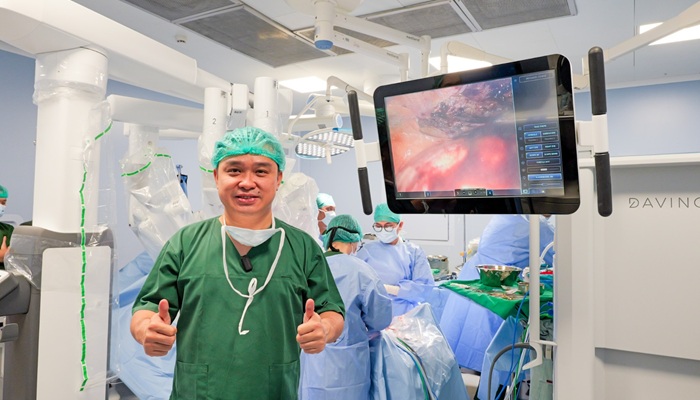
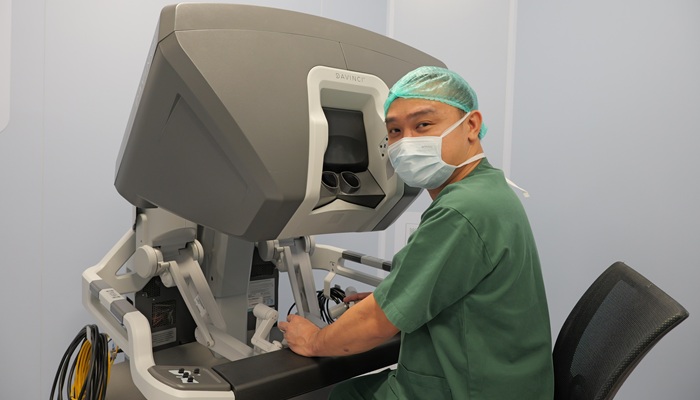
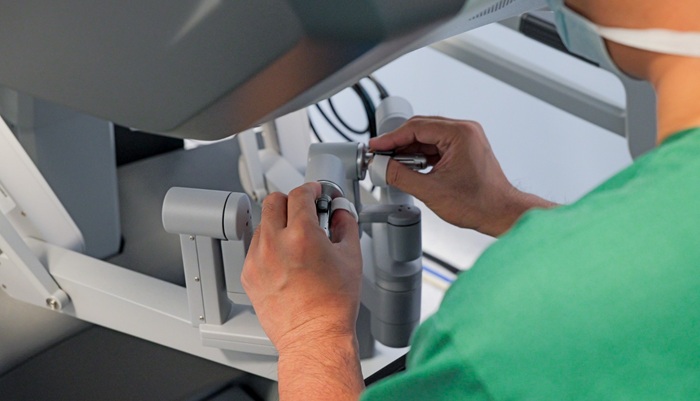
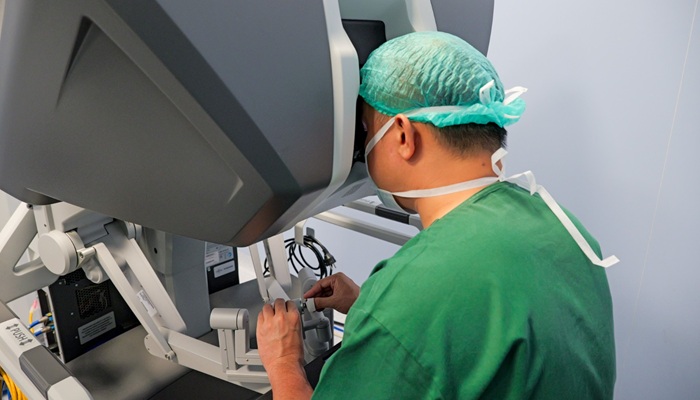
At RS Mandaya Royal Puri, minimally invasive heart bypass surgery can be performed with the assistance of Da Vinci Xi robotic technology, particularly to support the process of harvesting the blood vessel that will be used as a graft or bypass conduit.
The technology provides enhanced visualization and more precise instrument movement, particularly when the surgeon harvests the LIMA (Left Internal Mammary Artery) from the chest wall.
According to dr. Wirya, the use of the Da Vinci Xi robot during LIMA harvesting offers several potential advantages, including:
- Smaller incision. In MICS CABG, the surgical incision is generally around 8 cm, while with Da Vinci Xi robotic assistance, the incision can be reduced to approximately 5.5 cm.
- Potentially less postoperative pain. A smaller incision may help reduce tissue trauma and potentially minimize postoperative pain.
- May support faster recovery. A smaller surgical wound may support the healing process and allow patients to gradually resume activities in a relatively shorter period.
- More precise LIMA harvesting. The Da Vinci Xi robotic arms allow the surgeon to perform more controlled and precise movements when harvesting the LIMA from the chest wall.
- Graft quality can be preserved. Robotic LIMA harvesting is performed carefully to help preserve the quality of the blood vessel that will subsequently be used as a bypass graft. LIMA is widely recognized as one of the graft options with long-term durability and may continue to function effectively for many years, potentially up to around 20 years in certain circumstances.
With the support of robotic technology, MICS CABG at RS Mandaya Royal Puri may be considered as one of the surgical approaches for patients who meet the medical criteria for minimally invasive heart bypass surgery.
Read also: First in Indonesia, RS Mandaya Puri Performs MICS CABG with Da Vinci Xi Robotic Assistance
How Much Does MICS and Robotic Heart Bypass Surgery Cost at RS Mandaya Puri?
The cost of heart bypass surgery may vary from one patient to another, depending on the surgical method, technology used, the complexity of the patient’s heart condition, and other medical needs.
At RS Mandaya Royal Puri, patients may undergo minimally invasive heart bypass surgery (MICS) or MICS with robotic assistance based on the results of their medical evaluation.
- MICS heart bypass surgery: starting from IDR 350 million.
- MICS heart bypass surgery with robotic assistance: starting from IDR 499 million.
Note: These are starting prices and may change depending on the patient’s condition, the required procedure, and the facilities used.
Profile and Practice Schedule of dr. Wirya at RS Mandaya Royal Puri
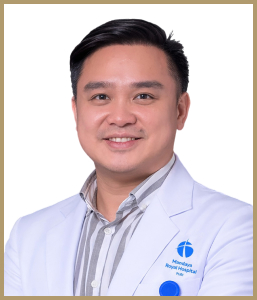
dr. Wirya A. Graha, Sp.BTKV, Subsp. JD(K) is a thoracic, cardiac, and vascular surgeon with a subspecialty in adult cardiac surgery at RS Mandaya Royal Hospital Puri. He has expertise in managing various cardiac and vascular surgical conditions and procedures, including MICS with Da Vinci Xi robotic technology.
He completed his Thoracic and Cardiovascular Surgery Specialist training at the Faculty of Medicine, Universitas Indonesia. To further develop his expertise in cardiac surgery, dr. Wirya continues to keep up with advances in surgical techniques and technologies, including minimally invasive approaches that allow cardiac procedures to be performed through smaller surgical access points.
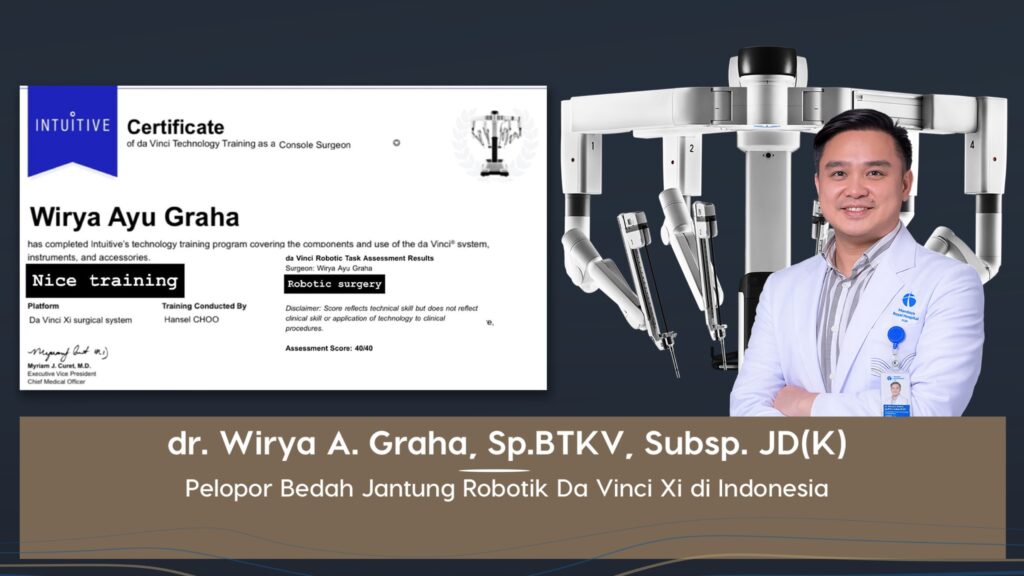
dr. Wirya is also licensed to use the Da Vinci Xi robotic system for robotic heart bypass procedures. This expertise supports the use of robotic technology in minimally invasive heart bypass surgery, particularly to assist with harvesting the blood vessel used as a graft or bypass conduit.
His experience and knowledge in cardiovascular surgery have also been strengthened through participation in various international conferences and training programs, including:
- 2017: 25th Annual Meeting of the Asian Society for Cardiovascular and Thoracic Surgery, Seoul, South Korea.
- 2018: 28th Annual Meeting of the Association of Thoracic and Cardiovascular Surgeons of Asia.
- 2019: 1st Joint Biennial South East Asian Regional Congress on Cardiovascular and Thoracic Surgery and 20th MATCVS Annual Scientific Meeting, Malacca.
- 2021: 25th European Vascular Course and 5th European Cardiovascular Course.
Patients who would like to consult about MICS, heart bypass surgery, or other cardiac surgical procedures can consult with dr. Wirya A. Graha at RS Mandaya Royal Puri according to the following schedule:
- Tuesday: 16:30–20:00 WIB
- Thursday: 16:30–20:00 WIB
- Saturday: 10:00–13:00 WIB.
To make your visit to Mandaya Royal Hospital Puri more convenient, you can use the WhatsApp Chat, Book Appointment, or the Care Dokter application, which can be downloaded from Google Play and the App Store to facilitate your visit, check your queue number, and access other information.
The information provided on this page is intended for educational purposes and general guidance only and does not represent the full range of medical services that may be performed by each doctor. To determine the appropriate treatment for your individual condition, you are advised to consult directly with the relevant doctor.
If you have any questions, suggestions, or require further information, please contact our call center at 0811-1900-2000.

References:
- Mayo Clinic. Coronary bypass surgery. (https://www.mayoclinic.org/tests-procedures/coronary-bypass-surgery/about/pac-20384589). Accessed August 24, 2026.
- GoodRx. Heart Bypass Surgery Recovery: What to Expect. (https://www.goodrx.com/health-topic/heart/heart-bypass-surgery-recovery). Accessed August 24, 2026.
- Bangkok Hospital. MICS CABG. (https://www.bangkokhospital.com/en/bangkok-heart/content/mics-cabg). Accessed August 24, 2026.