


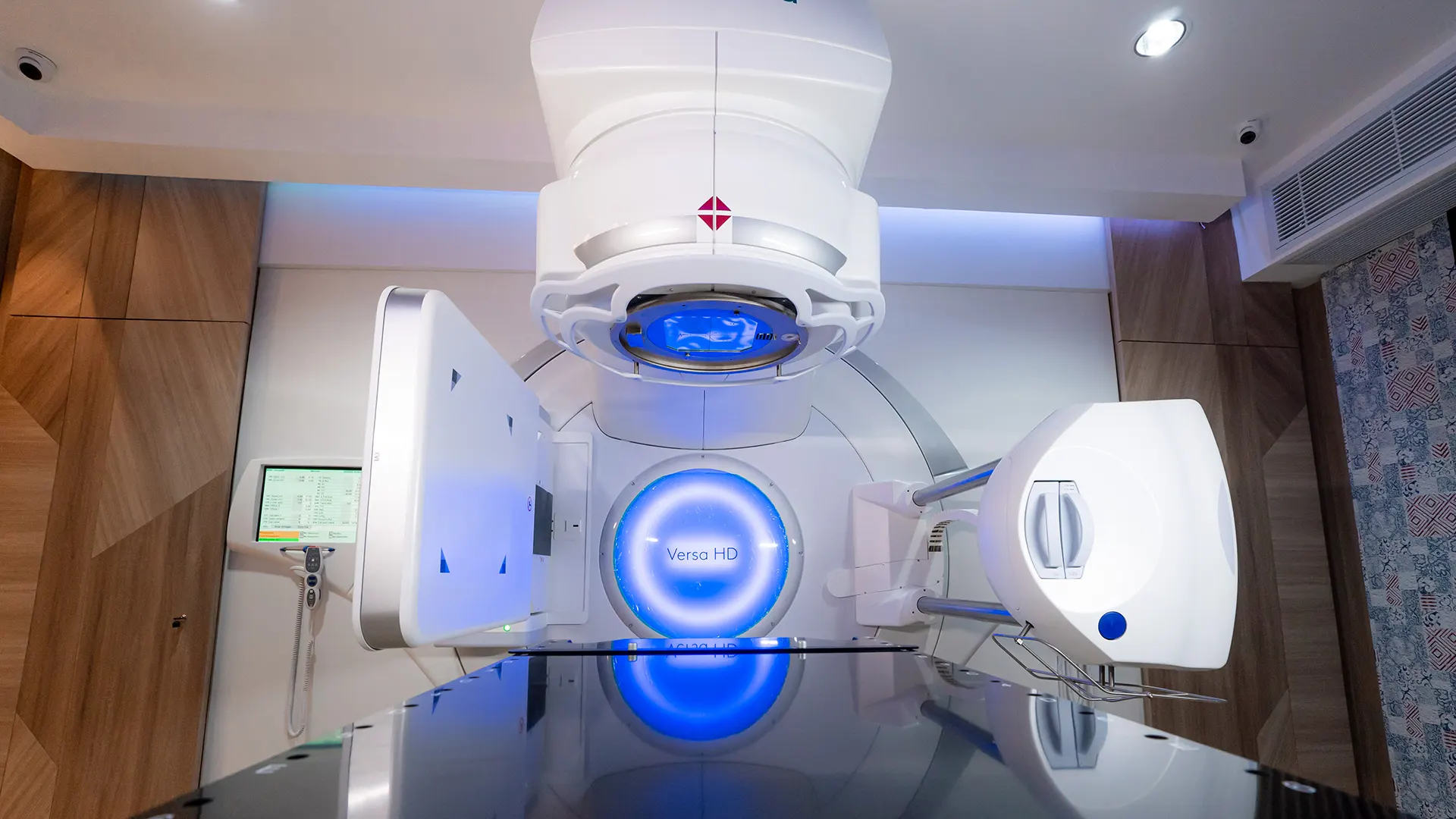
Radiotherapy is one of the main treatment options for cancer. It uses high-energy radiation, such as X-rays, to damage the DNA of cancer cells. Once their DNA is damaged, cancer cells lose their ability to grow and divide, eventually causing them to die. In addition to treating cancer, radiotherapy is also commonly used to relieve symptoms caused by cancer and improve patients’ quality of life.
The effects of radiotherapy are not immediate. Cancer cells gradually become damaged after each treatment session, so the benefits of therapy may begin to appear over several days or weeks. In fact, cancer cells may continue to die for weeks or even months after the entire course of radiotherapy has been completed, depending on the type of cancer and the individual’s response to treatment.
If you are looking for a radiotherapy center in Jakarta and Tangerang for cancer treatment, Mandaya Royal Hospital Puri is one of the options to consider. The hospital offers comprehensive radiotherapy services supported by advanced treatment technologies and an experienced team of radiation oncologists who develop personalized treatment plans based on each patient’s cancer type, tumor location, disease stage, and overall health condition.

Contents
Types of Radiotherapy Available at Mandaya Royal Hospital Puri
The Mandaya Royal Hospital Puri Radiotherapy Center offers various radiation therapy options tailored to each patient’s individual needs. The most appropriate treatment approach is determined based on several factors, including the type of cancer, the size and location of the tumor, the stage of the disease, and the patient’s overall health. In general, the two most commonly used forms of radiotherapy are External Beam Radiation Therapy (EBRT) and brachytherapy.
1. External Beam Radiation Therapy (EBRT)
External Beam Radiation Therapy (EBRT) is a radiotherapy technique that uses a specialized machine located outside the body to deliver highly precise, high-energy radiation directly to the cancerous area. It is the most commonly used form of radiotherapy because it is effective for treating a wide range of cancers.
EBRT may be used to treat cancers of the head and neck, breast, lung, colorectal region, prostate, and many other types of cancer. By using highly accurate targeting technology, EBRT aims to destroy cancer cells while minimizing radiation exposure to the surrounding healthy tissues.
2. Brachytherapy (Internal Radiation Therapy)
Brachytherapy is a form of internal radiation therapy in which the radiation source is placed as close as possible to the tumor. The radioactive source may consist of seeds, wires, catheters, or specialized applicators positioned inside or near the cancerous tissue, allowing radiation to be delivered more directly to the tumor.
This treatment is commonly used for cervical cancer, uterine cancer, vaginal cancer, rectal cancer, eye cancer, and certain head and neck cancers. It may also be an appropriate treatment option for selected patients with breast, brain, skin, anal, esophageal, lung, bladder, and prostate cancers, depending on the clinical indication.
In some cases, brachytherapy is combined with external beam radiotherapy. EBRT is used to treat a broader area surrounding the tumor, while brachytherapy delivers an additional concentrated radiation “boost” directly to the primary tumor site, helping improve the overall effectiveness of treatment.
Radiotherapy Technologies at Mandaya Royal Hospital Puri
1. Linac Elekta Versa HD
For external beam radiotherapy, Mandaya Royal Hospital Puri utilizes the Linac Elekta Versa HD, an advanced linear accelerator designed to deliver radiation with submillimeter precision. The system is equipped with Stereotactic Radiosurgery (SRS) and Stereotactic Body Radiotherapy (SBRT) technologies, allowing high-dose radiation to be delivered accurately to the tumor while minimizing exposure to surrounding healthy tissues.
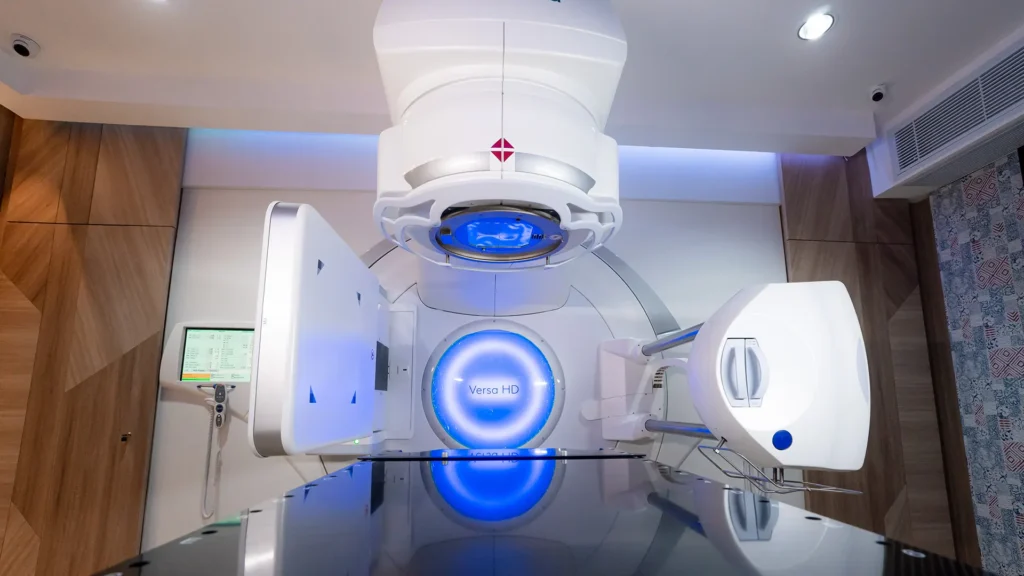
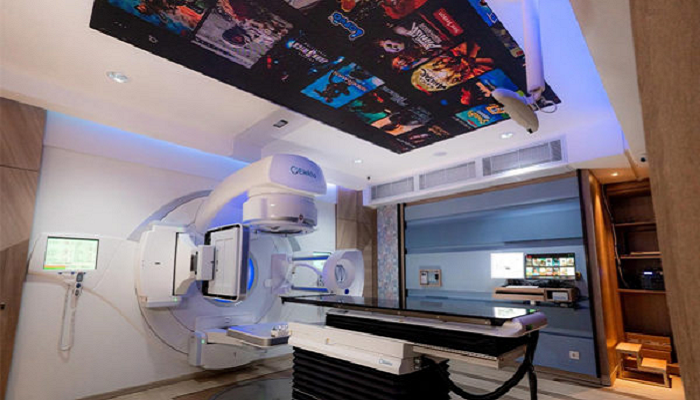
Key advantages of the Linac Elekta Versa HD at Mandaya Royal Hospital Puri include:
- Submillimeter accuracy, enabling highly precise radiation targeting.
- SRS and SBRT capabilities, allowing concentrated high-dose radiation to be delivered directly to tumors.
- The ability to treat multiple tumor targets during a single treatment session in selected cases, improving treatment efficiency.
- 4D Image-Guided Radiotherapy (4D IGRT) technology, which continuously tracks tumor movement in real time, including tumors that move with breathing.
- Reduced radiation exposure to surrounding healthy tissues.
- The potential to reduce the number of treatment sessions for eligible patients, depending on their clinical condition.
- Advanced imaging and treatment-planning technologies designed to enhance both treatment accuracy and patient comfort.
2. Flexitron Brachytherapy System
For brachytherapy, Mandaya Royal Hospital Puri uses the Flexitron Brachytherapy System, an advanced brachytherapy platform that is also utilized by leading cancer centers worldwide, including MD Anderson Cancer Center (United States), National Cancer Centre Singapore, the University of Erlangen (Germany), and the Medical University of Vienna (Austria).
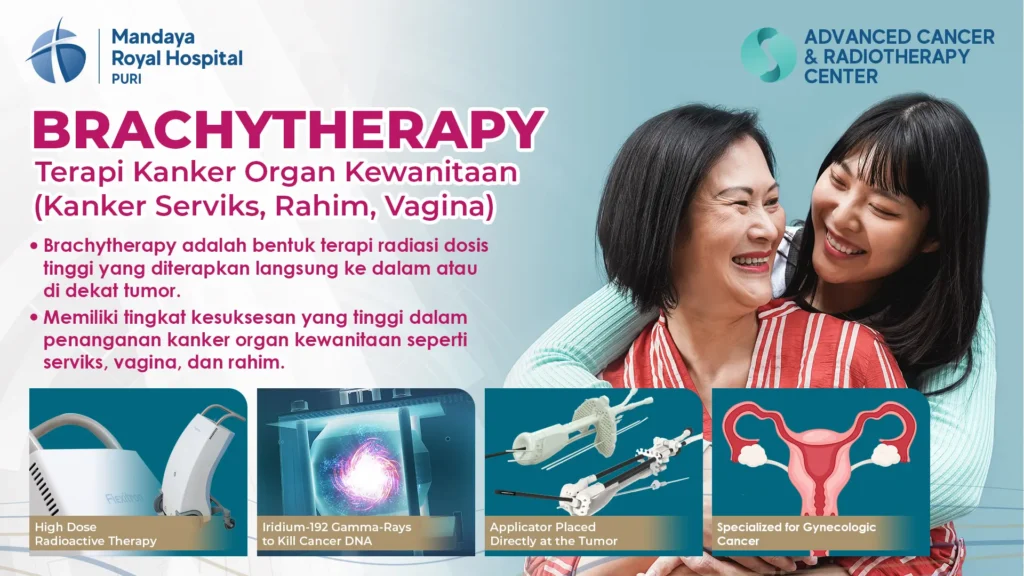
The system features High Dose Rate (HDR) Afterloading technology, which allows the radioactive source to be placed with exceptional precision inside or near the tumor. This approach enables a high dose of radiation to be delivered directly to the cancer while helping minimize radiation exposure to nearby healthy tissues.
Key benefits of the Flexitron Brachytherapy System include:
- HDR Afterloading technology for precise, high-dose radiation delivery to the tumor.
- Highly targeted radiation that helps preserve surrounding healthy tissue.
- A treatment process that is generally shorter and more efficient than some other radiation therapy techniques.
- Technology that has been adopted by internationally recognized cancer centers as part of comprehensive cancer treatment programs.
Radiation Oncologists at the Radiotherapy Center of Mandaya Royal Hospital Puri
In addition to its advanced radiotherapy technology, the Mandaya Royal Hospital Puri Radiotherapy Center is supported by an experienced team of radiation oncologists who specialize in treating a wide range of cancers. Before treatment begins, each patient undergoes a comprehensive evaluation to determine the most appropriate radiotherapy approach based on the tumor location, cancer stage, and overall health condition. Below are some of the radiation oncologists practicing at Mandaya Royal Hospital Puri.
1. Prof. Dr. dr. Soehartati A. Gondhowiardjo, Sp.Onk.Rad (K)

Prof. Dr. dr. Soehartati A. Gondhowiardjo, Sp.Onk.Rad (K) is a consultant radiation oncologist with extensive experience in treating various types of cancer using radiotherapy. She completed her medical degree, specialty training, and consultant education at the University of Indonesia. She further advanced her expertise in radiation oncology at Wilhelm-Westfälische Universität Münster, Germany, and earned a Doctorate in Medical Science through a collaborative program between the University of Indonesia and AKH Vienna, Austria.
In addition to providing patient care, Prof. Soehartati is actively involved in academic activities, research, and national as well as international scientific meetings to stay current with the latest developments in radiation oncology.
Practice Schedule at Mandaya Royal Hospital Puri:
- Wednesday: By appointment
2. dr. Novina Fortunata, Sp.Onk.Rad

dr. Novina Fortunata, Sp.Onk.Rad is a radiation oncologist who provides personalized radiotherapy treatment for patients with various types of cancer. She earned her medical degree from Airlangga University and completed her residency in Radiation Oncology at the University of Indonesia.
To continuously enhance her expertise, Dr. Novina actively participates in national and international seminars, workshops, and scientific conferences, including the Jakarta Annual Collaborative Cancer Meeting (JACCM), FARO Webinars, and Continuing Medical Education (CME) programs organized by the Indonesian Radiation Oncology Society (IROS).
Practice Schedule at Mandaya Royal Hospital Puri:
- Monday: 8:00 AM – 4:00 PM
- Tuesday: 8:00 AM – 4:00 PM
- Wednesday: 8:00 AM – 4:00 PM
- Thursday: 8:00 AM – 4:00 PM
- Friday: 8:00 AM – 4:00 PM
- Saturday: 8:00 AM – 1:00 PM
3. dr. Riyan Apriantoni, Sp.Onk.Rad
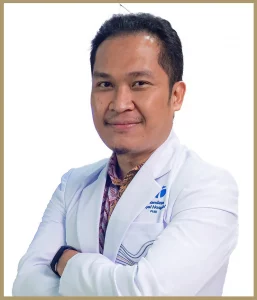
dr. Riyan Apriantoni, Sp.Onk.Rad is a radiation oncologist who completed his medical education at Sriwijaya University before pursuing specialty training in Radiation Oncology at the University of Indonesia. He is experienced in a variety of advanced radiotherapy techniques, including Stereotactic Radiosurgery (SRS), Stereotactic Body Radiation Therapy (SBRT), and brachytherapy.
Drawing on his expertise in these advanced treatment modalities, Dr. Riyan develops individualized radiotherapy plans based on each patient’s cancer type, tumor location, disease stage, and overall medical condition to help achieve the best possible treatment outcomes.
Practice Schedule at Mandaya Royal Hospital Puri:
- Monday: 5:00 PM – 8:00 PM
- Tuesday: 5:00 PM – 8:00 PM
- Wednesday: 5:00 PM – 8:00 PM
- Thursday: 5:00 PM – 8:00 PM
- Friday: 5:00 PM – 8:00 PM