

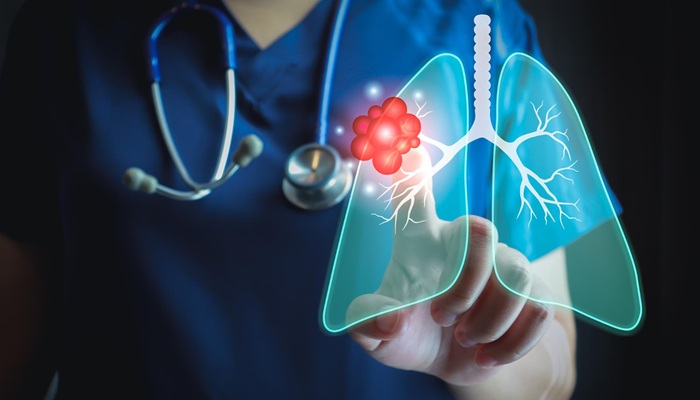
Lung cancer is a disease that occurs when cells in the lung tissue grow uncontrollably and form tumors. It typically begins in the airways or the tiny air sacs of the lungs (alveoli). Over time, cancer cells can damage lung function and spread to other parts of the body (metastasis), potentially affecting the function of vital organs if left untreated.
Treatment for lung cancer depends on the type of cancer, the location of the tumor, the stage of the disease, and the patient’s overall health. Available treatment options include surgery, chemotherapy, targeted therapy, immunotherapy, and radiation therapy. Radiation therapy is one of the most commonly used treatments for lung cancer, whether as the primary treatment, in combination with other therapies, or to relieve symptoms in advanced-stage disease.
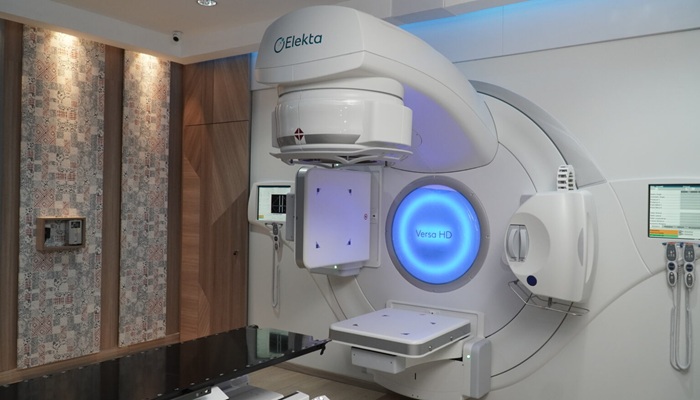
If you are looking for a hospital that provides radiation therapy for lung cancer, Mandaya Royal Hospital Puri offers advanced radiation therapy services performed by experienced radiation oncologists. The hospital is equipped with the Elekta Versa HD linear accelerator, an advanced radiation therapy system capable of delivering treatment with submillimeter precision. This technology accurately targets cancerous tissue while minimizing radiation exposure to surrounding healthy organs. It is also equipped with 4D Image-Guided Radiotherapy (4D IGRT) as well as Stereotactic Radiosurgery (SRS) and Stereotactic Body Radiotherapy (SBRT) to support the treatment of lung cancer when clinically indicated.

Contents
How Does Radiation Therapy Work for Lung Cancer?
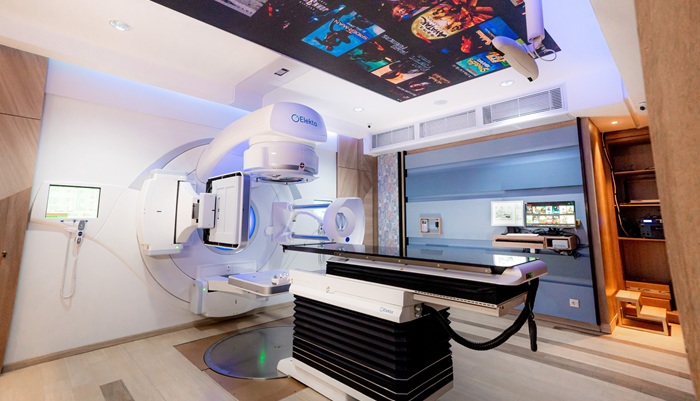
Radiation therapy is a treatment that uses high-energy radiation beams to destroy cancer cells or stop them from growing. For lung cancer, the most commonly used type is External Beam Radiation Therapy (EBRT), in which radiation is delivered from a machine outside the body and precisely directed at the tumor.
Here’s how radiation therapy works for lung cancer:
- Uses high-energy radiation beams that are precisely targeted at the lung tumor.
- Damages the DNA of cancer cells, preventing them from dividing and growing.
- Slows down or stops tumor growth, helping prevent the cancer from progressing.
- Destroys cancer cells within the treated area. In some cases, radiation therapy can shrink or even eliminate the tumor.
- Minimizes damage to surrounding healthy tissues, particularly when advanced radiation technology with high precision is used.
In addition to external beam radiation therapy, internal radiation therapy (brachytherapy) may also be used by placing a radioactive source inside or very close to the tumor. However, for most lung cancer patients, external beam radiation therapy remains the standard treatment because it effectively targets tumors without requiring an invasive procedure.