
Nasopharyngeal Cancer Radiation Therapy Hospital: Mandaya Royal Hospital Puri

Rumah Sakit Radioterapi untuk Kanker Nasofaring, RS Mandaya Royal Puri

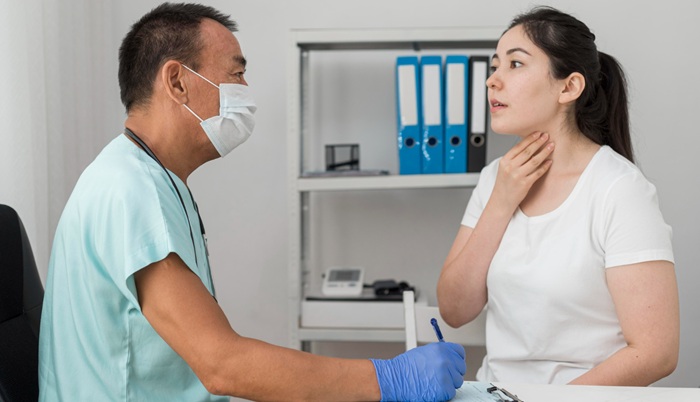
Nasopharyngeal cancer is a type of cancer that develops in the nasopharynx, the upper part of the throat located behind the nose and above the back of the mouth. Although relatively rare, it is often difficult to recognize because its symptoms closely resemble those of more common upper respiratory conditions, such as the flu or sinusitis.

In many cases, nasopharyngeal cancer does not cause noticeable symptoms in its early stages. As the disease progresses, patients may experience a persistent lump in the neck, nasal blockage on one side, nosebleeds, hearing loss in one ear, tinnitus (ringing in the ears), headaches, double vision, numbness in the lower part of the face, difficulty swallowing, hoarseness, and unexplained weight loss.

For patients diagnosed with nasopharyngeal cancer, Mandaya Royal Hospital Puri offers radiation therapy as one of the primary treatment options. Radiation therapy uses high-energy radiation to destroy cancer cells while preserving as much healthy surrounding tissue as possible.

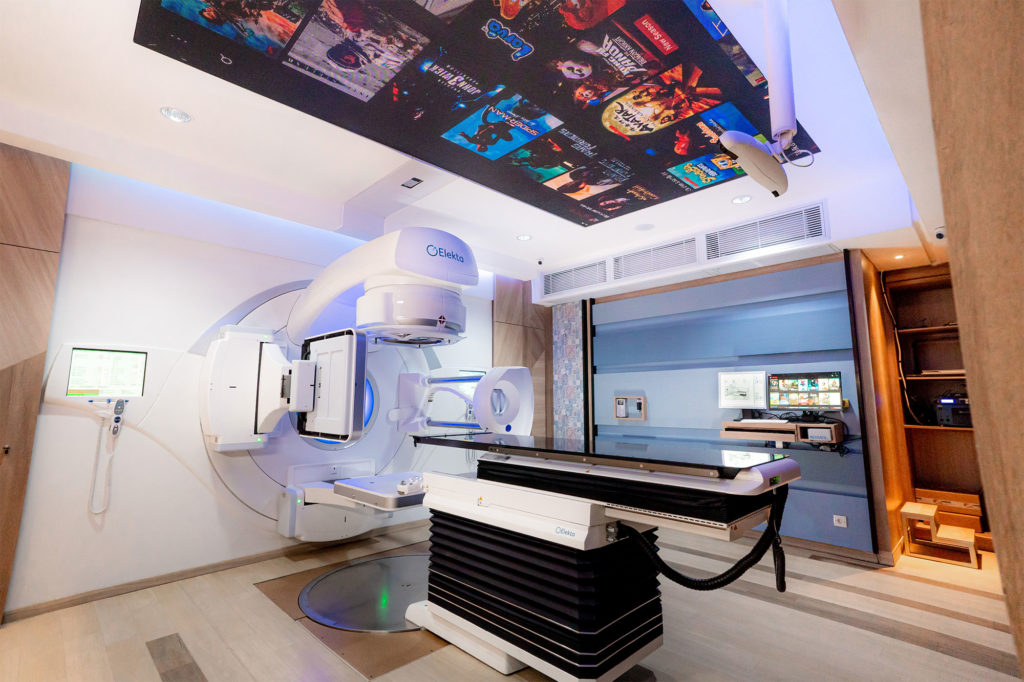
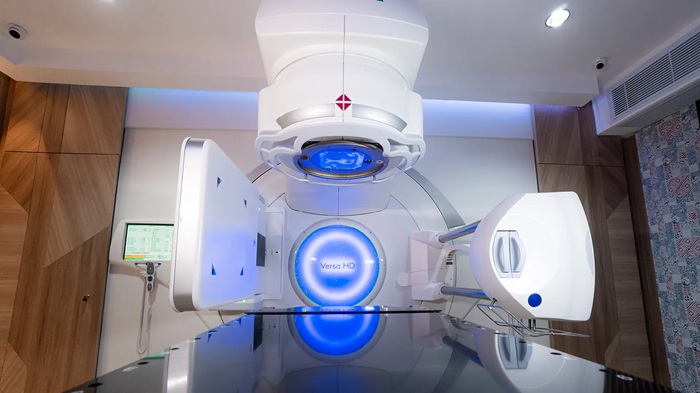
Radiation therapy at Mandaya Royal Hospital Puri is delivered using the Elekta Versa HD linear accelerator, which provides highly precise radiation targeting to accurately treat tumors. Treatment is performed by an experienced team of radiation oncologists who tailor each treatment plan according to the patient’s condition and cancer stage.

How Does Radiation Therapy Work for Nasopharyngeal Cancer?

Radiation therapy is one of the main treatments for nasopharyngeal cancer because most nasopharyngeal cancer cells are highly sensitive to radiation. The treatment uses high-energy radiation beams to destroy cancer cells or prevent them from growing, allowing tumors to shrink or even disappear.

The most commonly used type of radiation therapy for nasopharyngeal cancer is External Beam Radiation Therapy (EBRT), in which radiation is delivered from a machine located outside the body. Here’s how it works:

  • High-energy radiation beams are precisely directed at the tumor using advanced radiation equipment, minimizing exposure to surrounding healthy tissues.
  • The treatment itself is painless. It is similar to having an X-ray, but it uses much higher doses of radiation that are accurately focused on the cancer.
  • Each treatment session typically lasts only a few minutes, although additional time is needed beforehand to position the patient correctly.
  • Before each session, patients are carefully positioned using a custom-made immobilization mask that keeps the head, neck, and shoulders in exactly the same position throughout every treatment. This ensures the radiation consistently targets the same area.
  • For some patients, a bite block may also be used to help maintain the correct mouth position during treatment, further improving treatment accuracy.

With advanced radiation therapy technology such as the Elekta Versa HD available at Mandaya Royal Hospital Puri, radiation can be delivered with exceptional precision. This allows high doses of radiation to be concentrated on the tumor while minimizing exposure to nearby healthy tissues.
When Is Radiation Therapy Used to Treat Nasopharyngeal Cancer?

The use of radiation therapy for nasopharyngeal cancer depends on the size of the tumor, the extent of cancer spread, and the patient’s overall health condition. It may be recommended in the following situations:

  • As the primary treatment for small nasopharyngeal cancers that have not spread to the lymph nodes in the neck, or for patients who are unable to receive chemotherapy.
  • Combined with chemotherapy (chemoradiation) to treat larger tumors or cancers that have spread to the lymph nodes in the neck.
  • After chemotherapy, particularly when the cancer has grown into nearby structures or spread to the lymph nodes. In some patients, combining chemotherapy with radiation therapy may improve treatment outcomes and increase survival.
  • As palliative treatment to relieve symptoms of advanced cancer, such as pain, bleeding, or difficulty swallowing.
  • To treat recurrent cancer that has returned after previous treatment.

In most cases, radiation therapy is delivered not only to the primary tumor in the nasopharynx but also to the nearby lymph nodes in the neck. This is because nasopharyngeal cancer can spread to these lymph nodes even before they appear enlarged on physical examination or imaging studies. If cancer has already spread to the lymph nodes, a higher radiation dose may be used to treat these areas.

Understanding the Stages of Nasopharyngeal Cancer

The stage of nasopharyngeal cancer is determined by the size and location of the tumor, as well as how far the cancer has spread to nearby lymph nodes or other parts of the body. Determining the stage is essential for selecting the most appropriate treatment plan.

The stages of nasopharyngeal cancer include:

  • Stage 0: Cancer cells are confined to the top layer of tissue lining the nasopharynx and have not spread into deeper tissues.
  • Stage 1: The tumor has grown into nearby areas, such as the nasal cavity or the back of the throat, but has not spread to the lymph nodes.
  • Stage 2: The cancer has spread to one or more lymph nodes on one side of the neck.
  • Stage 3: The cancer has spread to lymph nodes on both sides of the neck.
  • Stage 4: The cancer has spread to nearby structures, such as the skull, eyes, cranial nerves, salivary glands, or the lower part of the throat. At this stage, it may also metastasize to distant organs, such as the lungs or liver.

The earlier nasopharyngeal cancer is diagnosed, the greater the chance of successful treatment. If you experience symptoms that may indicate nasopharyngeal cancer—especially if they persist or do not improve—it is important to seek medical evaluation as soon as possible.

Radiation Therapy Technology for Nasopharyngeal Cancer at Mandaya Royal Hospital Puri

Perawatan Radioterapi untuk Kanker: Ini yang Perlu Diketahui

Need Help? Chat with us!
Start a Conversation
Hi! Click one of our members below to chat on WhatsApp
We usually reply in a few minutes