


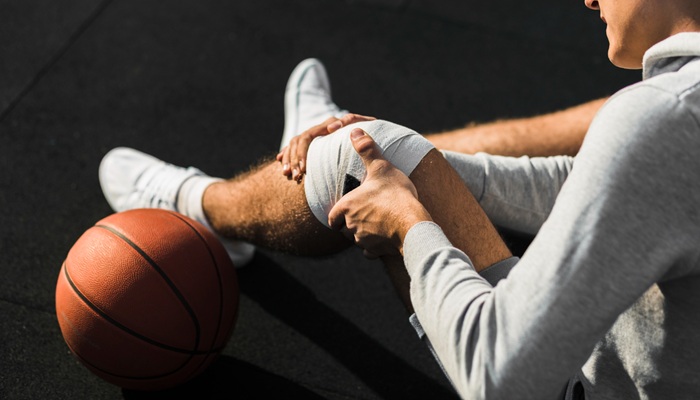
Sports injuries are injuries that occur during sports or physical activity. They can affect anyone, from professional athletes to individuals who exercise regularly to stay healthy. Although exercise offers many health benefits, such as strengthening bones, muscles, and joints, physical activity also increases the risk of musculoskeletal injuries, especially when there is direct impact, improper movement, or excessive training.
Sports injuries may occur suddenly (acute injuries), such as from a fall or collision during sports. They can also develop gradually due to repetitive use of a particular body part over time. Without proper treatment, sports injuries can become chronic and interfere with daily activities. Therefore, evaluation by a physician experienced in sports injury management is important to determine the underlying cause and provide appropriate treatment.

Contents
Common Types of Sports Injuries
Sports injuries can affect various parts of the body, including the bones, joints, muscles, ligaments, tendons, and even the head. They range from mild injuries that recover with rest to severe injuries requiring medical treatment or surgery. Some of the most common sports injuries include:
- Bone fractures, which occur when a bone cracks or breaks due to a fall, sudden impact, or twisting motion. Repetitive stress can also result in stress fractures.
- Bursitis, inflammation of the bursa, a small fluid-filled sac that cushions bones, tendons, and muscles. It commonly develops from repetitive movements.
- Concussion, a brain injury caused by a blow to the head that causes the brain to strike the inside of the skull. This is more common in contact sports.
- Contusions (bruises), caused by damage to small blood vessels beneath the skin after a direct impact. Bruises may also affect muscles and bones.
- Joint dislocation, where the end of a bone is forced out of its normal position within a joint, such as a shoulder or finger dislocation.
- Muscle strains, which occur when muscles are overstretched or torn. These injuries can range from mild to severe.
- Ligament sprains, involving overstretching or tearing of ligaments that stabilize joints. Sprains commonly affect the ankle, knee, and wrist.
- Tendinitis, inflammation of a tendon caused by repetitive use over time. Tendons connect muscles to bones, making this condition common among people who repeatedly perform the same sporting movements.
Symptoms of Sports Injuries
Symptoms vary depending on the type and severity of the injury. In general, sports injuries are classified into acute injuries, which occur suddenly, and chronic overuse injuries, which develop gradually.
Symptoms of acute sports injuries include:
- Sudden, severe pain.
- Significant swelling or bruising.
- Difficulty or inability to bear weight on the foot, ankle, knee, or leg.
- Inability to move a joint normally.
- Noticeable weakness in the injured limb.
- A bone or joint that appears visibly deformed or out of place.
Symptoms of chronic sports injuries include:
- Pain that occurs or worsens during exercise or physical activity.
- Swelling accompanied by a dull ache, even while resting.
If you experience these symptoms, especially persistent pain that does not improve with rest or interferes with daily activities, consult an orthopedic sports injury specialist for proper diagnosis and treatment.
Causes of Sports Injuries
Sports injuries may occur due to various factors, ranging from accidents during sports to improper training techniques or excessive physical exertion. Common causes include:
- Falls, one of the leading causes of sports injuries.
- Overtraining or exercising too intensely or for too long, placing excessive stress on muscles, tendons, and ligaments.
- Direct impact, such as being struck by sports equipment or colliding with another player.
Risk Factors for Sports Injuries
Although sports injuries are often accidental, several factors can increase the likelihood of injury, including:
- Not wearing appropriate protective equipment.
- Failing to warm up or stretch properly before exercise.
- Beginning physical activity at an intensity level the body is not prepared for.
- Participating in high-contact sports, such as football, rugby, or other sports involving frequent collisions.
Proper warm-up, appropriate protective gear, and gradually increasing exercise intensity can significantly reduce the risk of sports injuries.
When Should a Sports Injury Be Treated in the Emergency Department?
Most sports injuries can be treated by an orthopedic sports injury specialist. However, certain injuries are medical emergencies that require immediate care in an emergency department. Call an ambulance or seek emergency medical attention immediately if you experience:
- Prolonged loss of consciousness after an injury.
- Neck or spinal injuries, especially if accompanied by severe pain, numbness, or difficulty moving the limbs.
- A suspected fracture, particularly if the bone appears deformed, protrudes through the skin, or causes severe pain.
- Head or facial injuries associated with bleeding, vomiting, severe dizziness, or altered consciousness.
- Eye injuries, including severe trauma, bleeding, vision problems, or foreign objects in the eye.
- Abdominal injuries following a significant impact, especially if accompanied by severe pain, swelling, or internal bleeding.
Once the emergency condition has been stabilized, patients may be referred to an orthopedic sports injury specialist or another appropriate specialist for further treatment and rehabilitation.
Orthopedic Sports Injury Specialist at Mandaya Royal Hospital Puri

If you are looking for a sports injury specialist in Jakarta or Tangerang, dr. Venansius Herry Perdana Suryanta, Sp.OT, CF-Sports Injury, AIFO-K, CIPS, FIPP at Mandaya Royal Hospital Puri is an excellent choice. As an orthopedic and traumatology specialist with dedicated training in sports injuries, he has extensive experience treating musculoskeletal conditions, including ligament injuries, tendon injuries, muscle injuries, joint disorders, and fractures caused by sports and physical activity.
In addition to his CF-Sports Injury qualification, dr. Venansius also holds the AIFO-K (Consultant in Sports Physiology) credential, reflecting his expertise in injury prevention, rehabilitation, and helping patients safely return to physical activity. He also holds CIPS (Certified Interventional Pain Sonologist) and FIPP (Fellow of Interventional Pain Practice) certifications, demonstrating his expertise in ultrasound-guided minimally invasive procedures for managing musculoskeletal pain.
Dr. Venansius earned his medical degree from the Faculty of Medicine, Universitas Padjadjaran, followed by specialist training in Orthopedic and Traumatology at Universitas Padjadjaran. He further advanced his expertise through the Overseas Orthopaedic Training Program at Semmelweis University in Budapest, Hungary, enhancing his knowledge and skills in managing orthopedic and sports injury cases using the latest medical approaches.
Practice Schedule
dr. Venansius Herry Perdana Suryanta, Sp.OT, CF-Sports Injury, AIFO-K, CIPS, FIPP is available at Mandaya Royal Hospital Puri on:
- Tuesday: 10:00 AM – 12:00 PM
- Wednesday: 4:00 PM – 8:00 PM
- Friday: 4:00 PM – 8:00 PM
- Saturday: 4:00 PM – 8:00 PM
To make your visit to Mandaya Royal Hospital Puri more convenient, you can contact us via WhatsApp Chat, book an appointment online, or use the Care Dokter mobile application available on Google Play and the App Store to schedule appointments, monitor queue numbers, and access additional healthcare information.
The information provided on this page is intended for educational purposes and general reference only. It does not represent the full scope of medical services provided by each physician. For recommendations tailored to your specific health condition, please consult the appropriate specialist directly.
If you have any questions, suggestions, or require further information, please contact our call center at +62 811-1900-2000.

References
- Cleveland Clinic. Sports Injuries. (https://my.clevelandclinic.org/health/diseases/22093-sports-injuries). Last updated January 10, 2024. Accessed July 31, 2026.
- National Institute of Arthritis and Musculoskeletal and Skin Diseases (NIAMS). Sports Injuries. (https://www.niams.nih.gov/health-topics/sports-injuries). Accessed July 31, 2026.
- Better Health Channel. Sports Injuries. (https://www.betterhealth.vic.gov.au/health/healthyliving/sports-injuries). Accessed July 31, 2026.